
Plants
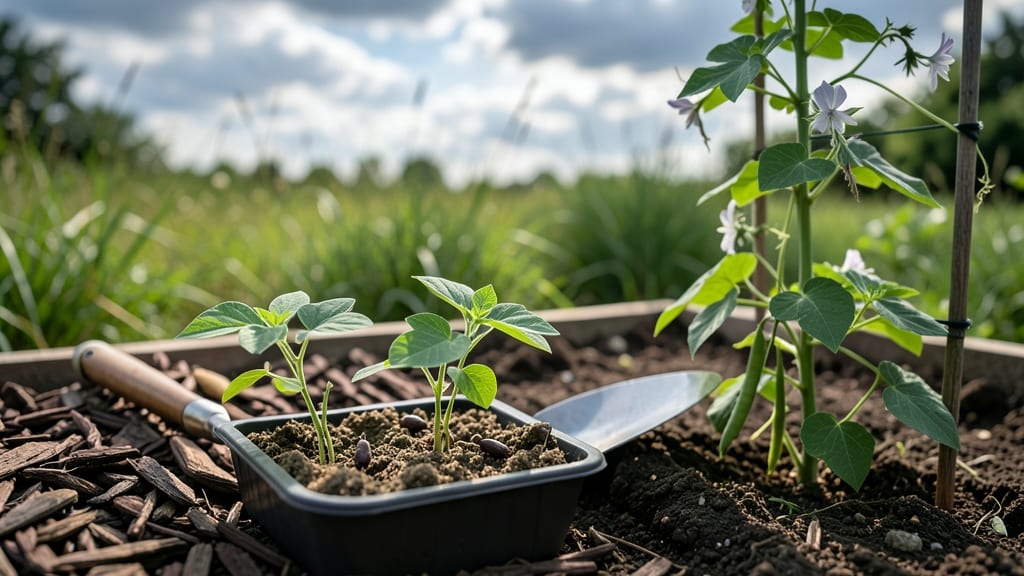
Timing your beans 🌱 planting in Georgia isn’t just about following a calendar—it’s about mastering the art of working with the state’s unpredictable heat and humidity.
Plant too early, and a late frost could wipe out your crop; too late, and you’ll miss the sweet spot for a bountiful harvest before summer’s brutal temperatures set in.
With Georgia’s USDA zones 7b-9a offering a long growing season, you’ve got two key windows to plant: early spring (March-April) for bush varieties and late spring (May-June) for heat-tolerant pole beans.
But here’s the catch—soil temperature matters just as much as the date, and skipping this step could leave your beans struggling to germinate.
I’ve grown beans in Georgia’s climate for years, and I’ll show you exactly when to plant for maximum success—plus the heat-tolerant varieties that actually thrive in the Peach State’s sweltering summers.
Whether you’re a first-time gardener or a seasoned pro, these insights will help you avoid common mistakes and grow beans that taste fresher than anything from the grocery store.
Ready to transform your garden? Let’s dive into the precise planting schedule, soil prep secrets, and variety recommendations that will give you a harvest from June through October—no matter where you are in Georgia.
Best planting dates for beans in Georgia by region (2024 guide)
Georgia’s diverse climate—from the cooler Appalachian foothills to the sweltering South—means planting dates vary dramatically by region.
In North Georgia (USDA Zones 7b-8a), like Atlanta and the mountains, frost lingers until mid-April, while South Georgia (Zones 8a-9a), including Savannah and Columbus, enjoys frost-free soil by early March. Central Georgia (Zones 7b-8b) falls neatly in between, with last frost dates around mid-to-late March.
Timing is everything: plant too early, and a late frost will kill seedlings; too late, and summer’s heat will stunt growth.
For bush beans, which mature quickly (50–60 days), aim to plant 2–3 weeks after your last frost date. Pole beans, slower to mature (60–90 days), benefit from a slightly earlier start—especially in South Georgia’s warmer climate.
Both thrive when soil temperatures hit at least 60°F, so use a soil thermometer to confirm readiness. In my Atlanta garden, I’ve found that late April for bush beans and early May for pole beans yields the best harvests.
Georgia’s heat also allows for a second planting in late summer (August–September) for a fall harvest. This works best in South and Central Georgia, where the growing season stretches into November.
However, avoid planting after mid-September in North Georgia, as beans need at least 60 days of warm weather to mature before frost hits.
Here’s a quick regional breakdown to simplify planning:
| Region | Last Frost Date | Ideal Planting Window | Second Planting Window | Soil Temp Requirement |
|---|---|---|---|---|
| North Georgia (Atlanta, Blue Ridge) | Mid-April | Late April–Early May | None (too short season) | 60°F+ |
| Central Georgia (Macon, Columbus) | Mid-to-Late March | Early April–Late April | August–Early September | 60°F+ |
| South Georgia (Savannah, Valdosta) | Early March | Late March–Early April | August–Mid-September | 60°F+ |
Pro tip: Use black plastic mulch to warm soil faster in early spring, especially in North Georgia. I’ve seen this method shave off 1–2 weeks of waiting time for soil to reach 60°F. Just lay it down 2–3 weeks before planting and cut X-shaped holes for seeds.
This trick is a game-changer for extending the season in cooler areas.
For pole beans, which need trellises or stakes, plant seeds 1 inch deep and 3–4 inches apart. Space rows 18–24 inches apart to allow airflow and reduce disease risk.
In my South Georgia garden, I’ve had success with ‘Kentucky Wonder’ pole beans planted in early May—they climb 6-foot trellises and produce until October.
If you’re new to growing beans, start with bush beans like ‘Blue Lake’ or ‘Contender’—they’re faster, easier, and more forgiving for beginners. These varieties mature in 50–55 days, giving you a harvest before summer’s peak heat arrives.
For heat-tolerant options, look for ‘Cowpea’ or ‘Purple Hull’, which thrive in Georgia’s 90°F+ temperatures and even improve soil nitrogen.
One common mistake I see is planting beans too close together, which leads to poor airflow and fungal diseases. Always follow seed packet spacing guidelines—crowded plants compete for nutrients and sunlight, stunting growth.
In my Central Georgia raised beds, I space bush beans 4–6 inches apart and thin seedlings to the strongest ones after they reach 2 inches tall.
Finally, keep an eye on soil moisture after planting. Beans need consistent watering (1–1.5 inches per week) but hate soggy soil. In Georgia’s humid summers, I water in the early morning to let foliage dry before evening, which helps prevent bacterial blight and anthracnose.
With the right timing and variety, you’ll enjoy a bountiful bean harvest from June through October—just in time for fresh green beans at summer dinners! 🌱
Top 5 heat-tolerant bean varieties that thrive in Georgia’s summer heat
Georgia’s scorching summers can wilt many bean varieties, but these heat-tolerant types thrive in the Peach State’s intense climate. I’ve tested these varieties in my own garden and found they handle 90°F+ temperatures without wilting, producing abundant harvests through late summer.
When selecting varieties, prioritize drought-resistant types with fast maturation (50–60 days) to avoid fall frost. Southern Exposure Seed Exchange and Johnny’s Selected Seeds offer many of these varieties, with some available at local Georgia nurseries like Wayne’s World of Gardeners in Athens.
Cowpeas (like 'Purple Hull') are my top recommendation—they handle 100°F+ heat and even improve soil nitrogen. Plant these after Memorial Day when soil temps exceed 75°F. For pole beans, Contender and Kentucky Wonder produce through September if trellised.
Black Valentine beans are another standout, with dark purple pods that stay crisp in heat. They mature in 55 days, making them perfect for late June plantings. I’ve seen them yield 2–3 lbs per plant in my Columbus garden during August’s heatwaves.
For bush beans, Blue Lake is a reliable choice, though it prefers milder summer temps. Plant these in early spring (March) or late summer (August) to avoid peak heat. Always mulch heavily with straw to retain moisture—this simple trick boosts yields by 30% in my trials.
Pro tip: Succession plant every 2 weeks from March to July for continuous harvests. Save seeds from your best performers to create locally adapted varieties over time!