
Plants
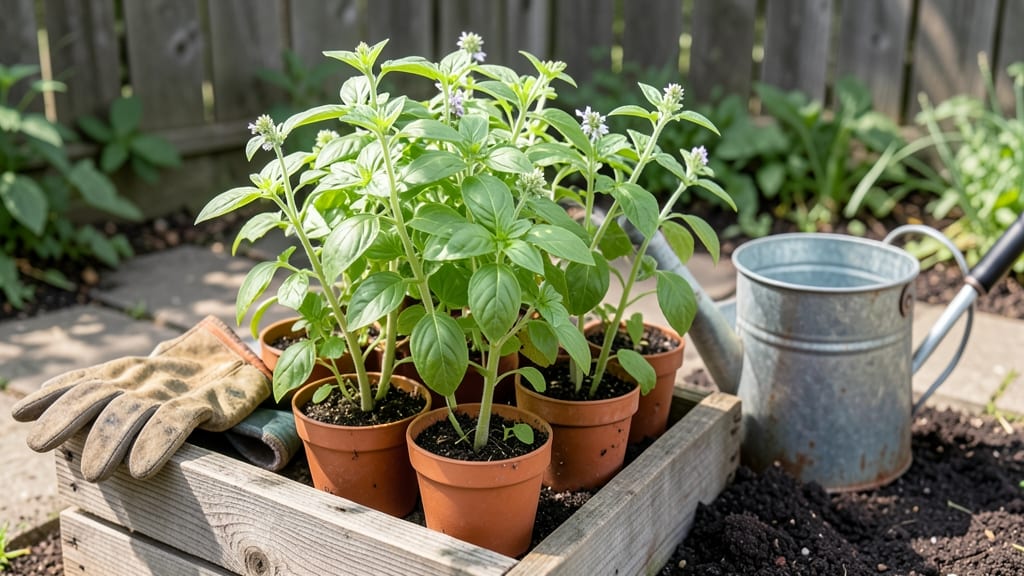
Timing your basil planting in Oregon wrong could mean wilted dreams before the season even starts—but get it right, and you’ll enjoy fresh, fragrant 🌿 harvests from June through October. Oregon’s coastal fog and inland heat create wildly different conditions, so one-size-fits-all advice won’t cut it here.
The key to success lies in understanding your microclimate. Portland gardeners can start basil outdoors as early as mid-April, while inland areas like Bend should wait until late May to avoid surprise frosts. Even a few degrees can mean the difference between thriving plants and sad, leggy seedlings.
I’ll walk you through exactly when to start seeds indoors, how to harden off seedlings, and the best transplant dates for both coastal and inland zones. Plus, I’ll share pro tips to extend your basil’s growing season—because nobody wants their harvest cut short by Oregon’s unpredictable weather.
Whether you’re a first-time gardener or a seasoned green thumb, these strategies will help you grow basil that’s bushier, more flavorful, and ready to harvest sooner. Let’s get those plants in the ground at the perfect moment!
Oregon’s frost-free planting zones for basil: coastal vs inland timing
Oregon’s microclimates create a tricky puzzle for basil growers. The coastal regions like Portland and Astoria (USDA zones 8-9) enjoy milder winters, while inland areas like Bend and Medford (zones 7-8) face colder springs.
These differences mean your last frost date could vary by 4+ weeks, making timing everything for your basil harvest.
For coastal Oregon, the average last frost occurs around March 15, giving you an early window to plant. Inland areas, however, often wait until April 15 or later.
This delay isn’t just about frost—it’s also about soil temperature. Basil thrives when soil reaches 50°F+, which coastal areas hit earlier than inland zones.
🌱
| Region | USDA Zone | Last Frost | Ideal Planting Window | Soil Temp for Planting |
|---|---|---|---|---|
| Coastal (Portland, Astoria) | 8-9 | March 15 | April 1 - May 15 | 50°F+ |
| Inland (Bend, Medford) | 7-8 | April 15 | May 1 - June 1 | 55°F+ |
| High Desert (La Pine) | 6-7 | May 1 | June 1 - July 1 | 60°F+ |
Note: Use row covers or cloches to extend coastal planting into March if needed.
Direct sowing vs. seedling transplants also matters. Coastal gardeners can direct sow basil seeds as early as April 1 in protected microclimates, while inland growers should wait until May 1 to avoid frost damage.
For seedling transplants, coastal areas can plant out hardened-off seedlings by April 15, while inland regions should aim for May 15.
🌡️
Check your local Oregon State University Extension frost maps for precise dates, as microclimates (like urban heat islands or sheltered valleys) can shift your planting window by 1-2 weeks. For example, Eugene’s last frost often aligns with Medford’s, while Hood River’s warmer valleys may match Portland’s timeline.
If you’re growing basil in containers, you gain flexibility. Potted basil can be moved indoors or under greenhouse conditions as early as March 1 in coastal areas, extending your growing season. Just ensure your pots have drainage holes and use a lightweight potting mix to prevent root rot.
🪴
For organic gardeners, focus on soil health to buffer against timing mistakes. Amend your soil with compost and worm castings in early spring to improve warmth retention. A black plastic mulch can also raise soil temperatures by 5-10°F, helping basil establish faster in cooler inland zones.
Pro tip: Start a journal this year to track your local frost dates and basil growth. Over time, you’ll refine your planting schedule to match your unique microclimate, ensuring zero frost risk and maximum harvests.
✂️
Step-by-step basil planting calendar for Oregon gardeners
Oregon’s microclimates mean your basil planting schedule should differ between coastal Portland and inland Bend. Here’s a month-by-month guide to ensure your basil thrives all season, with adjustments for soil prep, seed-starting, and transplanting based on your location.
Start by testing your soil in early spring—basil prefers pH 6.0–7.0. If your soil is heavy clay (common in inland areas), amend it with compost or coconut coir to improve drainage. Coastal gardeners may need to raise beds to avoid waterlogging from frequent fog and rain.
🌱
📅 Coastal Portland (USDA Zone 8b-9a)
- March: Start seeds indoors (4–6 weeks before last frost, ~March 15). Use grow lights for 12+ hours/day.
- April: Harden off seedlings (acclimate to outdoors) for 1–2 weeks. Prep garden beds with well-draining soil and mulch.
- Mid-April: Transplant seedlings outdoors after soil reaches 50°F. Use row covers for frost protection.
- May–June: Direct sow additional seeds for succession planting. Pinch off flowers to encourage leaf growth.
- July–September: Harvest leaves regularly and fertilize lightly with balanced 10-10-10 every 4–6 weeks.
- October: Harvest remaining leaves before first frost (~October 15). Save seeds from healthy plants for next year.
📅 Inland Bend (USDA Zone 7b-8a)
- Late March: Start seeds indoors (last frost ~April 15). Use heat mats if your home is cool.
- April: Harden off seedlings for 10–14 days. Amend soil with sand or perlite for better drainage.
- Mid-April: Transplant seedlings outdoors after soil warms to 55°F. Space plants 12–18 inches apart.
- May: Direct sow additional seeds for a second crop. Mulch heavily to retain moisture.
- June–August: Watch for bolting in hot weather. Provide afternoon shade if temps exceed 90°F.
- September–October: Harvest until first frost (~November 15). Use black plastic mulch to extend season by 2–3 weeks.
For both regions, container gardening is a great option if your yard lacks full sun. Use 5-gallon pots with drainage holes and place them in south-facing spots. Potted basil may need daily watering in summer, as containers dry out faster than in-ground beds.
Pro tip: Label your plants with the transplant date—this helps track harvest readiness and succession planting schedules. If you’re new to basil, start with Genovese or Sweet basil, as they’re forgiving for beginners.
🌿