
Plants
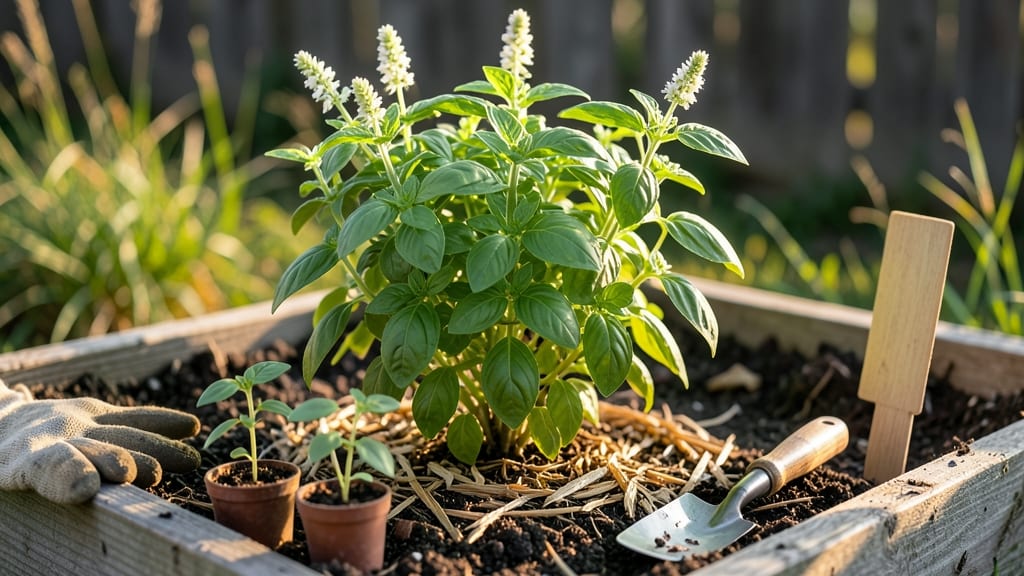
Timing your basil planting in Michigan could mean the difference between a bountiful harvest and a sad, frost-killed seedling—especially in Zone 5B/6A where late frosts linger until mid-April. If you’ve ever rushed to plant 🌿 basil only to watch it wilt overnight, you’re not alone. The key to success lies in knowing exactly when soil temperatures hit that critical 50°F threshold and all frost risk has vanished.
Most Michigan gardeners wait until mid-April to late May to plant basil outdoors, but that’s not a one-size-fits-all rule. Detroit’s last frost typically arrives by April 15, while Grand Rapids might still see chilly nights in early May.
Starting seeds indoors 6-8 weeks before your area’s last frost date gives you a head start, ensuring you’re ready to transplant once the danger of frost has passed.
Here’s what you’ll discover: the exact frost-free deadlines for your region, how to extend your growing season with row covers or greenhouses, and which basil varieties thrive best in Michigan’s climate.
Whether you’re a first-time gardener or a seasoned green thumb, these tips will help you avoid common pitfalls and maximize your harvest from June through October.
Ready to grow basil that’s bursting with flavor and free from frost damage? Let’s dive into the strategies that work—no guesswork required.
Michigan basil planting deadlines by zone 5B/6A: exact dates for success
Timing your basil planting in Michigan is critical—get it wrong, and you’ll either lose seedlings to frost or miss the peak flavor of summer. The key is planting after your last frost date, when soil temperatures hit 55°F+.
For most of Zone 5B/6A, this falls between mid-April and late May, but exact dates vary by region.
In Detroit and southern Michigan, the average last frost is around April 15, while northern areas like Grand Rapids may wait until May 1. Always check your local frost-free date—a quick online search or your county extension office can provide precise guidance for your microclimate.
Here’s the exact planting window for Michigan’s most common basil varieties, including Genovese, Sweet Basil, and Thai Basil, based on soil and air temperatures:
| Region | Last Frost Date | Ideal Planting Window | Soil Temp Threshold | Notes |
|---|---|---|---|---|
| Southern MI (Detroit, Ann Arbor) | April 15 | April 22–May 10 | 55°F+ | Early spring risks; use row covers if late frost. |
| Central MI (Lansing, Kalamazoo) | April 22 | May 1–May 15 | 55°F+ | Moderate frost risk; wait for warm nights. |
| Northern MI (Grand Rapids, Traverse City) | May 1 | May 15–May 25 | 60°F+ | Cooler soils; extend season with black plastic mulch. |
| Upper Peninsula (Marquette, Houghton) | May 10 | May 25–June 1 | 60°F+ | Short season; prioritize cold-hardy varieties. |
For succession planting—ensuring a continuous harvest—sow basil seeds every 2–3 weeks until mid-July. This works especially well for Genovese basil, which thrives in warm soil and produces flavorful leaves for pesto and salads.
Pro tip: Use a soil thermometer to confirm 55°F+ soil temps before planting. Cold soil can stunt growth, even if air temperatures are warm. If you’re unsure, opt for transplants from local nurseries—they’re already hardened off and ready to grow.
Michigan’s first frost typically arrives in mid-October, so plan to harvest or bring potted basil indoors before temperatures drop below 40°F. With the right timing, you can enjoy fresh basil from June through September—plenty of time for homegrown pesto and summer dishes!
🌱
How to extend Michigan’s basil growing season: starter plants vs. seeds
Michigan’s short growing season can challenge basil lovers, but with the right strategy, you can enjoy fresh leaves from early summer to fall. The key lies in choosing between starter plants and seeds, each with distinct planting windows tailored to Michigan’s Zone 5B/6A climate.
Starting seeds indoors gives you a head start—plant them 6-8 weeks before your area’s last frost date (typically mid-April). This means mid-February to early March for most Michigan gardeners. Transplant seedlings outdoors only after soil warms to 55°F+ and nighttime temps stay above 45°F.
| Method | Indoor Start Time | Outdoor Planting Window | Pros |
|---|---|---|---|
| Seeds | Feb 15–Mar 1 | May 1–15 (after last frost) | Longer harvest season, variety selection |
| Starter Plants | N/A | May 15–Jun 1 (soil 55°F+) | Faster growth, less transplant shock |
For a second harvest, try succession planting in late June or early July. Choose cold-hardy varieties like ‘Spicy Globe’ or ‘Genovese’, which tolerate brief chills better than standard types. These can push your harvest into early October if planted in containers and moved indoors before frost.
Containers are your best friend for extending the season—place them in south-facing windows or under row covers to shield plants from late frosts. Just ensure pots have drainage holes and use lightweight potting mix to prevent root rot.
Pro tip: Use a seedling heat mat (70°F) for indoor starts to speed germination. Once outdoors, mulch with straw to keep soil warm and retain moisture during Michigan’s unpredictable summer heat waves.
With these strategies, you’ll enjoy fresh basil from June through October—just in time for Michigan’s famous tomato sauce season! 🌿