
Plants
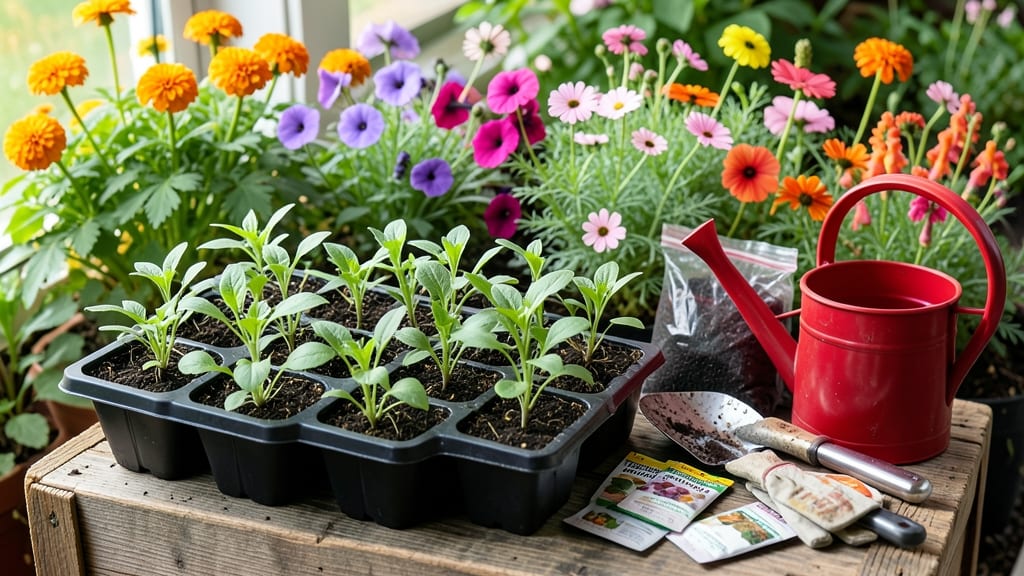
Timing your annuals planting in Chicago isn't just about checking a calendar—it's about understanding how urban heat islands and lake breezes create planting windows that shift by neighborhood.
That mid-April date you've seen might work for suburban yards, but city concrete holds warmth longer, potentially giving you 2-3 weeks earlier to plant your 🌸 petunias or zinnias.
I've learned the hard way that planting too early—before soil hits 50°F—can turn your vibrant annuals into sad, stunted survivors.
But with Chicago's Zone 6a climate and unpredictable springs, knowing the difference between Loop microclimates and western suburbs could mean the difference between a showstopping garden and a sad, brown patch.
What you'll discover here are the exact soil temperature triggers and frost-free windows tailored to Chicago's unique growing conditions. We'll break down when to plant cool-season annuals versus heat-lovers, plus how to extend your growing season with simple tools like row covers.
Whether you're a first-time gardener or a seasoned green thumb, these insights will help you avoid common mistakes and get your annuals thriving exactly when they should—no more guessing, just beautiful blooms all season long.
Chicago’s urban vs suburban planting zones: soil temperature maps explained
Chicago’s planting calendar isn’t one-size-fits-all—your downtown container garden might warm up 2-3 weeks earlier than your suburban backyard due to urban heat islands and Lake Michigan’s influence.
The Chicago Botanic Garden tracks these microclimates, revealing that Loop areas often hit 50°F soil temps by early April, while western suburbs lag until late April or early May.
This temperature gap means zinnias in your Millennium Park planters could bloom weeks before your Arlington Heights flower beds. Even within neighborhoods, south-facing walls or paved surfaces create microclimates where impatiens thrive earlier. Understanding these patterns helps you time your plantings for maximum success without risking frost damage.
Key triggers for planting annuals in Chicago include:
- Soil temperature ≥ 50°F (use a soil thermometer)
- Nighttime temps consistently above 50°F
- Last frost date: April 15 (city average, but varies)
| Location Type | Average Last Frost | Soil Reaches 50°F | Best Planting Window | Example Annuals |
|---|---|---|---|---|
| Downtown/Urban | April 5–10 | Early April | Mid-April to late April | Petunias, Snapdragons, Pansies |
| North Side (Lake Effect) | April 10–15 | Late April | Late April to early May | Impatiens, Lobelia, Coleus |
| Suburban (West/South) | April 15–20 | Early May | Early to mid-May | Marigolds, Zinnias, Sunflowers |
| Northwest Suburbs | April 20–25 | Mid-May | Mid-May | Basil, Tomatoes, Peppers (after soil >60°F) |
*Data sourced from Chicago Botanic Garden (2023) and local weather stations
For heat-loving annuals like basil or sunflowers, wait until soil temps hit 60°F+—this typically means late May for suburbs. Meanwhile, cool-season annuals like pansies or snapdragons can handle 40°F soils and even light frosts, making them ideal for early April plantings in urban areas.
Pro tip: Use row covers or cold frames to extend your planting window by 2-4 weeks. These tools let you plant cosmos or nasturtiums as early as mid-March in protected microclimates. Just remove covers when nighttime temps stay above 50°F consistently.
Chicago’s first-frost date averages October 15, but this varies by elevation and exposure. Low-lying areas like Pullman National Golf Course may frost earlier, while Lakefront areas stay warmer longer. Always have a frost watch plan for late-summer plantings like marigolds or zinnias.
To check your specific microclimate, use the Chicago Tribune’s frost map or invest in a $20 soil thermometer. I’ve found that south-facing beds near buildings warm up 3-5 days faster than north-facing ones. This knowledge lets you stagger plantings for continuous blooms all summer.
Common mistakes include planting tomatoes too early (they need 60°F+ soil) or assuming all annuals tolerate frost. Even hardy varieties like pansies can suffer if nights dip below 25°F. Always check the USDA Zone 5b/6a guidelines for your specific plants.
For container gardeners, urban heat islands work in your favor—pots warm up faster than ground soil. This means you can plant geraniums or portulaca 1-2 weeks earlier than in-ground plantings. Just monitor moisture levels closely, as containers dry out faster.
Step-by-step planting timeline for Chicago annuals (by month)
Chicago’s planting calendar isn’t one-size-fits-all—it’s split between cool-season annuals (like pansies) that tolerate light frosts and warm-season varieties (like marigolds) that need soil above 55°F. I’ve broken it down month-by-month to help you time your plantings perfectly, whether you’re sowing seeds or transplanting seedlings.
Start with cool-season annuals in early spring (March-April) when soil temps hit 40°F. These hardy plants can handle Chicago’s late frosts and even thrive in them.
For warm-season annuals, wait until after the average last frost date (mid-May for suburbs, late May for urban areas) and soil temps consistently stay above 60°F.
📅 Step-by-Step Planting Timeline
- March-April: Sow cool-season seeds (e.g., lettuce, snapdragons) indoors or under row covers. Transplant hardy annuals like pansies or calendulas if soil is workable.
- Late April: Direct-sow fast-growing annuals (e.g., radishes, nasturtiums) outdoors. Use cold frames for extra protection.
- May (after last frost): Transplant warm-season seedlings (e.g., petunias, zinnias) once soil hits 55°F. Start fall annuals (e.g., cosmos, sunflowers) from seed.
- June: Sow heat-loving annuals (e.g., basil, sunflowers) directly into well-warmed soil. Succession plant bush beans and marigolds every 2 weeks.
- July-August: Plant fall-blooming annuals (e.g., chrysanthemums, asters) for late-season color. Use shade cloth to protect from extreme heat.
- September: Extend the season with cool-tolerant annuals (e.g., stock, sweet alyssum) and row covers to delay frost damage.
Pro tip: Use a soil thermometer to check temps—50°F is the magic number for most annuals. Urban areas like Logan Square or Wicker Park warm up 2-3 weeks earlier than suburbs due to concrete heat islands, so adjust your timeline accordingly.
One common mistake? Planting heat-loving annuals like tomatoes or peppers too early. These need consistent warmth—if you rush, they’ll bolt or rot. I’ve lost count of the wilting basil plants I’ve nursed back to life after early May plantings!
For fall planting, aim for 8-10 weeks before your first frost (early October). Annuals like kale and pansies can handle light frosts, but tender varieties (e.g., impatiens) need to go in by mid-August to mature before cold snaps.
🌱 Remember: Chicago’s microclimates matter—your neighbor’s perfectly timed petunias might freeze in your yard if you’re just one zone cooler. Always check soil temps and monitor local forecasts for late frosts.