
Plants
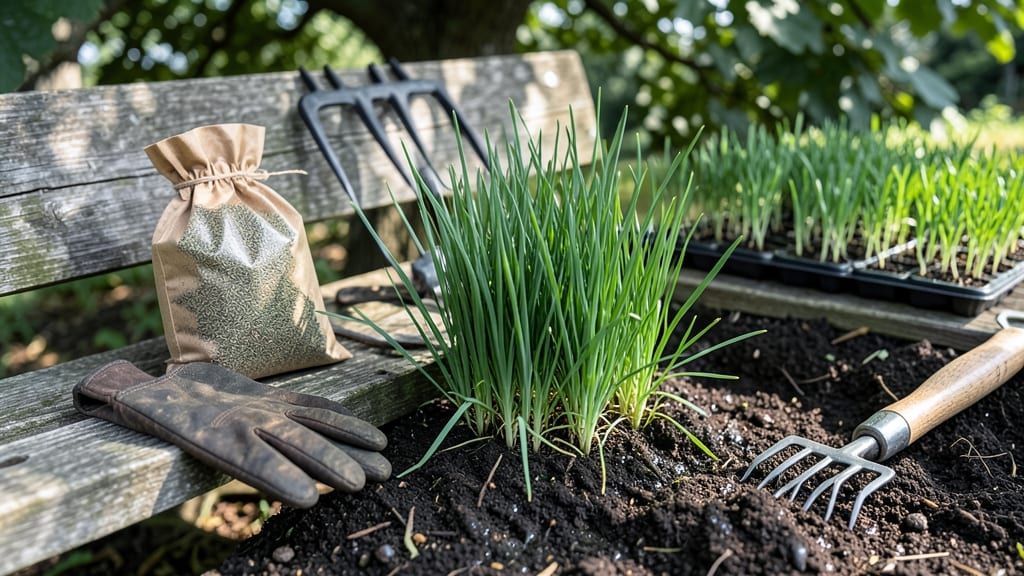
Timing your annual ryegrass planting in Texas isn’t just about throwing seeds in the ground—it’s about beating the heat, outsmarting frost, and giving your cover crop the best shot at thriving in 8a-10b zones.
Plant too early, and summer’s scorching sun will fry your seeds before they sprout. Too late, and winter’s first chill could kill off your young 🌱 before it even establishes.
Most Texas gardeners swear by fall planting—specifically between August and October—when soil temperatures dip just enough to escape summer’s wrath but stay warm enough for quick germination.
But here’s the catch: whether you’re in the Panhandle or the Rio Grande Valley, your exact window shifts based on microclimates and frost dates. Skip the guesswork and plant at the perfect moment to lock in a thick, resilient cover crop before winter sets in.
What if you missed fall? Spring planting (February-March) is your backup plan, but it comes with its own risks—like racing against early heatwaves or competing with weeds for space.
I’ll break down the exact months for your region, so you can avoid common mistakes and get your annual ryegrass off to a strong start. Let’s dive into the science behind Texas-specific timing.
From soil temperature thresholds to adjusting for early freezes, you’ll learn how to time your planting like a pro. Whether you’re using it for erosion control or soil enrichment, getting this right means faster establishment, better coverage, and a healthier landscape next season. Ready to plant with confidence?
Exact months to plant annual ryegrass in Texas for frost-free success
Annual ryegrass (Lolium multiflorum) thrives in Texas when planted during cool-season windows—but timing varies by region. The North Texas Panhandle (USDA Zones 7b-8a) faces earlier frosts, while South Texas (Zones 9a-10b) enjoys milder winters.
My goal? Help you pinpoint the 4-6 week window before your first frost for robust establishment.
For fall planting, aim for August through October—this gives seeds time to germinate before soil temps drop below 60°F.
In North Texas, this means late August to early September; in Central Texas, mid-September to October; and in South Texas, October to early November.
Spring planting is trickier—February to early March works only if you avoid summer heat stress. Seeds planted too early in spring may bolt or struggle in 90°F+ temperatures. I recommend fall planting for best results.
Here’s the critical rule: Plant when soil temps are 60-75°F (ideal for germination) and 4-6 weeks before your average first frost. Use your local frost date map (like the National Weather Service) to adjust timing—some years frost hits 2 weeks early!
Texas’ microclimates add complexity. For example, West Texas (El Paso) may need earlier fall planting than East Texas (Houston), where humidity extends the growing season. Always check your specific county’s frost data.
Pro tip: Soil temperature gauges (available at garden centers) are worth the investment. They’re more accurate than air temps—60°F soil is the magic number for germination. If temps drop below 50°F, seeds won’t sprout.
🌱 Texas Annual Ryegrass Planting Timeline by Region
| Region | USDA Zone | Ideal Planting Window | First Frost Date | Soil Temp Goal |
|---|---|---|---|---|
| North Texas (Panhandle) | 7b-8a | Late Aug - Early Sept | Nov 15 - Dec 1 | 60-75°F |
| Central Texas (Austin, San Antonio) | 8a-8b | Mid-Sept - Oct | Nov 20 - Dec 10 | 60-75°F |
| South Texas (Houston, Corpus Christi) | 9a-10b | Oct - Early Nov | Dec 1 - Jan 15 | 60-75°F |
| West Texas (El Paso, Midland) | 8a-8b | Early Sept - Mid-Oct | Nov 1 - Nov 15 | 60-75°F |
Note: Adjust 1-2 weeks earlier for high-elevation areas (e.g., Hill Country) or later for coastal regions.
If you’re planting for erosion control, prioritize late September in most of Texas—this gives roots time to establish before heavy rains or winter freezes. For soil improvement, aim for full coverage by November to suppress weeds and build organic matter.
One common mistake? Planting too close to frost. Seeds need 30-45 days to germinate and 60 days to establish a strong root system. If you plant just 2 weeks before frost, your cover crop will be weak and vulnerable to winter dieback.
For spring planting, February is your last chance in North Texas—after that, heat stress becomes a major risk. In South Texas, March planting is safer, but growth slows as temps rise. Always water deeply
Exact months to plant annual ryegrass in Texas for frost-free success
Timing your annual ryegrass planting in Texas depends on avoiding two major pitfalls: summer heat stress and winter frost damage. The sweet spot is late summer through early fall, when soil temperatures drop below 85°F but before the first frost arrives.
This window ensures strong root establishment before winter dormancy.
Texas spans USDA zones 8a-10b, creating regional variations in frost timing. Northern Texas (like Dallas) typically sees first frost around November 15, while southern areas (Houston, San Antonio) may hold off until December 15.
Planting 4-6 weeks before frost gives seeds time to germinate and develop a robust root system.
| Texas Region | Optimal Planting Window | First Frost Date | Soil Temp Threshold |
|---|---|---|---|
| North (Dallas, Amarillo) | August 15 - September 20 | November 15 | Below 85°F |
| Central (Austin, Waco) | September 1 - October 10 | November 25 | Below 80°F |
| South (Houston, San Antonio) | September 15 - October 30 | December 15 | Below 75°F |
For spring planting, aim for February-March in most of Texas. This timing allows seeds to germinate before summer heat peaks, though spring growth may be slower due to limited rainfall. Avoid planting after April 15, as soil temperatures often exceed 90°F, stressing young seedlings.
Pro tip: Use a soil thermometer to confirm temperatures are below 85°F before planting. Cool soil speeds germination and reduces disease risk. In drought-prone areas, irrigate lightly after planting to maintain consistent moisture until establishment.
Remember, annual ryegrass thrives as a cover crop, not a lawn. Planting too early in summer risks heat stress, while late planting may leave it vulnerable to winter dieback. Strike this balance, and you'll have a dense, cold-hardy ground cover by winter.
🌱