
Planting
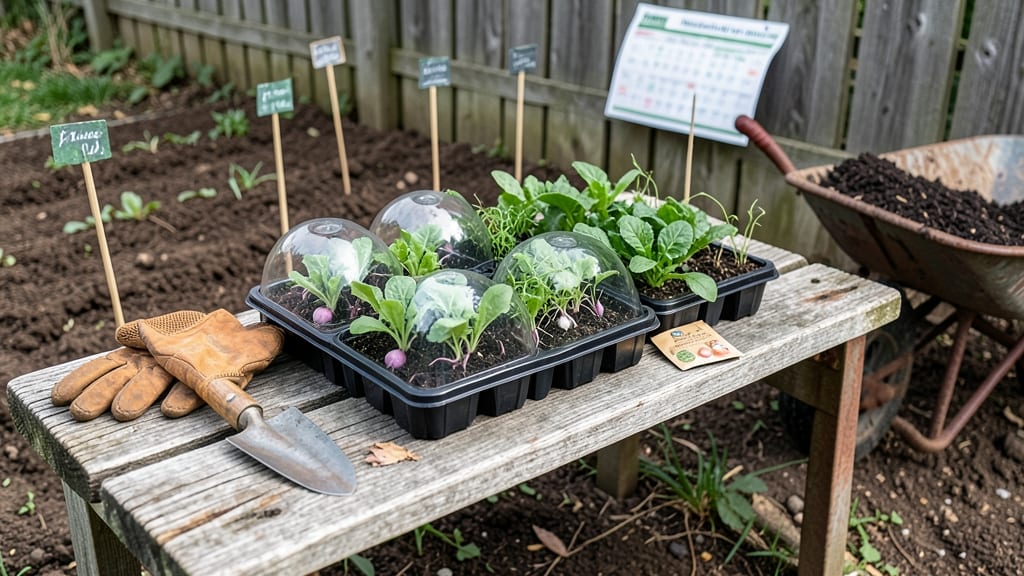
Timing when to plant a vegetable garden in Pennsylvania isn’t just about following a calendar—it’s about mastering the 5b-7a zone’s quirks, from the Poconos’ late frosts to Pittsburgh’s early heat waves. Plant too soon, and your 🥬 lettuce bolts into bitter greens; wait too long, and your tomatoes never ripen.
The difference between a thriving harvest and a wasted season often comes down to knowing exactly when to seed, transplant, and protect your crops—down to the week.
Let’s cut through the guesswork. Whether you’re a first-time gardener in Erie or a seasoned grower in Lancaster, I’ll break down the microclimate rules that determine your planting deadlines.
From cool-season crops like peas (plant by mid-April) to heat-lovers like peppers (wait until soil hits 75°F), you’ll learn how elevation, soil warmth, and even your backyard’s sun exposure shift the schedule—sometimes by 3 weeks or more.
You’ll also discover how to stretch your growing season with row covers, cold frames, and succession planting—because in Pennsylvania, where frost can sneak in as early as October, every extra day counts.
No more second-guessing whether your carrots will mature before the first hard freeze or if your basil will survive a late-spring chill. This is your no-fluff guide to planting right the first time.
Ready to turn your garden into a year-round producer? Let’s dive into the zone-specific planting calendar that’ll have your 🥬 thriving from spring to fall—no matter where you are in the Keystone State.
Pennsylvania planting deadlines by USDA Zone & elevation (soil warmth maps included)
Pennsylvania spans 11 USDA hardiness zones (3a–7a), meaning your last frost dates can shift by 3–4 weeks from Erie to Scranton. For example, Zone 4a (Poconos) typically sees frost until May 15, while Zone 6b (Philadelphia) warms up by April 15.
Soil temperature—not just air temperature—dictates when to plant. Most vegetables need soil at 40°F for cool-season crops (like lettuce) and 75°F for warm-season crops (like tomatoes).
Use these elevation adjustments to fine-tune your schedule: every 1,000 feet in elevation delays planting by 1–2 weeks. For instance, Pittsburgh (Zone 6a, 800 ft) plants tomatoes 2 weeks earlier than State College (Zone 5b, 1,200 ft).
Always check your local frost calendar—the Penn State Extension provides county-specific data.
Here’s a quick-reference guide for Pennsylvania’s most popular vegetables, organized by planting window and soil temperature needs. Bookmark this for succession planting (e.g., sowing lettuce every 2 weeks for continuous harvests).
| Crop Type | Planting Window (PA Avg.) | Soil Temp. Threshold | Elevation Adjustment | Notes |
|---|---|---|---|---|
| Cool-Season (Lettuce, Spinach, Peas) | 4–6 weeks before last frost (Mar–Apr) | 40–50°F | +1 week per 500 ft | Tolerates light frost; use row covers for late spring |
| Warm-Season (Tomatoes, Peppers, Cucumbers) | 2–3 weeks after last frost (May–Jun) | 75°F+ | -1 week per 500 ft | Start indoors 6–8 weeks before transplanting |
| Neutral-Season (Beans, Carrots, Onions) | After soil reaches 50°F (Apr–May) | 50–60°F | +0.5 week per 500 ft | Direct-sow after danger of frost passes |
| Fall Crops (Kale, Radishes, Broccoli) | 8–10 weeks before first frost (Jul–Aug) | 55–65°F | -1 week per 1,000 ft | Sweetens with frost; harvest before bolting |
For urban gardeners in Philadelphia or Pittsburgh, heat islands can push planting dates 1–2 weeks earlier than rural areas. Test your soil’s readiness with the potato test: bury a raw potato 4" deep for 24 hours.
If it’s soft when dug up, your soil is warm enough for planting.
In mountainous regions like the Poconos or Allegheny Plateau, aim for late May to plant warm-season crops. Use black plastic mulch to warm soil 5–10°F faster in these cooler zones.
For example, Scranton (Zone 5b) often waits until June 1 to transplant peppers, while Lancaster (Zone 6b) starts by May 15.
Don’t rely solely on calendar dates. Monitor 5-day forecasts for late frosts—even in Zone 6, a 28°F dip in May can wipe out seedlings. Sign up for local ag alerts (e.g., Penn State Ag Progress) to get real-time updates on frost risks and soil conditions.
Extend your harvest window by planting fast-maturing varieties (e.g., ‘Early Girl’ tomatoes in 55 days) and using season extenders like cold frames or low tunnels. In Zone 4a, you can grow spinach until November with protection, while Zone 7a (Washington, D.C. border) allows fall tomatoes until October.
Remember: Soil temperature > air temperature. A 70°F day with 50°F soil will stunt warm-season crops. Invest in a $15 soil thermometer—it’s the difference between bolting lettuce
How to adjust planting dates for Pennsylvania’s microclimates (river valleys vs. mountains)
Pennsylvania’s geography creates dramatic planting windows—Erie’s lakeshore can be 2 weeks earlier than Poconos mountain valleys for the same crop. The Delaware River Valley, for example, often sees its last frost 10–14 days before Pittsburgh’s suburbs. Understanding these shifts lets you extend harvests by weeks or even months.
Urban gardeners in Philadelphia or Allentown might plant spinach in early March, while Scranton or Wilkes-Barre wait until mid-April. Meanwhile, Pittsburgh’s urban heat island can push tomato planting back by 1–2 weeks compared to rural areas just 10 miles away.
These microclimates aren’t just theoretical—they directly impact whether your peppers mature before frost or your broccoli bolts into bitter florets.
| Microclimate | Last Frost Shift | Adjust Planting By | Example Crops |
|---|---|---|---|
| Delaware River Valley | 10–14 days earlier | Start cool crops 2 weeks sooner | Lettuce, Spinach, Peas |
| Pittsburgh Urban Heat | 5–7°F warmer | Delay warm crops 1–2 weeks | Tomatoes, Peppers, Cucumbers |
| Poconos Mountains | 2–3 weeks later | Wait until soil hits 50°F | Kale, Carrots, Radishes |
| Erie Lakeshore | Lake moderates temps | Plant 1 week earlier near water | Onions, Beets, Swiss Chard |
For successive planting, use this rule: If your last frost is May 15, plant lettuce every 2 weeks from March 15 to April 15 for continuous harvests.
In warmer zones (6a–7a), stretch this to March 1 to May 1. Meanwhile, mountain gardeners (4a–5a) should space plantings 3 weeks apart to avoid frost damage.
Protect tender crops with row covers or cold frames to shave off 3–4 weeks from your planting window. For example, broccoli planted under cover in late February (instead of March) gives you a 6-week head start on flavorful harvests. Just remove covers when flowers appear to prevent heat stress.
Even in short-season zones, you can double your harvest by planting fast-maturing varieties (like bush beans in July for fall harvests) or using black plastic mulch to warm soil 5–10°F faster.
Test your soil with a potato test—bury a raw potato overnight; if it’s soft in the morning, it’s time to plant warm-season crops.
Remember: False springs are Pennsylvania’s cruelest trick. Always monitor 5-day forecasts and have frost cloth ready. A late April warm spell might fool you into planting tomatoes too early—only to get killed by a May frost.
When in doubt, wait until nighttime temps stay above 50°F for 5 days straight.