
Plants
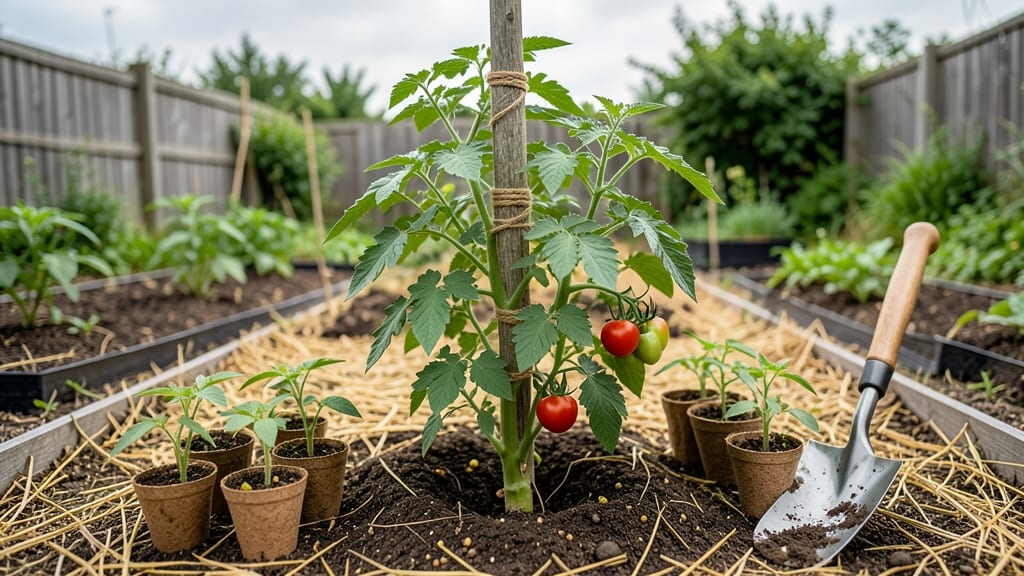
North Texas fall tomato planting dates: frost zone & variety guide
North Texas’ USDA Zones 8a and 8b create a tricky balance for fall tomatoes—hot summers give way to sudden first frost dates (Oct 20–Nov 15), leaving just a 60–75-day window for harvests.
Miss this window, and you’ll lose your crop to cold. But with the right varieties and timing, you can still enjoy juicy tomatoes well into November.
Your planting window starts mid-August to early September, but exact dates depend on your location. DFW gardeners have until early September, while Amarillo’s shorter season demands late August starts. The key? Calculate 60 days before your average first frost—that’s your deadline.
For example, if your frost hits November 10, count backward: September 10 is your last planting date. Use this rule to avoid bolt-risk (when plants flower prematurely) or frost damage before ripening.
| Location | USDA Zone | Last Planting Date | First Frost | Best Varieties |
|---|---|---|---|---|
| DFW (Fort Worth, Arlington) | 8a/8b | Early September | Oct 20–Nov 10 | ‘Mountain Merit’, ‘Celebrity’, ‘Cherry Tomato’ |
| Amarillo, Lubbock | 8a | Late August | Oct 30–Nov 15 | ‘Roma’, ‘Early Girl’, ‘Solar Fire’ |
| Waco, San Antonio | 8a | Mid-September | Nov 1–Nov 10 | ‘Better Boy’, ‘Sweet 100’, ‘Patio’ |
Choose fast-maturing varieties (60–70 days) like ‘Mountain Merit’ or ‘Early Girl’ to beat the clock. These thrive in fall’s cooler temps (60–80°F) and resist blossom-end rot, a common issue when soil temps swing. Avoid heat-lovers like ‘Brandywine’—they’ll struggle in September’s fading heat.
Soil temperature matters just as much as air temp. Use a soil thermometer to confirm it’s above 60°F before planting. If it’s cooler, try black plastic mulch to warm the soil faster. Pro tip: Plant in raised beds—they warm up quicker than in-ground soil.
North Texas’ unpredictable weather can throw off your timing. If a heatwave hits in September, delay planting until temps drop below 90°F. Conversely, if a cold snap arrives early, rush seedlings with row covers to protect young plants.
Don’t overlook succession planting—sow a second batch 2–3 weeks after your first planting for a staggered harvest. This works especially well with cherry tomatoes, which ripen faster and tolerate cooler temps better than beefsteaks.
Finally, mark your calendar for October 1—that’s when you should start pruning suckers and reducing water slightly to trigger ripening before frost. With these adjustments, you’ll enjoy tomatoes well past Halloween!
How to adjust planting for late starts: 5 proven strategies
Missed the ideal mid-August window for fall tomatoes? Don’t panic—North Texas gardeners often face delays due to summer heat or unexpected weather. The key is adjusting your approach to extend the season and still get a harvest before frost.
Start by choosing fast-maturing varieties like ‘Mountain Merit’ or ‘Early Girl,’ which can produce fruit in as few as 55-60 days.
Next, consider soil warming tricks to jumpstart growth. Lay down black plastic mulch or use a cold frame a few weeks before planting to raise soil temperatures. This mimics an earlier start and helps roots establish faster in cooler fall air.
I’ve seen soil temps rise by 10°F+ with these methods, making a huge difference in seedling vigor.
Here’s where the magic happens: row covers and low tunnels can push your harvest window by 2-3 weeks. These lightweight fabrics protect young plants from unexpected cold snaps while still allowing sunlight and airflow. Just
- ⏳ Choose ultra-fast varieties (55-60 days to harvest) like ‘Mountain Merit’ or ‘Tiny Tim’—skip slow growers like ‘Beefsteak’ for late starts.
- 🔥 Warm soil first: Use black plastic mulch or a cold frame 2 weeks pre-planting to raise temps by 10°F+.
- 🛡️ Protect with row covers: Extend season by 2-3 weeks; remove during warm days to prevent heat stress.
- 🌱 Succession plant every 2 weeks: Stagger 3-4 plantings to spread harvests and reduce risk of total crop loss.
- 💡 Prioritize pruning & support: Remove suckers aggressively and use cages/stakes to direct energy to fruit, not foliage.
For those who wait until late August or September, succession planting becomes your best friend. Space out 3-4 plantings every 2 weeks to ensure a staggered harvest. This way, if one batch struggles with early frost, others may still thrive. I’ve had success with this method even when planting as late as September 1st in DFW.
Don’t overlook pruning and support when starting late. With less time to mature, every bit of energy must go toward fruit production. Remove all suckers (those little shoots in leaf axils) and use cages or stakes to keep plants upright.
This prevents wasted energy on foliage and directs it to ripening tomatoes before frost hits.
Finally, monitor your local frost forecast like a hawk. Sign up for alerts from the National Weather Service or use apps like Frost Date Calculator. When temps dip below 32°F, cover plants with frost blankets or move potted tomatoes to a garage or shed overnight.
With these strategies, you can still enjoy homegrown tomatoes well into November—even with a late start.