
Planting
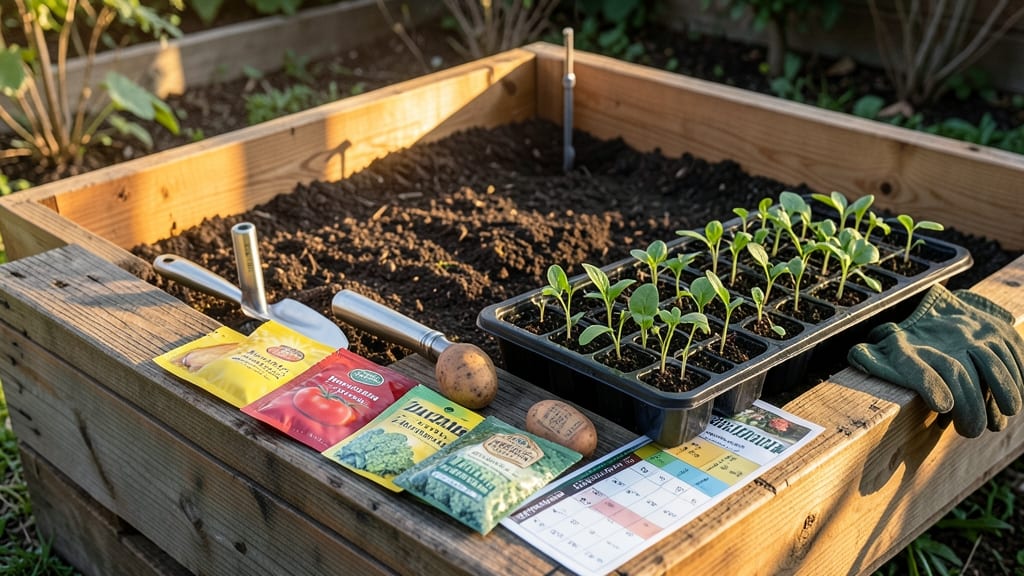
Planting a vegetable garden in Ontario at the wrong time can turn your green thumb into a frozen thumb—literally. With frost dates varying wildly from Toronto to Ottawa, knowing exactly when to plant isn’t just helpful; it’s the difference between a thriving harvest and a sad, wilted disappointment.
I’ve spent years watching Ontario’s unpredictable weather play tricks on gardeners, and the key is timing. Whether you’re a first-timer or a seasoned grower, this guide cuts through the guesswork by breaking down region-specific planting windows for everything from peas to peppers. No more waiting until it’s too late!
We’ll tackle frost dates, soil prep, and even how to adjust for those unexpected late frosts that love to ruin your plans.
By the end, you’ll know precisely when to start seeds indoors, when to direct-sow, and which crops to prioritize for your zone—because Ontario’s growing season is short, and every day counts.
Ready to turn your backyard into a productive garden? Let’s get those seeds in the ground at the perfect moment—before the frost strikes again.
Ontario frost dates by region: your planting timeline cheat sheet
Ontario’s diverse climate zones mean your planting schedule should vary dramatically from London to Ottawa. The key to success? Knowing your last spring frost date and first fall frost date—these determine whether your tomatoes or peppers will ripen before winter sets in.
Southern Ontario enjoys 180–210 frost-free days, while Northern Ontario gardeners often face just 90–120 days, forcing earlier starts indoors.
For example, in Toronto (Zone 6a), the average last frost date hovers around May 15–20, giving you a 150-day growing season. But in Sault Ste. Marie (Zone 4b), that window shrinks to June 1–15 with only 120 frost-free days.
These differences explain why cool-season crops like spinach thrive in early spring, while warm-season crops like cucumbers need to wait until after the last frost.
Here’s the critical rule: Plant cool-season crops 2–4 weeks before your last frost date and warm-season crops 2 weeks after. But don’t rely on averages—use a frost date calculator or check local weather stations for real-time updates.
Even a 5-day delay can mean the difference between a thriving garden and a frost-killed one.
🌱
| Region | Last Spring Frost | First Fall Frost | Frost-Free Days | Key Planting Windows |
|---|---|---|---|---|
| Southern Ontario (London, Windsor) | May 5–10 | Oct 10–15 | 180–210 | Early spinach: March 15–April 15 Tomatoes: May 20–June 1 |
| Central Ontario (Toronto, Hamilton) | May 15–20 | Sept 30–Oct 5 | 150–170 | Peas: April 20–May 10 Peppers: May 30–June 10 |
| Northern Ontario (Ottawa, Sault Ste. Marie) | June 1–15 | Sept 15–25 | 90–120 | Kale: March 30–April 15 Tomatoes: June 15–July 1 (start indoors) |
Use this table as your planting roadmap, but remember: microclimates matter. A south-facing slope in your yard might warm up 1–2 weeks earlier than the official frost date. Test your soil temperature—most warm-season crops need soil at 60°F (15°C) or warmer before planting.
A simple soil thermometer ($10 at garden centers) will save you from planting too early and risking frost damage.
Pro tip: Extend your season by using row covers or cold frames to plant 2–3 weeks earlier in spring or 2–4 weeks later in fall. In Southern Ontario, this can add 30–45 extra frost-free days—enough to squeeze in an extra crop of bush beans or radishes.
For Northern Ontario gardeners, focus on fast-maturing varieties and early harvests. Crops like 'Early Wonder' peas or 'Early Girl' tomatoes are bred for shorter seasons. Start 80% of your seeds indoors 6–8 weeks before your last frost date to give them a head start.
Use grow lights if natural light is limited—your seedlings will thank you with sturdy stems and vigorous growth.
Don’t overlook fall planting—it’s a game-changer for Ontario gardens. In Southern Ontario, you can still plant spinach, kale, and carrots until early September, while Northern Ontario allows for late-August plantings.
These cool-season crops thrive in fall’s cooler temps and often produce sweeter harvests. Just avoid planting warm-season crops like cucumbers after August 1—they won’t have time to mature before frost.
🌿
To stay on track, mark your calendar with these key dates:
- March–April: Start indoor seeds (tomatoes, peppers, eggplants).
- April–May: Plant cool-season crops (lettuce, peas, radishes) as soon as soil is workable.
- 2 weeks after last frost: Transplant warm-season crops (tomatoes, peppers, squash).
- August–September: Sow fall crops (spinach, kale, garlic) for a late harvest.
Finally, keep a gardening journal to track your actual frost dates versus the averages. Over time, you’ll spot patterns—
Best vegetables to plant now (spring) vs. wait until summer in Ontario
Spring in Ontario is your golden window for cool-season crops like spinach and kale, but timing matters. Plant these hardy greens 4-6 weeks before your last frost date—in Southern Ontario, that’s often by early April, while Northern Ontario gardeners wait until late May.
Meanwhile, warm-season veggies like tomatoes and peppers need to wait until after the last frost, usually late May to early June.
I’ve learned the hard way that rushing tomatoes too early leads to sad, frost-nipped seedlings. Instead, start them indoors in early April for a head start, then transplant after Memorial Day weekend in most regions.
For peppers and eggplants, even longer: these heat-lovers need soil temps above 15°C (59°F), which typically happens in June.
Don’t forget succession planting—this is my secret to extending harvests. After pulling early radishes (ready in 30 days!), I replant with bush beans or lettuce every 2 weeks. This keeps my garden productive from May through September without gaps.
Here’s a quick rule of thumb: if the plant can’t handle light frost (like cucumbers or squash), wait until the soil is warm and all danger of frost has passed.
For frost-tolerant peas and carrots, though, I plant them as soon as the ground is workable—sometimes even under row covers for extra protection.
Ontario-specific varieties make all the difference. For example, 'Early Girl' tomatoes mature in just 55 days, perfect for our shorter growing season. Similarly, 'Winterbor' kale thrives in cool weather and keeps producing until first frost. These picks are bred to handle our climate’s quirks.
Pro tip: keep a planting journal to track what works in your microclimate. Last year, my zucchini took off in London but struggled in Ottawa—same seeds, different timing! Adjust based on your local frost dates and soil warming trends.
🌱
🌱 Ontario Spring Planting Timeline
- Early April: Start tomatoes/peppers indoors (6-8 weeks before last frost)
- Late April: Direct-sow peas, spinach, radishes (4-6 weeks before last frost)
- May (after frost): Transplant tomatoes, peppers, eggplants (soil >15°C)
- June: Plant cucumbers, squash, beans (warm soil required)
- July-August: Succession plant lettuce, carrots, kale for fall harvests
Remember, soil temperature is just as critical as air temperature. Use a soil thermometer—most seeds need soil between 10-20°C (50-68°F) to sprout. If your soil is still cold in May, hold off on planting warm-season crops.
And always check your local frost-free date—it can vary by 2 weeks or more even within the same city!
For a foolproof approach, I plant a mix of early, mid, and late varieties of the same crop. This way, if one batch gets hit by unexpected frost, another is ready to save the harvest.
For example, with lettuce, I plant 'Black Seeded Simpson' (early), 'Romaine' (mid), and 'Winter Density' (late) in succession.
🌿