
Planting
Northern California planting zones: coastal vs. valley start dates for frost-free success
Northern California’s USDA Hardiness Zones 7b-10a create dramatic planting differences between coastal and valley regions. Coastal areas like San Francisco (Zone 9b-10a) enjoy 2-4 weeks earlier starts than inland valleys like Sacramento (Zone 8a-9a).
This means your tomato seeds might go in the ground in March on the coast but wait until April in the Central Valley.
The key difference? Frost timing. Coastal zones rarely see frost after January 15, while valley areas can experience late frosts until March 1. For frost-sensitive crops like peppers and cucumbers, this translates to a 4-week advantage for coastal gardeners.
Meanwhile, cold-hardy greens like kale and spinach can start 6 weeks earlier in valleys where winter temps drop below freezing.
Here’s how these microclimates affect your planting schedule:
| Factor | Coastal (San Francisco, Santa Cruz) | Valley (Sacramento, Stockton) |
|---|---|---|
| USDA Zone | 9b-10a | 7b-9a |
| Last Frost Date | January 15 | March 1 |
| First Frost Date | Rare (Dec-Jan) | November 15-December 1 |
| Warm-Season Start (Tomatoes, Peppers) | March 15-April 1 | April 15-May 1 |
| Cool-Season Start (Lettuce, Spinach) | September 1-October 15 | August 1-September 15 |
| Frost-Free Days | 275-365 | 200-275 |
| Key Challenge | Coastal fog delays growth | Heat spikes in summer |
These differences explain why coastal gardeners can grow year-round crops like broccoli and carrots, while valley gardeners focus on spring and fall plantings to avoid summer heat stress. The 100-mile difference between San Francisco and Sacramento creates a 30-day planting window shift for many vegetables.
For tomatoes and peppers, coastal gardeners should start seeds indoors by February 1 to transplant outdoors by March 15. Valley gardeners wait until March 15 for seeds indoors and April 30 for transplants. This timing prevents late frost damage while maximizing the growing season.
Similarly, cool-season crops like lettuce and spinach can be planted as early as September on the coast but must wait until October in the valleys. This shift ensures seedlings aren’t killed by unexpected November frosts in inland areas. Always check your local USDA frost maps for precise dates.
Pro tip: Use row covers to extend coastal planting windows by 2-3 weeks in spring or protect valley crops from late frosts. This simple tool can give you a full month’s advantage in either climate zone.
Understanding these regional differences is the first step to zero-frost failures and a bountiful harvest tailored to your exact location. Next, we’ll cover how to adjust for soil conditions and microclimate quirks like coastal fog and valley heat.
How to adjust planting times for northern California’s microclimates and soil conditions
Northern California’s microclimates aren’t just about frost dates—they’re about coastal fog, valley heat spikes, and soil that behaves differently in Santa Cruz than in Sacramento.
I’ve learned the hard way that planting tomatoes in April on the coast works, but the same timing in the Central Valley risks heat stress before harvest. Here’s how to adapt.
First, account for coastal delays. Areas like San Francisco and Monterey often see foggy mornings that linger until 10 AM, delaying soil warming by 2-3 weeks compared to inland zones.
Start warm-season crops (like peppers or cucumbers) 2 weeks later on the coast than in the Sacramento Valley.
Soil type matters just as much as climate. Coastal gardens often have sandy, well-draining soil that warms quickly but dries fast, while valley soils—especially in clay-heavy areas—retain moisture but can bake in summer. Amend sandy soil with compost to hold water, and mix organic matter into clay to improve drainage.
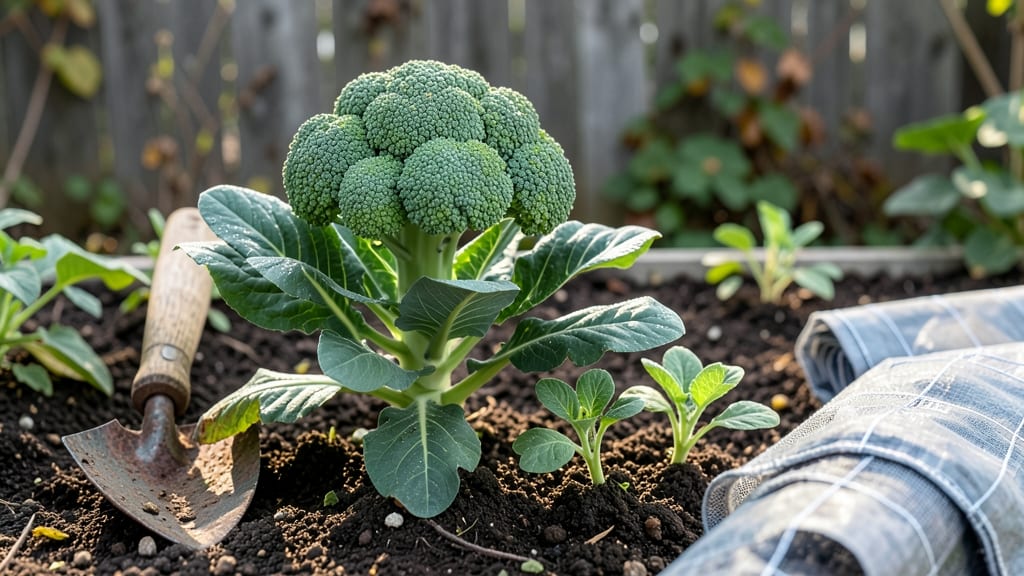
Use row covers or cold frames to extend seasons. On the coast, I’ve successfully planted broccoli in September under floating row covers, harvesting through December before frost. In valleys, shade cloth (30-50%) protects greens from heat stress in July-August.
For succession planting, stagger seeds every 2 weeks for leafy greens (like lettuce or spinach) to ensure a continuous harvest. In coastal areas, start first rounds in March; in valleys, delay until April 15 to avoid early heat.
Finally, watch for wind exposure on the coast. Young seedlings can dry out or blow over in Santa Cruz’s coastal winds. Use windbreaks (like bamboo stakes or corn stalks) or plant near hedges to protect tender crops like cabbage or kale.