
Planting
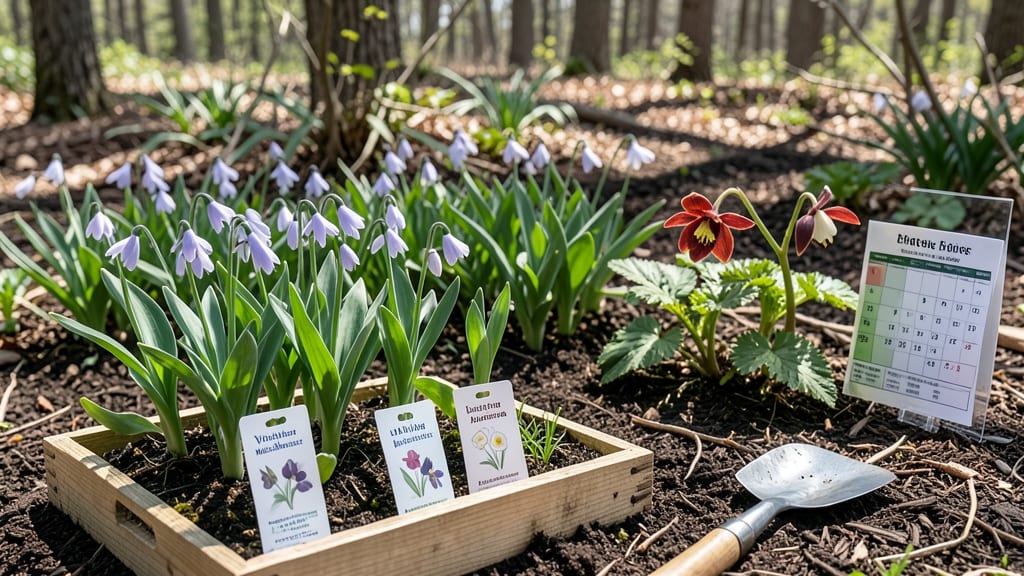
NC county-by-county planting timeline based on last frost dates
North Carolina’s planting seasons vary dramatically from the Coastal Plain to the Mountains, with last frost dates spanning from early March to late May. For example, Wilmington typically sees its final frost by March 15, while Asheville often waits until May 10.
Understanding these differences ensures you plant warm-season crops like tomatoes and peppers at the right time to avoid frost damage.
Cool-season crops such as lettuce and spinach can be sown as early as February in the Coastal Plain but may need to wait until April in the Mountains.
The key is aligning your planting schedule with your USDA Hardiness Zone—NC ranges from Zone 7b to Zone 8a—and local microclimates influenced by elevation and proximity to water.
Here’s how to use this timeline: Check your county’s average last frost date, then count backward based on your plant’s days to maturity. For instance, if your tomato variety needs 80 days to harvest, plant it 80 days before your last frost.
In Raleigh (Zone 7b), that means starting seeds indoors around March 15 for a late May transplant.
For warm-season crops, wait until soil temperatures consistently reach 60°F—a critical threshold for germination. Use a soil thermometer to monitor this, especially in higher-elevation areas like the Blue Ridge Mountains, where cooler soils delay planting by 2-3 weeks compared to the Piedmont.
Coastal regions like New Bern and Morehead City have longer growing seasons, allowing for year-round planting of heat-loving crops such as okra and sweet potatoes. Meanwhile, inland areas may need to rely on row covers or cold frames to extend the season for cool-season greens like kale and collards.
| Region | Avg. Last Frost | Cool-Season Planting Window | Warm-Season Planting Window | Key Crops |
|---|---|---|---|---|
| Coastal Plain (e.g., Wilmington) | March 15 | Feb 1 – Apr 15 | Apr 1 – May 30 | Lettuce, Spinach, Okra, Tomatoes |
| Piedmont (e.g., Raleigh) | April 1 | Feb 15 – Mar 30 | Apr 15 – May 15 | Peas, Carrots, Peppers, Corn |
| Mountains (e.g., Asheville) | May 10 | Mar 15 – Apr 30 | May 1 – Jun 1 | Broccoli, Cabbage, Tomatoes, Beans |
| High Elevation (e.g., Boone) | May 20 | Apr 1 – May 10 | Jun 1 – Jun 15 | Potatoes, Kale, Peppers, Zucchini |
Note: Dates are averages—check local almanac data for your exact county.
For fall planting, aim to sow cool-season crops like radishes and turnips 6-8 weeks before your first frost, which typically arrives between October 15 (Coastal) and November 15 (Mountains).
In Charlotte (Zone 7b), this means starting seeds by September 1 to ensure a harvest before winter sets in.
Pro tip: Use NC State Extension’s Planting Calendar (extension.ncsu.edu) for real-time updates on frost dates and pest alerts. Their tools also help adjust for unpredictable weather patterns, like the 2023 early frost that caught many gardeners off guard in the Piedmont.
If you’re unsure about your county’s exact frost dates, err on the side of caution: harden off seedlings gradually and keep emergency row covers
How to adjust planting times for your NC microclimate
North Carolina’s microclimates can shift planting windows by 4-6 weeks—even between neighboring counties. If you live in Asheville’s cooler mountains, your last frost might be May 15, while Wilmington’s coastal zone could already be frost-free by March 1.
Understanding these shifts helps you avoid frost damage or wasted effort on heat-sensitive crops.
Start by checking your USDA Hardiness Zone (NC ranges from Zone 6b to Zone 8a) and local frost history. Use tools like the NC State Climate Office’s frost maps to pinpoint your exact frost-free window.
For example, Chapel Hill (Zone 7b) averages its last frost on March 22, while Boone (Zone 6a) often waits until April 15.
For frost-prone areas like the Mountains or Piedmont, extend your season with row covers or cold frames. These can push cool-season crops like kale or spinach into October harvests, when unprotected plants might fail.
In heat-sensitive zones like the Coastal Plain, use shade cloth (30-50%) to protect tomatoes or peppers during July-August heatwaves.
Don’t forget succession planting—a game-changer for NC gardens. By staggering seed sowings every 2-3 weeks, you can keep lettuce, radishes, or carrots producing through spring and fall.
In Zone 7-8, this means March-April for cool crops and May-June for warm crops, with a final August push for fall harvests.
For high-risk areas, like Western NC’s valleys, use a frost risk calculator (available from NC State Extension) to determine safe planting dates. Input your elevation, slope, and nearby water bodies—these factors can shift frost dates by 1-2 weeks.
For example, Marshall (Zone 6a) might see frost until May 10, while nearby Hendersonville (Zone 7a) could be clear by April 25.
Pro tip: Test your soil’s warmth before planting. Use a soil thermometer—warm-season crops need 60°F+ soil temps, while cool-season crops thrive in 40-50°F. In Zone 8, this might mean waiting until mid-March for peas, but late February for spinach.
Adjust based on your microclimate’s soil behavior—sandy soils warm faster than clay.