
Planting
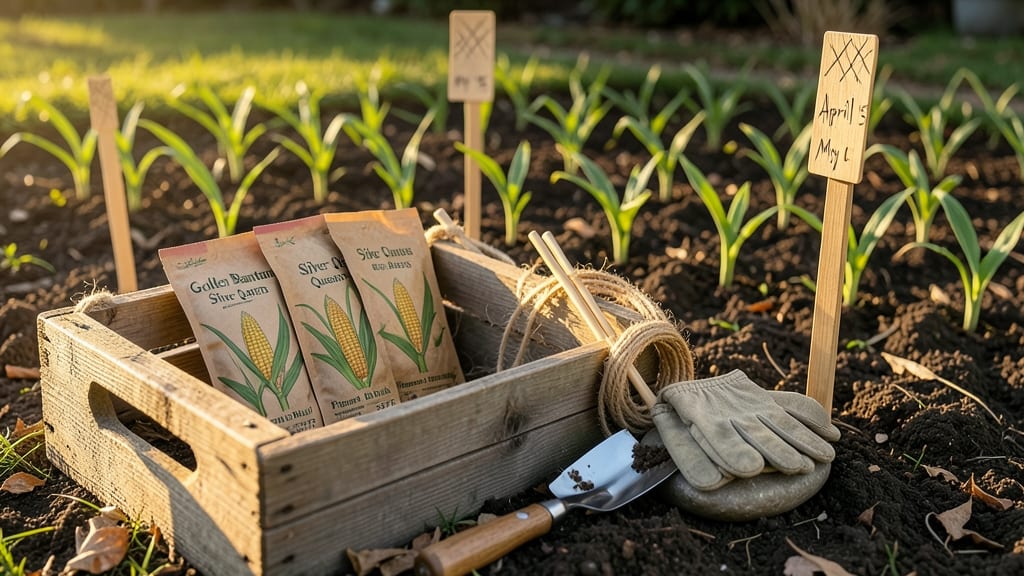
Timing your garden just right in Iowa isn’t about luck—it’s about knowing the exact deadlines for frost-free planting in Zones 5B/6A. Miss the window, and your 🌱 could face a sudden chill or stunted growth.
The secret lies in the April 15–May 15 spring window and the August 1–September 15 fall restart, but even these dates shift yearly.
Iowa’s unpredictable frost dates mean your planting schedule needs flexibility. Whether you’re sowing cool-season greens or warm-season tomatoes, aligning with soil temperatures and local microclimates (northern vs. southern regions) makes all the difference. Let’s break down the science-backed deadlines so you can plant with confidence, not guesswork.
From seed-starting indoors to direct sowing outdoors, this guide covers the critical steps to maximize your harvest. You’ll learn how to adjust for late frosts, use row covers, and pick the fastest-growing crops for second chances. Ready to turn your garden dreams into a reality?
No more waiting for the perfect day—just proven strategies to help your 🌱 thrive in Iowa’s climate. Let’s get growing!
Iowa planting deadlines by zone 5B/6A: frost dates & last-minute safeguards
Iowa’s Zone 5B/6A climate means your planting success hinges on frost dates and soil warmth. The average last frost date hovers around April 15–May 15, but northern Iowa can see frost as late as May 20.
Southern regions typically warm up 2–3 weeks earlier. Plan accordingly—cool-season crops like peas and spinach tolerate light frost, while tomatoes and peppers need soil temps above 50°F.
For warm-season vegetables, wait until May 15–June 1 in most areas, but northern counties may need to delay until June 10.
Use a soil thermometer to confirm—tomatoes and peppers thrive when soil hits 60°F+. First frost arrives September 20–October 10, giving you a 160-day growing window for annuals.
Fall crops like kale and carrots can handle light frost, but beans and corn must be harvested before September 15.
Pro Tip: Bookmark the Iowa State University Extension’s frost date maps for real-time updates. Their 2023 data shows Des Moines averaging May 5 for last frost, while Dubuque often waits until May 20. Adjust your planting calendar based on your county’s history—late frosts can delay warm-season crops by 2–3 weeks.
🌱
| Crop Type | Planting Window | Frost Tolerance | Soil Temp Requirement | Notes |
|---|---|---|---|---|
| Cool-Season (Spring) | March 15–April 30 | High (32°F+) | 40–50°F | Peas, spinach, lettuce, carrots |
| Warm-Season (Spring) | May 1–June 10 | None | 60°F+ | Tomatoes, peppers, cucumbers |
| Fall Crops | August 1–September 15 | Medium (28°F+) | 50–60°F | Kale, broccoli, radishes, turnips |
| Late Starters | June 15–July 1 | None | 60°F+ | Bush beans, radishes, zucchini |
If you’re planting tomatoes or peppers and soil temps lag behind the calendar, try black plastic mulch to warm the ground 5–10°F faster.
For cool-season crops, start seeds indoors 4–6 weeks before last frost—this gives spinach and lettuce a 2-week head start against late frosts. Succession planting every 2 weeks ensures a steady harvest of radishes and beans even if Mother Nature throws a curveball.
For high-value crops like peppers and eggplants, consider row covers to extend your planting window by 2–3 weeks. These lightweight fabrics trap heat and shield plants from light frosts down to 28°F.
Just remove them when plants flower to prevent pollination issues. Cold frames are another great tool for fall crops, letting you harvest spinach and kale until November 15 in mild years.
Always have a backup plan for late frosts.
Keep seed packets handy and monitor local weather forecasts—especially for May and September, when unpredictable temperature swings are common. Northern Iowa gardeners should err on the side of caution and wait until May 20 for warm-season crops, while southern Iowa can often plant by May 1.
🌿
Remember: Iowa’s microclimates vary by 50–100 miles. A Des Moines garden might see tomatoes ripen
How to adjust planting times for Iowa’s unpredictable weather patterns
Iowa’s unpredictable frost dates can throw off even the most experienced gardeners. One year, your tomatoes might be safe by May 1, while the next, a late frost could strike May 15.
The key is flexibility—adjusting planting times based on soil temperatures, weather forecasts, and microclimates in your area.
Start by monitoring soil temperatures with a soil thermometer. Most warm-season crops like peppers and cucumbers need soil at 60°F (15°C) before planting.
If your soil is still cold in early May, opt for cool-season crops like lettuce or radishes, which tolerate cooler temps. Row covers can also buy you extra time for warm-season plants.
Another smart move is succession planting. Instead of planting all your bush beans at once, stagger plantings every 2 weeks to ensure a continuous harvest. This works especially well for fast-growing crops like radishes or spinach, which mature in 30–50 days.
Even if a late frost hits, you’ll still get a harvest from your earlier plantings.
🚨 CALLOUT WARNING 🚨
⚠️ Late Frost Alert: Protect Your Plants!
Never plant warm-season crops like tomatoes or peppers until after the last frost date. If frost is forecasted, cover seedlings with frost cloth or move potted plants indoors. For high-value crops, consider using a mini greenhouse or cold frame to extend your growing season.
Pro Tip: Check the Iowa State University Extension frost date map for real-time updates on your specific county.
Heatwaves can also disrupt planting schedules. If temperatures soar above 85°F (29°C) before your warm-season crops are established, they may struggle to germinate. Plant shade-tolerant varieties like malabar spinach or use shade cloth to protect seedlings. Mulching with straw or wood chips helps retain moisture and keeps roots cool.
For fall planting, aim to sow cool-season crops like kale or carrots by August 15 to ensure they mature before the first frost. If you’re unsure, use a planting calendar tailored to your Iowa county.
These tools factor in local frost dates and growing degree days, giving you precise deadlines for each crop.
Finally, keep a garden journal to track what works—and what doesn’t—in your specific microclimate. Note when you planted, any weather disruptions, and how your crops performed. Over time, you’ll fine-tune your planting schedule to Iowa’s quirks, turning uncertainty into reliable harvests year after year. 🌱