
Planting
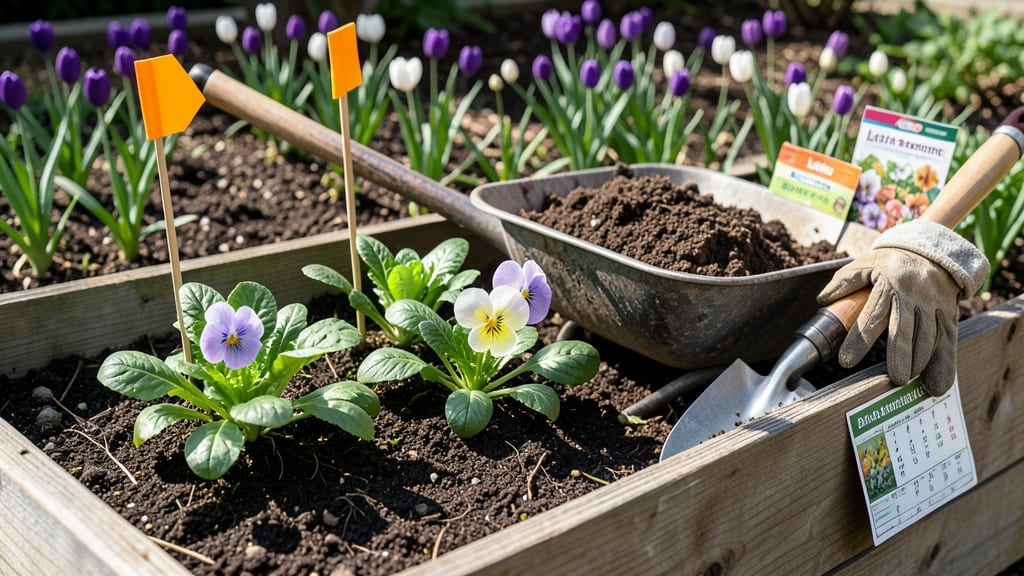
Timing your garden planting in Cleveland, Ohio isn't just about luck—it's about knowing when the last frost typically passes and how to adjust for your Zone 6a climate. Plant too early, and your tender seedlings could turn into a sad, frosty snack.
Get it right, though, and you'll be harvesting fresh 🌱 General Garden Vegetables & Flowers all summer long.
With Cleveland's unpredictable spring weather, most gardeners wait until April 15–May 15 to plant after the last frost date. But here's the secret: not all plants thrive at the same time.
Cool-season crops like spinach and peas can handle cooler temps, while tomatoes and peppers need warmer soil to really take off.
I'll break down the exact planting windows for your favorite crops, plus pro tips to extend your growing season without a greenhouse. Whether you're a first-time gardener or a seasoned green thumb, this guide will help you avoid common mistakes and maximize your harvest.
Ready to turn your backyard into a productive garden? Let's dive into the perfect planting schedule for Cleveland's short but sweet growing season.
Cleveland’s frost dates and best planting windows by season
Cleveland’s USDA Zone 6a/6b climate means your planting schedule hinges on two critical dates: the average last frost (April 15–May 15) and the first frost (October 15–November 1).
These dates create a 165-day frost-free window—just enough time to grow fast-maturing crops like bush beans or zucchini, but too short for heat-loving plants like sweet potatoes unless you extend the season.
Cool-season crops like spinach and kale thrive when planted 4–6 weeks before the last frost, while warm-season plants (e.g., tomatoes, peppers) need soil temperatures of at least 60°F (15°C)—typically after May 15.
Waiting too long risks stunted growth, but planting too early can fry seedlings in a late frost.
Here’s the key: Use row covers or cold frames to push early plantings by 2–3 weeks, or opt for fast-maturing varieties to squeeze in a second harvest before frost. For example, bush beans mature in just 50–60 days, while tomatoes need 70–85 days—so time your planting precisely.
| Season | Planting Window | Key Crops | Soil Temp Requirement |
|---|---|---|---|
| Spring | March 15–May 15 | Peas, Lettuce, Spinach, Radishes | 40–50°F (4–10°C) |
| Early Summer | May 15–June 15 | Tomatoes, Peppers, Eggplant | 60°F+ (15°C+) |
| Late Summer | July 15–August 15 | Bush Beans, Zucchini, Carrots | 55°F+ (13°C+) |
| Fall | August 15–September 15 | Kale, Broccoli, Spinach | 45–55°F (7–13°C) |
Pro tip: Monitor soil temperature with a thermometer—cool-season crops need 40–50°F soil, while warm-season plants like tomatoes won’t germinate below 60°F. If your soil is still cold in May, wait or use black plastic mulch to warm it faster.
For warm-season plants, aim to plant by June 1 to ensure harvests before frost. For example, zucchini planted on June 15 will likely mature by August 30, leaving time for a second planting of bush beans in early July.
Succession planting is your secret weapon in Cleveland’s short season!
Don’t forget microclimates: South-facing beds warm up faster, while north-facing areas stay cooler. If your garden is near a building or fence, it may stay 5–10°F warmer—ideal for early plantings of peppers or eggplant.
Use this rule of thumb: Cool-season crops (e.g., spinach, peas) can handle light frosts, while warm-season crops (e.g., tomatoes, cucumbers) will bolt or die if exposed to temps below 50°F. Always have row covers on hand for late-spring surprises.
Track Cleveland’s frost dates annually—they shift slightly due to climate change. For real-time updates, check the National Weather Service or local Cooperative Extension office. With this timeline, you’ll avoid the #1 Cleveland gardener mistake: planting tomatoes too early and watching them wilt in a late frost.
Top 5 plants to prioritize in Cleveland’s short growing season
Cleveland’s short 165-day growing season demands smart choices—focus on fast-maturing, cold-hardy plants that thrive in USDA Zone 6a/6b. These top 5 performers deliver big harvests with minimal risk, whether you’re a beginner or seasoned gardener.
Start with cool-season crops like peas and spinach, which tolerate light frosts and mature quickly. Plant them as early as March for an early harvest. These low-maintenance workhorses also deter pests naturally, reducing your workload.
Next, prioritize bush beans and zucchini—both heat-tolerant and prolific—for your warm-season garden. Sow seeds after May 15, once soil hits 60°F (15°C). Their compact growth makes them perfect for small spaces or containers.
Kale rounds out the list as a superstar cold-season crop. It sweetens after frost and stays productive until late October. Plant 3–4 weeks before last frost for a head start, and succession-sow every 2 weeks for continuous harvests.
- Peas – Plant March 1–April 15, harvest in 60 days. Cold-hardy to 20°F.
- Spinach – Sow March–September, bolt-resistant varieties like 'Bloomsdale'.
- Bush Beans – Direct-sow after May 15, ready in 50–60 days. Drought-tolerant once established.
- Zucchini – Plant May 15–June 1, produces 10+ fruits per plant. Needs space (3 ft apart).
- Kale – Start March–July, harvest until frost. Nutrient-dense and pest-resistant.
For companion planting, pair peas with carrots (they improve soil) and zucchini with nasturtiums (repels squash bugs). These low-effort combos maximize space and reduce pests without chemicals.
Pro tip: Use row covers to extend the season for spinach and kale into November. This simple trick adds 2–4 weeks of harvest time with minimal effort.