
Plants
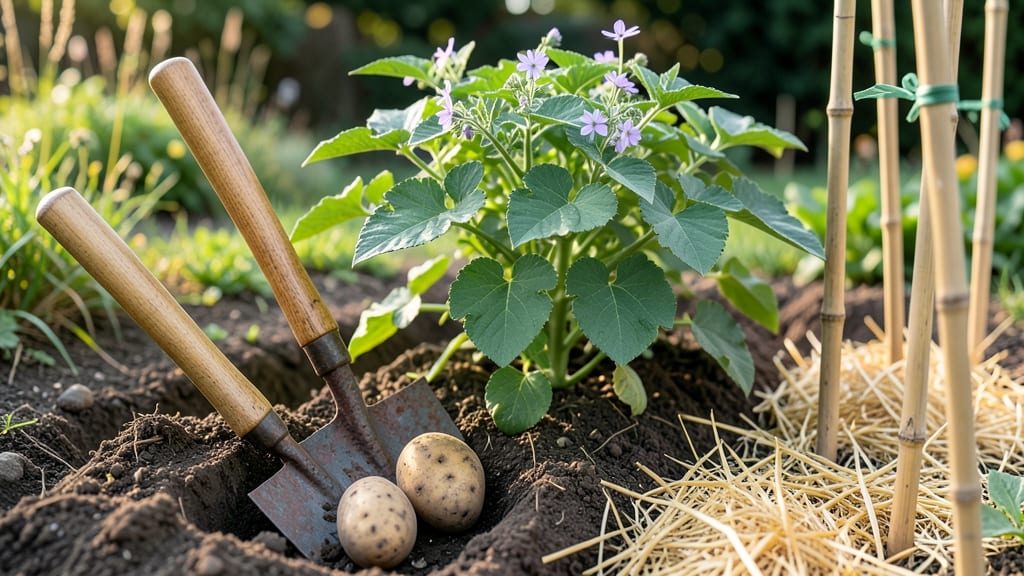
Planting potatoes in Michigan at the wrong time can mean the difference between a bountiful harvest of crisp 🥔 and wasted effort.
The key to success lies in understanding your Zone 5B-6A timeline—because waiting until the soil warms (or planting too soon) can leave your crop vulnerable to frost or disease.
Most Michigan gardeners aim to plant between mid-April and early May, but that window shifts based on your location. Northern Michigan’s cooler climate demands patience, while southern regions can start slightly earlier.
The last frost date is your best guide, but soil temperature (aim for 45°F) matters just as much.
In this guide, I’ll break down the exact planting schedule for your area, including how to prepare seed potatoes and choose the right varieties for your short Michigan growing season.
Whether you’re a first-time gardener or a veteran looking to maximize yields, these tips will help you avoid common pitfalls.
Ready to dig in? Let’s make sure your potatoes get the perfect start—so you can enjoy homegrown harvests from late June through October.
Michigan potato planting calendar: exact dates by zone 5B-6A for frost-free success
Michigan’s Zone 5B-6A climate means your potato planting window is tight—just 4-6 weeks before the last spring frost. In most years, that’s mid-April to early May, but exact dates depend on whether you’re in northern Michigan (Zone 5B) or southern Michigan (Zone 6A).
Northern areas like Traverse City typically plant 2-3 weeks later than Detroit or Ann Arbor due to colder soils.
For Zone 6A (southern Michigan), aim for April 15-30, while Zone 5B (northern Michigan) should wait until May 1-15. These windows ensure your seed potatoes sprout before frost kills tender shoots. Always check the Michigan State University Extension for your local last-frost date—it varies yearly.
Here’s the key rule: Plant when soil reaches 45°F (7°C). Use a soil thermometer to confirm—cold soil delays germination. If your soil is still frozen in early April, wait. Rushing leads to rotten tubers, not harvests.
Pro tip: Pre-sprout seed potatoes indoors 4-6 weeks before planting. Place them in a cool, bright spot (like a sunny windowsill) to encourage 1-inch sprouts. This gives you a 2-week head start on the season, critical for Michigan’s short growing window.
For late varieties (like 'Kennebec'), you can plant a second crop in early June for a fall harvest. These potatoes need 90-120 days to mature, so time it so they’re ready before the first frost (mid-October).
Use a row cover to extend the season by 2-3 weeks if needed.
Never plant potatoes in frozen or waterlogged soil. Compacted soil also stunts growth, so amend beds with compost or aged manure before planting. Aim for loamy, well-draining soil with a pH of 5.0-6.5.
Test your soil in fall or early spring—Michigan State University’s Soil Test Lab offers affordable kits.
If you’re unsure about frost dates, use the NOAA Frost Probability Tool or local Cooperative Extension offices. They provide historical frost data for your exact location. For example, Traverse City averages its last frost on May 5, while Detroit sees its last frost on April 20.
Remember: Potatoes grow best in cool weather. If summer temperatures exceed 80°F (27°C), yields drop. Choose shade-tolerant varieties like 'Adirondack Blue' if your garden gets afternoon sun. Mulch with straw or grass clippings to keep soil cool and moist.
🌱
5 Critical factors that determine your ideal potato planting time in Michigan
Michigan’s Zone 5B-6A climate creates unique challenges for potato growers. Unlike warmer regions, our late spring frosts and variable soil temperatures demand careful planning. Here are the 5 critical factors I always check before planting my seed potatoes to avoid frost damage and maximize yields.
First, soil temperature is non-negotiable. Potatoes need soil at at least 45°F (7°C) to sprout consistently. I use a soil thermometer to verify—cold soil delays germination and invites rot. In northern Michigan, this often means waiting until mid-May while southern regions can plant as early as late April.
Next, last frost dates vary dramatically across Michigan. The Michigan State University Extension provides county-specific frost maps, but I also cross-reference with NOAA’s Frost Probability Tool.
For example, Traverse City (Zone 5B) averages its last frost on May 10, while Detroit (Zone 6A) typically sees frost-free conditions by April 25.
Don’t overlook soil drainage—potatoes are sensitive to waterlogging. I perform a simple test by digging a 12-inch hole, filling it with water, and timing drainage. If water sits longer than 6 hours, I mix in compost or perlite to improve aeration.
Wet springs in Michigan (like 2023) can turn your potato patch into a rotten mess if drainage isn’t addressed.
Finally, weather forecasts are your best friend. I avoid planting during extended cold snaps (below 40°F/4°C) and prioritize stable 50°F+ (10°C+) nights for consistent growth. The National Weather Service’s 14-day outlook helps me plan around unpredictable Michigan weather patterns.
Pro tip: Use row covers if frost threatens after planting to protect young sprouts.
By mastering these 5 factors, I’ve achieved consistent harvests even in Michigan’s unpredictable climate. The key? Patience and preparation—never rush planting just to beat the calendar! 🌱