
Plants
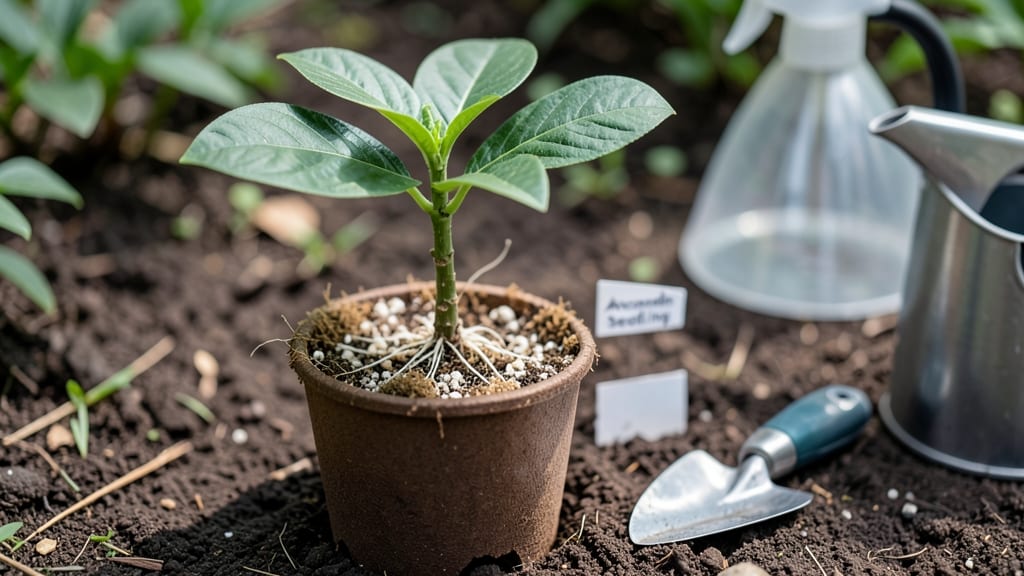
Planting an avocado seed in soil at the wrong time can mean the difference between a thriving 🥑 sapling and a sad, mushy failure.
The key isn't just waiting for spring—it's understanding when your seed is truly ready to transition from water to soil, and how your local climate plays a role.
If you've been watching your seed develop roots in water, you might be eager to plant it—but rushing too soon can drown those delicate roots. I'll show you exactly when to make the move, whether you're in a warm tropical zone or a cooler climate where indoor starting becomes essential.
Temperature matters more than you think: soil that's too cold will stall germination, while heat speeds things up. We'll cover the perfect conditions for your region, plus how to prep your soil and container for maximum success.
By the end, you'll know not just when to plant your avocado seed, but how to give it the best possible start. Let's get those roots growing the right way!
Optimal germination conditions: when to plant avocado seeds in soil
Timing your avocado seed planting is critical because these seeds need warmth and moisture to trigger germination. The best time to plant is when your seed has developed a 1-2 inch root (often called the "toothpick stage") and shows signs of green shoot growth.
This usually takes 4-8 weeks after starting your seed in water.
For indoor starters, aim to plant in late winter to early spring (February-March) when indoor temperatures consistently stay above 65°F (18°C). This gives your seedling time to establish roots before outdoor temperatures rise.
If you're planting outdoors in tropical or subtropical zones (USDA 10-12), you can plant as early as January when soil temperatures exceed 60°F (15°C).
Outdoor planting in cooler climates (USDA 8-9) should wait until after the last frost date and when nighttime temperatures stay above 55°F (13°C). Use a soil thermometer to confirm—avocado seeds need consistent warmth to avoid stunted growth.
In Zone 7 or colder, consider starting seeds indoors and transplanting after May 15th.
| Climate Zone | Ideal Planting Window | Soil Temp Requirement | Key Germination Trigger |
|---|---|---|---|
| Tropical (USDA 10-12) | January-February | 60°F+ (15°C+) | Root development to 1 inch |
| Subtropical (USDA 9) | March-April | 65°F+ (18°C+) | Green shoot emergence |
| Temperate (USDA 7-8) | May-June (after frost) | 70°F+ (21°C+) | 2-inch root system |
| Indoor (Any Zone) | February-March | 68°F+ (20°C+) | Root hairs visible |
Watch for these three key signs your avocado seed is ready for soil: roots 1-2 inches long, a green shoot emerging from the top, and root hairs forming along the roots.
If your seed sits too long in water, it may develop bacterial rot—plant it immediately if you see dark, mushy roots. For outdoor planting, wait until nighttime temperatures stay above 55°F (13°C) to avoid transplant shock.
In cooler regions, use a heat mat ($15-$25) under your seedling tray to maintain 70°F (21°C) soil temperatures. Place your container near a south-facing window or under grow lights for 12-14 hours of light daily.
Avocado seeds are sensitive to temperature fluctuations, so avoid placing them near drafty windows or air vents during germination.
Pro tip: If you're in Zone 5 or colder, start seeds indoors in February and transplant after June 1st when soil temperatures exceed 65°F (18°C).
Use a black plastic mulch to warm the soil 5-10°F faster than bare ground. Monitor your seedling's progress—healthy roots should grow ½ inch per week once planted.
Remember, patience is key with avocado seeds. Germination can take 2-12 weeks depending on conditions. Keep your soil moist but not soggy and maintain high humidity (70%+) with a clear plastic dome or daily misting.
Once your seedling reaches 6 inches tall, it's ready for its permanent container or outdoor bed.
For tropical climates, you can plant avocado seeds year-round, but aim for rainy season (May-October) when natural moisture levels are ideal. In dry climates, plant during late summer to take advantage of cooler nights and morning dew, which reduce water stress on young roots.
🌱
Optimal germination conditions: when to plant avocado seeds in soil
Timing your avocado seed planting is all about biological readiness and environmental conditions. Unlike many seeds, avocado pits require pre-sprouting before soil planting—typically 4-8 weeks after toothpick insertion. This pre-germination phase ensures the seed has developed strong roots and a stable stem before facing soil stress.
For indoor starters, plant your pre-sprouted seed when you see 1-2 inches of white roots emerging. This usually happens 6-12 weeks after toothpick insertion, depending on warmth and humidity. Outdoor planting, however, waits for spring soil temperatures above 65°F (18°C)—critical for avoiding root rot in cooler climates.
In tropical climates (Zones 10-11), you can plant directly outdoors year-round, but spring (March-May) remains ideal for balanced growth. For cooler regions (Zones 7-8), start seeds indoors 8-10 weeks before last frost, then transplant after soil warms—typically late May.
This timing aligns with avocado’s natural blooming cycle, ensuring energy isn’t wasted on winter dormancy.
Pro tip: Use a soil thermometer to confirm 65°F+ before planting outdoors. Cold soil slows root growth and invites fungal infections. If your region has unpredictable springs, err on the side of waiting—avocado seeds are resilient but hate soggy conditions.
Never plant a dry or shriveled seed—it won’t germinate. Always soak the pit for 24 hours before toothpick insertion to hydrate the seed coat. This step is non-negotiable for breaking dormancy.
🌱