
Plants
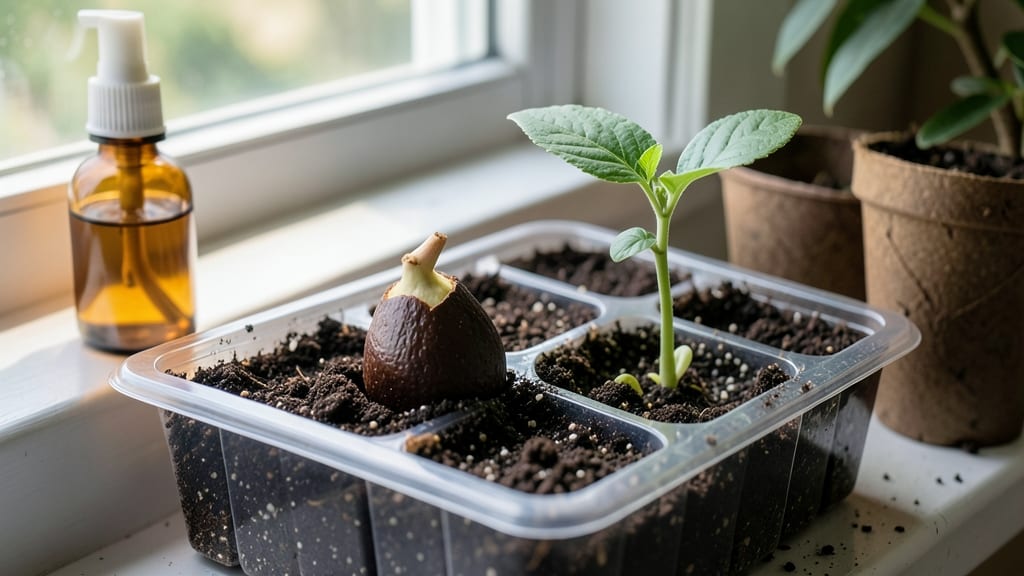
Planting an avocado seed 🥑 in soil at the wrong time can mean the difference between a thriving houseplant and a sad, wilted disappointment. The key isn't just about sticking it in dirt—it's about waiting for the perfect germination triggers that tell you it's ready for the next stage.
Most gardeners make the mistake of rushing the process, but your avocado seedling needs specific conditions to thrive. Whether you're in Zone 6 or a warmer climate, understanding the ideal timing—like waiting for those first sturdy roots—makes all the difference.
I’ll break down exactly when to plant based on your local climate and how to spot the signs your seedling is ready for soil.
Think you can just plant it anytime? Think again. The best results come from planting after the seed has developed strong roots and a small stem—usually 4-6 weeks after starting the germination process.
This guide will show you how to time it right, no matter where you live, so you can grow a healthy avocado tree instead of a failed experiment.
From tropical zones where you can plant year-round to cooler climates like Zone 6, where timing matters even more, I’ll cover everything you need to know. Let’s get your avocado seed off to the right start—because patience now means a bigger, stronger plant later.
How long to wait before planting avocado seeds in soil (germination timeline)
Planting an avocado seed too soon can drown its delicate roots, while waiting too long risks stunted growth. The key is watching for 3 critical germination stages that signal it’s ready for soil. Most seeds take 2-8 weeks to reach this point, depending on temperature and moisture.
First, you’ll notice a 1-2 inch white root emerging from the seed’s bottom. This root grows 1/4 inch per day when conditions are ideal—warmth (70-85°F) and consistent moisture. At this stage, the seed is still too fragile for soil and should remain in water.
Next comes the green shoot breaking through the seed’s top. This shoot will unfurl into the seedling’s first 2 cotyledon leaves (the seed leaves). These leaves are your cue that the seedling is photosynthesizing independently, but it’s still not ready for soil.
Here’s the golden rule: Wait until the seedling has at least 2-3 inches of stem and 4-6 true leaves (not cotyledons). True leaves look like miniature avocado leaves—dark green, glossy, and serrated edges.
This usually takes 6-12 weeks total from when you first planted the seed in water.
The seedling’s roots will now be 1-2 inches long and thicker than a pencil lead. These roots are strong enough to handle soil, but they’ll need well-draining potting mix to prevent rot. Avoid planting if the stem feels soft or mushy—this indicates overwatering or disease.
🌱 Step-by-Step Germination Timeline
- Week 1-2: Root emergence (1-2 inch white root). Keep in water.
- Week 3-4: Green shoot breaks through. Still no soil.
- Week 5-6: Cotyledon leaves appear. Not ready yet.
- Week 6-12: True leaves (4-6) + 2-3 inch stem = SOIL READY!
Once your seedling hits the soil-ready stage, act fast—delaying beyond this point can cause transplant shock. Choose a 6-inch pot with drainage holes and fill it with a mix of potting soil, perlite, and compost (ratio: 60/20/20).
Plant the seedling 1 inch deep, firming the soil gently around the stem.
After planting, water thoroughly and place the pot in bright, indirect light for the first week. Avoid direct sun, which can scorch the tender leaves. Gradually introduce full sun over 2 weeks to harden the seedling. Remember: Patience is key—rushing this step often leads to failure.
In my experience, seedlings planted at this stage grow 1-2 inches per month when given proper care. The first 3 months are critical for root establishment, so monitor soil moisture closely—never let it dry out completely but avoid soggy conditions.
With the right timing, your avocado seedling will thrive and reach 1-2 feet tall by its first birthday.
Pro tip: Label your pot with the planting date and track growth weekly. This helps you adjust care as the seedling matures. For example, if growth stalls after 2 months, it may need more sunlight or nutrients. 🌿
Best months to plant avocado seeds by USDA climate zones (Zone 4-11 guide)
Timing your avocado seed’s soil transfer depends entirely on your USDA hardiness zone. In warmer climates like Zone 9-11, you can plant year-round, while cooler zones like Zone 4-6 demand precise spring windows. Even indoor growers should align planting with natural light cycles to avoid leggy seedlings.
Avocado seeds thrive when soil temperatures stay above 60°F (15°C). In colder zones, wait until after the last frost—typically late April or May—to avoid stunted growth. For example, Zone 6 gardeners should aim for May planting, while Zone 10 can start anytime.
- 🌡️ Zone 4-6 (Coldest): Late May–early June (after frost + soil >60°F)
- 🌡️ Zone 7-8 (Temperate): April–June (spring) or September (fall)
- 🌡️ Zone 9-11 (Tropical): Year-round (indoors/outdoors)
In Zone 7-8, fall planting (September) works if temperatures stay above 55°F (13°C). Use a heat mat for indoor seeds in cooler months to mimic ideal conditions. Outdoor growers in Zone 9-11 can plant anytime, but spring (March–May) yields faster growth due to longer daylight.
Climate fluctuations are critical—sudden cold snaps can kill young seedlings. If you’re in Zone 4-6, start seeds indoors 8–10 weeks before the last frost, then transplant after roots reach 3–4 inches. For Zones 9–11, direct-sow outdoors in well-draining soil with mulch to retain warmth.
Pro tip: Use a thermometer to monitor soil temps. Avocado seeds need consistent warmth—if your zone dips below 50°F (10°C), delay planting until conditions stabilize. Patience here prevents root rot and ensures sturdy stems.
For indoor growers, align planting with your home’s light cycle. A south-facing window provides optimal 6+ hours of sunlight—critical for avoiding weak, etiolated seedlings. Adjust timing based on your location’s natural light shifts, especially in winter.