
Plants
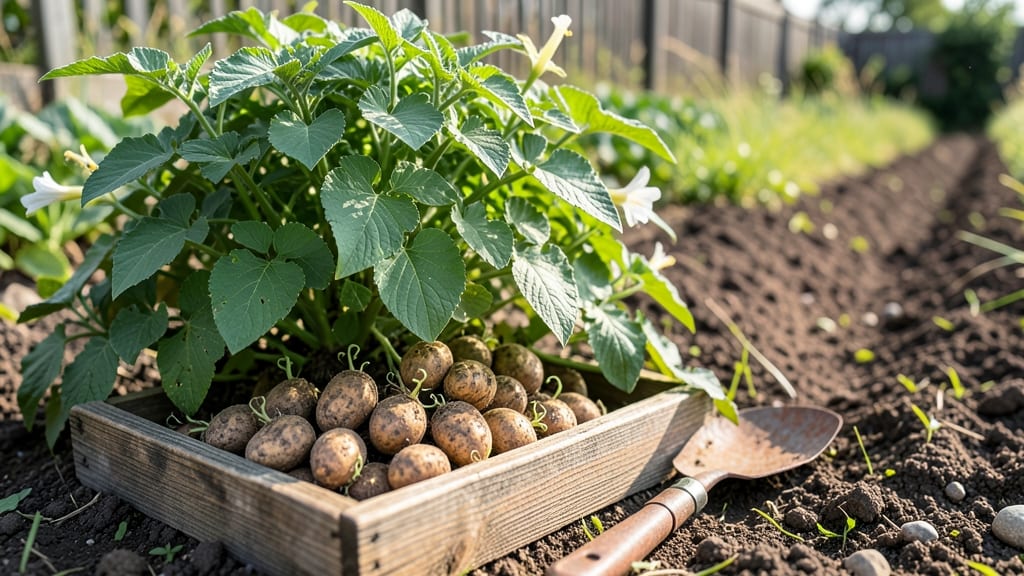
Florida’s ideal potato planting windows: coastal vs inland microclimates
Florida’s climate throws a curveball at potato growers—what works in coastal Miami fails miserably in inland Gainesville. The key difference? Soil temperature and humidity levels that push potatoes toward bolting (flowering prematurely) or stunted growth. Let’s break down the optimal planting windows for your region.
In coastal Florida (Zones 10-11), where summer heat lingers year-round, potatoes thrive when planted in late summer to early fall. This timing lets tubers mature before hurricane season disrupts growth. Meanwhile, inland Florida (Zones 8-9) enjoys cooler winters, making fall and early spring the sweet spot for zero-bolt harvests.
Here’s the golden rule: Plant potatoes when soil temperatures hit 50–60°F and stay consistent. Coastal areas hit this mark in September–October, while inland regions can start as early as February–March or again in August–September for a fall crop.
For coastal gardeners, focus on early-maturing varieties like ‘Red LaSoda’ (70 days) to beat the heat. Inland growers can stretch their season with late varieties like ‘Yukon Gold’ (90 days) planted in August for a fall harvest.
Pro tip: Use a soil thermometer to confirm readiness. Coastal soils often stay too warm in summer, while inland areas may still be chilly in early February. Wait until the ground consistently holds 50°F+ for 10+ hours/day.
Another Florida-specific hack? Black plastic mulch raises soil temps by 5–10°F, letting coastal growers plant 2 weeks earlier in fall. Just remove it before harvest to avoid tuber discoloration.
Timing isn’t just about months—it’s about microclimates. A shady backyard in Palm Beach may need a later start than a sunny Orlando garden. Observe your space for 2–3 years to pinpoint the perfect window.
Remember: Florida potatoes bolt when stressed by heat or drought. Coastal areas face this in June–July, while inland regions risk it in April–May if rains stall. Plan accordingly!
Once you’ve locked in your window, prep your soil with compost and aged manure—Florida’s sandy soils need organic matter to hold moisture and nutrients. Test your pH too; potatoes prefer 5.0–6.5.
How to time your planting for zero-bolt potatoes in Florida’s heat
Florida’s intense summer heat can turn your potato crop into bitter, flowering tubers faster than you can say “zero-bolt.” To avoid this, timing is everything—especially when selecting varieties and using heat-mitigation tricks.
The key is planting when soil temperatures stay below 75°F and using shade or mulch to keep roots cool. Let’s break down the best strategies for Florida gardeners.
First, choose early-maturing varieties like Red Pontiac or Yukon Gold, which handle heat better than late-season types. These varieties can go from seed to harvest in 70–90 days, giving you a window to beat the bolting trigger.
Plant them in late winter to early spring (February–March) for inland areas or fall (September–October) in coastal zones where summer heat lingers.
🌱 Pro Tip: Use black plastic mulch to warm soil faster in spring or straw mulch to cool roots in summer. This simple trick can shave weeks off your growing season and prevent bolting.
5 Key Steps to Avoid Bolting in Florida Heat
- 🌱 1. Plant Early: Start seeds indoors in January or direct-sow in February–March (inland) or September–October (coastal).
- 🌡️ 2. Monitor Soil Temps: Use a soil thermometer—ideal range is 50–65°F for planting. Wait if temps rise above 75°F.
- 🌿 3. Use Shade Cloth: Cover young plants with 30–50% shade cloth during peak afternoon sun (12–4 PM) to reduce stress.
- 💧 4. Water Deeply: Keep soil consistently moist but avoid waterlogging. Drip irrigation works best to prevent uneven moisture.
- 🌱 5. Harvest Fast: Pull tubers as soon as they reach 2–3 inches in size to avoid bolting. Store extras in a cool, dark place.
Another trick is to plant potatoes in raised beds with well-draining soil. This helps regulate temperature and prevents the soil from getting too hot. Add compost or aged manure before planting to boost fertility and help tubers form faster.
Avoid fresh manure—it can cause scab disease, a common issue in Florida’s humid climate.
If you’re in a coastal area, like Miami or Fort Myers, focus on fall planting (August–September) to take advantage of cooler temperatures. Inland areas (Orlando, Gainesville) can plant as late as March–April without risking bolting. Just remember: the cooler the soil, the sweeter the spuds!
Finally, keep an eye on your plants for signs of stress, like yellowing leaves or premature flowering. These are red flags that your potatoes are bolting. If you catch it early, you might still salvage a harvest—but prevention is always better than cure.
With the right timing and care, you’ll enjoy crisp, zero-bolt potatoes all season long!