
Plants
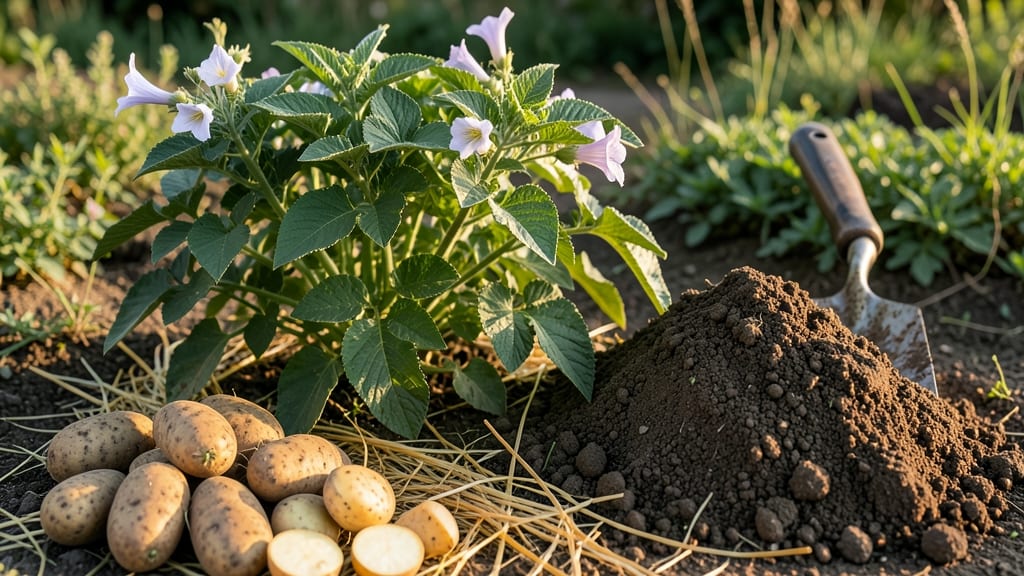
Best planting months for potatoes in Florida by variety (avoiding bolting)
Florida’s frost-free climate lets you grow potatoes year-round, but timing matters to prevent bolting (premature flowering). The key is planting when soil temps stay between 50°F and 75°F—too hot or cold stresses plants into flowering early.
In North Florida (Zones 8a-9a), focus on fall/winter planting; in South Florida (Zones 10a-11), spring/fall works best for most varieties.
Potatoes bolt when stressed by heat or drought, turning bitter and inedible. Florida’s summer heat (85°F+) triggers bolting in just 2-3 weeks, while winter chills (below 50°F) slow growth. The solution? Variety selection and seasonal planting tailored to your zone.
🥔 Florida Potato Planting Guide by Variety & Season
| Variety | Type | Best Planting Months (North FL) | Best Planting Months (South FL) | Days to Maturity | Heat Tolerance |
|---|---|---|---|---|---|
| Red LaSoda | Early | September–October | January–February | 90–100 days | Moderate |
| Yukon Gold | Mid-Season | October–November | February–March | 100–110 days | Low |
| Purple Majesty | Late | November–December | March–April | 110–120 days | High |
| Yampa | Heat-Tolerant | April–May (with shade) | June–July (shade required) | 80–90 days | Very High |
⚠️ Note: Summer planting (June–August) risks bolting unless using Yampa or providing 30–50% shade cloth. Always chit potatoes (sprout indoors) before planting for faster growth.
For North Florida (Zones 8a-9a), aim to plant 2–4 weeks before your average last frost date (typically mid-November for fall crops and early January for winter). This gives tubers time to form before spring heat arrives.
In South Florida (Zones 10a-11), where frost is rare, focus on January–February and September–October plantings to avoid summer bolting.
Heat-tolerant varieties like Yampa can handle summer planting (June–July), but they need afternoon shade and consistent moisture. I’ve had success growing Yampa under 30% shade cloth in Orlando’s 90°F+ summers, harvesting in 90 days without bolting.
For cooler seasons, Purple Majesty and Yukon Gold thrive in 50°F–70°F soil, ideal for fall/winter.
Pro tip: Use a soil thermometer to confirm temps are 50°F+ before planting. Cold soil delays sprouting, while temps above 80°F trigger bolting. In South Florida, I plant Red LaSoda in January for a spring harvest and Yukon Gold in September for a winter crop.
This staggered approach ensures continuous harvests.
If you’re in Central Florida (Zone 9a), split your planting into two batches: one in October (harvest March–April) and another in February (harvest June–July). This avoids summer heat stress
How to time your potato planting for zero-bolt success (step-by-step guide)
Timing your potato planting in Florida isn’t just about avoiding frost—it’s about dodging heat-induced bolting and soil stress. Since Florida has no frost, focus on soil temperatures and variety maturity instead. Here’s my foolproof method to calculate planting windows for zero-bolt harvests, tailored to Florida’s unique climate zones.
Start by checking soil temperatures with a thermometer. Potatoes thrive when soil stays between 50°F and 75°F. In North Florida (zones 8a-9a), aim for September–November or February–March plantings. South Florida (zones 10a-11) can plant year-round, but avoid June–August unless you use shade cloth.
Next, chit your seed potatoes 2–4 weeks before planting. Place them in a cool, bright spot (like a sunny windowsill) to sprout 1-inch stems. This jumpstarts growth and compensates for Florida’s slow soil warming in spring. For summer plantings, chitting is critical to outpace heat stress.
🌱 Numbered Highlights: Florida Potato Planting Timeline
- Step 1: Test soil (aim for 50°F–75°F). Use a soil thermometer 6 inches deep.
- Step 2: Chit seed potatoes 2–4 weeks before planting. Place in cool, bright light.
- Step 3: Plant 4–6 weeks before first signs of heat stress (leaf yellowing).
- Step 4: Mulch heavily (straw or grass clippings) to keep soil cool and moist.
- Step 5: Harvest when foliage yellows and dies back (usually 90–120 days after planting).
💡 Pro Tip: For summer plantings, use shade cloth (30–50%) to reduce soil temps by 10–15°F.
For urban gardeners, adjust timing based on microclimates. South-facing walls or paved areas heat up faster, so plant 2–3 weeks earlier than rural areas. Containers dry out quicker, so water daily in summer and use self-watering pots if possible.
Finally, stagger plantings every 2–3 weeks for a continuous harvest. For example, plant Red LaSoda in September, Yukon Gold in November, and Purple Majesty in February. This spreads out your harvest and reduces bolting risks during peak heat.
By following these steps, you’ll avoid the bitter, green-tinged tubers that result from bolting and enjoy sweet, floury potatoes all year. The key? Cool soil + patient timing—Florida’s secret to potato perfection.