
Plants
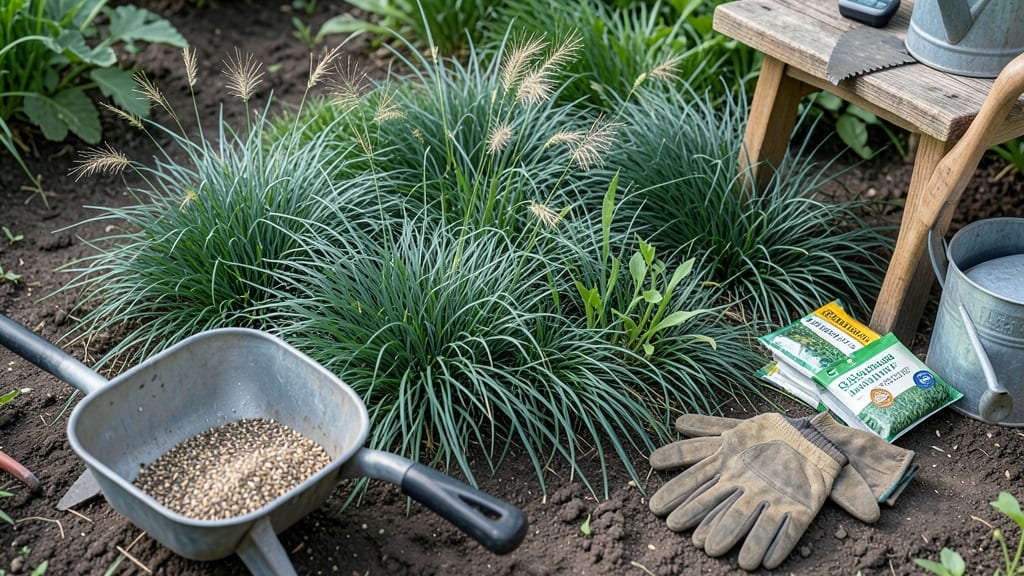
Utah’s ideal grass seed planting window: cool-season timing explained
Utah’s cool-season climate creates a narrow but critical window for planting grass seed. Unlike warmer regions, Utah’s high desert and mountain zones demand precise timing to avoid heat stress in summer or frost damage in winter.
The sweet spot? March-April and September-October—when soil temperatures hover between 50°F and 65°F, perfect for germination.
Cool-season grasses like Kentucky bluegrass and tall fescue dominate Utah lawns because they thrive in these moderate temperatures. Planting in late summer or early spring gives seedlings time to establish roots before extreme weather hits.
In higher elevations (e.g., Park City), aim for May planting to avoid early snow, while low desert areas (e.g., St. George) can extend the window to November.
Here’s why these months work best: March-April offers consistent moisture from melting snow and lengthening daylight, while September-October provides cooler air and reduced weed competition. Avoid planting in June-August—Utah’s 100°F+ heat dries out seeds before they sprout, and winter planting risks frost killing tender seedlings.
| Planting Window | Soil Temp (°F) | Key Conditions | Utah Regions |
|---|---|---|---|
| March-April | 50-65°F | Melting snow, 6+ sun hours | Valleys (Salt Lake, Provo) |
| September-October | 55-70°F | Cooler nights, reduced weeds | Mountains (Park City, Ogden) |
| May (High Elevations) | 45-60°F | Post-snowmelt, consistent rain | Wasatch Back, Logan |
| November (Low Desert) | 60-75°F | Mild temps, minimal frost | St. George, Hurricane |
🌱 Pro Tip: Check soil temps with a soil thermometer—germination stalls below 50°F.
Microclimates complicate Utah’s planting schedule. Mountain regions (USDA zones 5b-7a) experience earlier frosts and cooler soils, while valleys like Salt Lake City (zone 6b) have longer growing seasons.
For example, Ogden’s first frost often hits by October 15, leaving just 4-6 weeks for fall planting—plant by September 15 to avoid risk.
Soil temperature is your best indicator of readiness. Use a soil thermometer to confirm 50°F+ at 4-inch depth. In low desert areas, wait until evening temps drop below 90°F to prevent seed dehydration. High-elevation gardens should test for consistent daytime temps above 55°F before sowing.
Utah’s alkaline soils (pH 7.5-8.5) can delay germination if not amended. Before planting, test your soil and adjust pH to 6.0-7.5 using sulfur or peat moss. Cool-season grasses need well-aerated soil, so avoid planting after heavy rains—compacted clay smothers seeds.
Instead, wait for 2-3 days of dry weather after rain to ensure proper seed-to-soil contact.
Overseeding existing lawns? Late summer (August-September) is ideal because established grass provides shade for seedlings. Mow your lawn short (1-1.5 inches) 2-3 days before planting to expose soil, then rake away debris to create a smooth seedbed.
For new lawns, till the soil to 3-4 inches deep to break up compaction and mix in compost for nutrients.
Watering is non-negotiable. Newly planted grass needs 1/4 inch of water daily for the first 2 weeks—use a rain gauge to track moisture. Utah’s low humidity and windy conditions increase evaporation, so water early morning (6-9 AM) to minimize loss.
After establishment, reduce to 1-1.5 inches per week, focusing on deep, infrequent watering to encourage deep roots.
Utah’s ideal grass seed planting window: cool-season timing explained
Utah’s cool-season climate creates two perfect windows for planting grass seed: early spring (March-April) and fall (September-October). These periods offer moderate soil temperatures (50-65°F), reducing stress on seedlings while avoiding summer heat or winter dormancy.
In Salt Lake City (Zone 6b), aim for March 15-April 30 or September 15-October 15, while St. George (Zone 8a) can extend fall planting to November 1.
Cool-season grasses like Kentucky bluegrass and tall fescue thrive in Utah’s 4-6 weeks before first frost window.
Planting in late summer (August) risks heat stress, while late fall (November) leaves seedlings vulnerable to winter dieback. Soil temperature, not air temperature, determines germination success—use a soil thermometer to confirm readiness.
| Planting Window | Soil Temp (°F) | Grass Types | Utah Regions |
|---|---|---|---|
| Early Spring (March-April) | 50-65°F | Kentucky bluegrass, Fescue | All (best for high elevation) |
| Fall (September-October) | 55-70°F | Ryegrass, Tall Fescue | Valleys (St. George) |
| Avoid Summer (June-August) | >75°F | Warm-season only (Bermuda) | Southern Utah |
Utah’s microclimates demand flexibility. Mountain regions (e.g., Park City) have shorter growing seasons—prioritize early spring planting by April 15 to avoid June snowmelt.
Meanwhile, low-elevation valleys (e.g., St. George) can plant late into fall due to warmer soil retaining heat longer. Test soil moisture weekly: dry conditions in May-June may require drip irrigation to maintain germination.
For new lawns, focus on March-April to establish roots before summer heat. Overseeding existing lawns in September leverages fall rains and cooler temps, reducing watering demands. Warm-season grasses like Bermuda can be planted in late spring (May-June) in southern Utah, but cool-season varieties dominate northern Utah lawns.
Pro tip: Mulch seed with straw to conserve moisture—critical in Utah’s low-humidity environment. Monitor daily watering for 2 weeks post-planting, then adjust to deep, infrequent watering (1/2 inch per week). USU Extension recommends 1/4 inch daily for the first 10 days to prevent crusting.
Timing isn’t just about months—it’s about soil conditions. Wait until soil is workable (not muddy) and weeds are controlled. Pre-emergent herbicides should be applied 4-6 weeks before planting to prevent weed competition. Fall planting benefits from natural weed suppression as grass outcompetes annuals in cooler temps.