
Plants
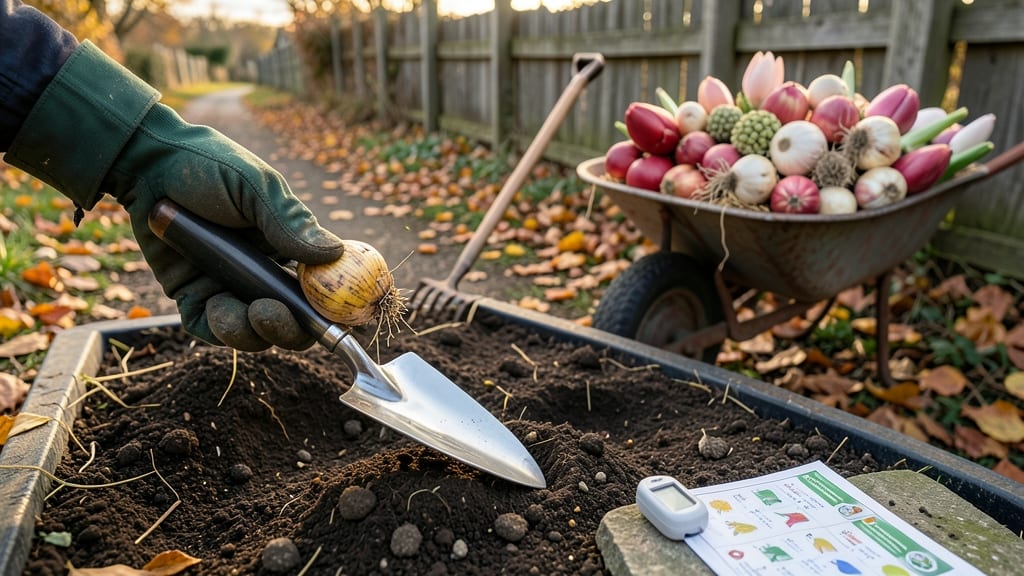
Timing your fall bulb planting is the key to unlocking vibrant spring blooms—so knowing the exact weeks before frost can make all the difference.
In USDA Zone 6a, where the first frost typically arrives in mid-November, planting your 🌱 bulbs 6-8 weeks beforehand gives them the perfect window to establish strong roots before winter sets in.
You might think early planting is better, but rushing it can leave bulbs vulnerable to rot or frost heave. The ideal timing balances cool soil temperatures with enough warmth for root growth—usually between late September and early October.
This critical window ensures your tulips, daffodils, and crocuses wake up ready to bloom in spring, not struggling to catch up.
What happens if you plant too late? Bulbs may not develop the deep roots they need, leading to weak stems and fewer flowers. But don’t worry—we’ll walk you through the best practices for soil prep, depth, and even how to adjust for your specific climate.
Whether you’re a first-time gardener or a seasoned pro, these tips will help you avoid common mistakes and set your garden up for success.
Ready to transform your fall planting into a spring spectacle? Let’s dive into the exact steps to time your bulbs perfectly—so you can enjoy a burst of color when it matters most.
Exact fall planting timeline by US hardiness zones: weeks before frost for perfect root development
Planting bulbs in the fall is all about timing—specifically, the 6-8 weeks before your first frost date. This window gives bulbs like tulips, daffodils, and crocuses enough time to establish strong roots before the ground freezes. Miss this window, and you risk weak growth or no blooms next spring.
Your USDA Hardiness Zone determines the exact planting window. For example, gardeners in Zone 3 (coldest climates) have just 4-6 weeks before frost, while those in Zone 10 (mild winters) can plant as late as December.
Let’s break down the ideal planting dates for each zone to ensure your bulbs thrive.
🌱
| USDA Zone | First Frost Date | Planting Window | Soil Temp Goal | Ideal Month |
|---|---|---|---|---|
| 3-4 | Late September | Late August - Early September | 50-60°F | August-September |
| 5-6 | Mid-October | Mid-September - Early October | 55-65°F | September-October |
| 7-8 | Late November | October - Early November | 60-70°F | October-November |
| 9-10 | December (or no frost) | November - Early December | 65-75°F | November-December |
If you’re unsure about your frost date, check the USDA Plant Hardiness Zone Map or use a local weather app.
For example, in Zone 6a (like much of the Midwest), aim to plant between mid-September and early October—this gives bulbs enough time to root before the ground freezes in mid-November.
For warm-climate zones (9-10), you can plant later, even in December, since frost is rare. However, avoid planting when soil temperatures exceed 75°F, as this can cause bulbs to sprout too early and rot.
🌡️
Soil temperature is just as critical as frost dates. Bulbs need cool soil (60°F or lower) to trigger root growth. Use a soil thermometer to check—if it’s above 70°F, wait a few weeks before planting. In hot climates, watering the soil deeply before planting can help lower temperatures.
Pro tip: If you’re in a transition zone (like Zone 7b), err on the earlier side. Planting in late September ensures bulbs establish roots before unpredictable late frosts. For northern zones (3-5), don’t wait past early October, or bulbs may not root deeply enough.
🌿
Once you’ve nailed the timing, focus on soil prep. Loosen the soil to 12 inches deep and mix in compost or aged manure to improve drainage. Bulbs rot in soggy soil, so avoid planting in low-lying areas where water pools.
If your soil is heavy clay, amend it with sand or perlite to create a well-draining environment.
After planting, apply a 2-3 inch layer of mulch (like straw or shredded leaves) to insulate the soil and protect bulbs from temperature swings. This is especially important in Zone 4 and colder, where winter temperatures can drop below 0°F.
5 Critical factors that determine your bulb planting success (beyond just timing)
Planting bulbs at the right time is just the first step—your bulbs need the perfect conditions to develop strong roots before winter sets in. I’ve learned that soil temperature, moisture levels, and bulb selection play equally important roles in ensuring vibrant spring blooms.
Let me break down the 5 critical factors that often get overlooked but make all the difference.
First, soil temperature is non-negotiable. Bulbs need soil that’s cool—ideally between 50°F and 60°F—to trigger root growth without encouraging premature sprouting. In warmer climates like Zone 8 or 9, this might mean waiting until late October, while colder zones like 3 or 4 can plant as early as September.
Use a soil thermometer to check if you’re unsure.
Next, moisture levels must stay consistent. Bulbs need deep but infrequent watering—think of it like giving them a long drink rather than a daily sip. Overwatering can rot bulbs, while underwatering stunts root growth.
Aim for 1 inch of water per week until the ground freezes, then reduce to prevent soggy soil. A moisture meter helps here too.
Cool soil (50°F-60°F) triggers root growth without sprouting too early.
Deep watering (1 inch/week) until frost—avoid soggy soil.
Hardy bulbs (daffodils, tulips) vs. tender (hyacinths, lilies) need different care.
Full sun (6+ hours) for best blooms; partial shade extends bulb life.
Mulch (2-3 inches) after planting to insulate roots and retain moisture.
Don’t overlook bulb selection—some varieties are hardier than others. For example, daffodils and crocuses thrive in colder climates, while hyacinths and lilies prefer milder winters. Check the USDA zone recommendations on your bulb packages to match your climate.
I’ve had the best luck with tulips and alliums in Zone 6a, as they balance hardiness and vibrant blooms.
Sunlight exposure is another game-changer. Most bulbs need full sun (6+ hours daily) to produce their best blooms, but some like woodland phlox tolerate partial shade. If your garden is shady, choose bulbs labeled as shade-tolerant to avoid disappointment. I’ve seen tulips in partial shade produce fewer flowers, so placement matters just as much as timing.
Finally, post-planting care seals the deal. After planting, add a 2-3 inch layer of mulch (straw or shredded leaves work well) to insulate roots and retain moisture. Avoid heavy mulch that could smother bulbs, and remove it in early spring to let sunlight warm the soil.
I’ve noticed that mulched bulbs emerge 2-3 weeks earlier than unmulched ones—worth the effort!
Master these five factors, and you’ll set your bulbs up for a showstopping spring display. The key is consistency: watch soil temps, water wisely, and choose the right bulbs for your zone. With these steps, your garden will be bursting with color long before summer arrives! 🌷