
Vegetables
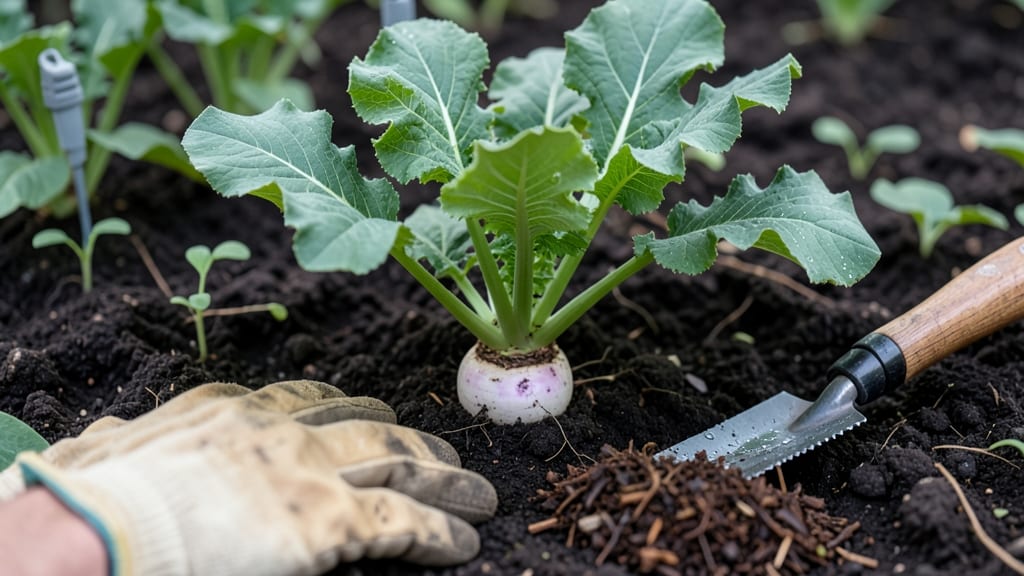
If you’ve ever wondered why your fall turnips taste bitter or turn woody, the answer lies in one simple timing mistake—planting them too late. That crisp, sweet flavor you crave only develops when you follow the 4-week pre-frost window, and missing it can turn your harvest into disappointment.
Whether you’re a backyard gardener or a container grower, getting this right makes all the difference.
Here’s the secret: Turnips 🥬 thrive when planted 4-6 weeks before your first frost, giving them just enough time to mature before winter sets in. In USDA Zone 6a (where frost typically arrives around mid-October), that means seeding them in early to mid-September.
But timing isn’t just about dates—it’s also about soil temperature, variety choice, and even companion plants that can boost your yield.
I’ve learned the hard way that rushing the process leads to tough roots, while planting too early can result in bolting (when turnips flower and go to seed). The key is balance: a cool but stable soil and a harvest window of 60-70 days before frost.
Let me show you exactly how to nail this window—plus, how to stretch your harvest with smart succession planting.
From soil prep to avoiding common pitfalls, this guide will help you grow the sweetest, most tender turnips of the season. No more guesswork—just a foolproof plan for a fall garden you’ll love digging into.
The exact 4-Week fall planting window for turnips by USDA Zone
Timing your fall turnip planting is all about catching that 4-week window before the first frost. This sweet spot ensures roots mature before winter's chill sets in, delivering the sweetest, most tender turnips of the season.
But the exact dates depend on where you live—USDA zones vary dramatically from the cool northern climates to mild southern regions.
To nail your planting schedule, start by checking your average first frost date. Most regions experience their first frost between mid-October and early November, but this shifts north to south.
For example, gardeners in Zone 3 might see frost as early as September 20th, while those in Zone 10 could delay planting until November 15th.
Here’s the golden rule: Plant turnips 4-6 weeks before your first frost date. This window gives roots enough time to reach 2-3 inches in diameter—the ideal size for harvest. Miss it, and you risk bitter, woody roots or a harvest ruined by early frost.
Soil temperature also plays a critical role. Turnip seeds need soil temps between 45°F and 85°F to germinate properly. If you plant too early in cool northern zones, slow germination can delay your harvest.
Conversely, planting too late in warm southern zones might push roots to mature too quickly, reducing sweetness.
| USDA Zone | First Frost Date | Ideal Planting Window | Soil Temp Threshold |
|---|---|---|---|
| 3-4 | September 20 - October 5 | August 20 - September 10 | 50°F - 70°F |
| 5-6 | October 10 - October 25 | September 10 - September 25 | 45°F - 75°F |
| 7-8 | October 25 - November 10 | September 25 - October 15 | 50°F - 80°F |
| 9-10 | November 15 - December 1 | October 15 - November 1 | 55°F - 85°F |
🌱 Pro Tip: Use a frost calendar for your region to fine-tune dates.
For gardeners in Zones 3-4, aim to plant between mid-August and early September. This gives turnips enough time to mature before the ground freezes. In Zones 5-6, you’ve got a bit more flexibility, with planting windows stretching from mid-September to early October.
In warmer southern zones (7-10), you can push your planting window later. For example, gardeners in Zone 8 can plant as late as mid-October, while those in Zone 10 might even squeeze in a late-November planting.
However, avoid planting too close to frost—roots need 45-60 days to reach harvest size.
If you’re unsure about your frost dates, a simple trick is to check local almanac records or ask at your nearest garden center. Many extension offices also provide free frost date maps tailored to your area. Don’t guess—know your zone to avoid disappointment!
Once you’ve locked in your planting window, focus on soil preparation. Turnips thrive in loose, well-draining soil with a pH between 6.0 and 7.0. Amend your soil with compost or aged manure 2-3 weeks before planting to give roots the nutrients they need to grow sweet and fast.
Finally, keep an eye on the weather forecast in the days leading up to planting. If a cold snap is predicted, delay planting until temperatures stabilize. A little patience now means a bountiful harvest later—worth every extra day!
The exact 4-Week fall planting window for turnips by USDA Zone
Fall turnips thrive when planted within a 4-week window before your first frost date. This timing ensures tender, sweet roots before winter sets in. In USDA Zones 3-7, aim for late August to early September, while warmer zones (8-10) can extend planting until mid-October.
The key is soil temperatures between 50-70°F—too cold slows germination, and too hot stresses young plants.
Your local frost date is your best guide. Check the USDA Plant Hardiness Zone Map and add 60-70 days to your first frost date to calculate your ideal planting window.
For example, if frost hits October 15 in your area, plant between August 15 and September 15 to harvest before winter. This window balances growth time and frost avoidance.
Here’s how to adapt your planting schedule by zone for maximum success:
| USDA Zone | Ideal Planting Window | Soil Temp Threshold | Notes |
|---|---|---|---|
| Zones 3-5 | Late July – Early August | 50-60°F | Cold climates; use row covers for warmth. |
| Zones 6-7 | Late August – Early September | 55-65°F | Classic fall window; prioritize soil prep. |
| Zones 8-10 | Mid-September – Mid-October | 60-70°F | Warmer zones; extend with cold frames. |
For Zone 6a (like many Midwest gardens), I plant my Purple Top White Globe turnips around August 20. This gives them 60 days to mature before our October 15 frost.
In my experience, late August is the sweet spot—early enough for full growth, but late enough to avoid the heat stress of July. Always test your soil temperature with a soil thermometer to confirm readiness.
Pro tip: If your first frost is unpredictable, opt for fast-maturing varieties like Tokyo Cross (45 days) or Hollow Crown (50 days). These handle cooler temps better and reduce the risk of bolting before harvest. Pair them with companion plants like lettuce or radishes to maximize space and deter pests.
Remember, turnips hate heat. Planting too early (like June) can lead to bolting—when the plant flowers prematurely, making roots tough and woody. Stick to the 4-week pre-frost rule, and you’ll enjoy sweet, tender roots all fall long. Happy planting!