
Planting
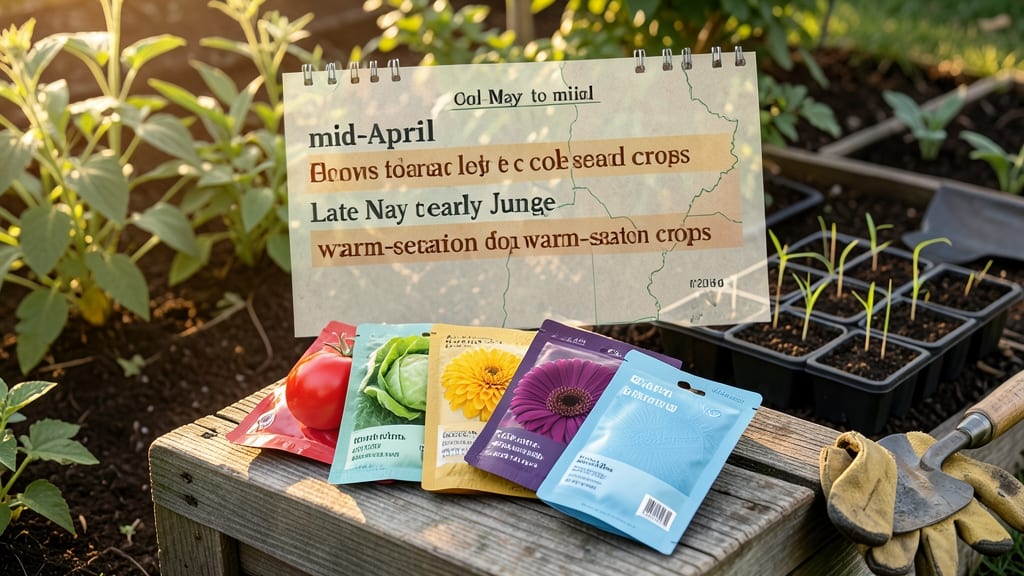
Ohio last frost dates by region: when to plant cool-season vs. warm-season crops
Ohio’s last frost dates vary dramatically across its four distinct regions—from early April in the Southeast to mid-May in the Northwest. These differences mean your cool-season crops like spinach and peas can go in weeks earlier in Cincinnati than in Toledo.
Understanding your USDA zone (5b–6a) and local microclimates helps you avoid frost damage while maximizing your growing season.
For cool-season vegetables (e.g., lettuce, broccoli, kale), plant 4–6 weeks before your average last frost date. Warm-season crops like tomatoes and peppers, however, need soil temperatures above 60°F—typically 2–4 weeks after your last frost.
Missing this window can stunt growth or invite pests. Let’s break down Ohio’s frost zones so you can plan with precision.
Here’s how Ohio’s regions compare for last frost dates and ideal planting windows:
| Region | Avg. Last Frost Date | Cool-Season Planting Window | Warm-Season Planting Window | Key Crops |
|---|---|---|---|---|
| Southeast (Columbus, Cincinnati) | April 15–20 | March 15–April 5 | May 1–May 15 | Lettuce, Peas, Tomatoes, Basil |
| Southwest (Dayton, Springfield) | April 10–15 | March 1–March 25 | April 25–May 10 | Spinach, Broccoli, Peppers, Cucumbers |
| Northeast (Cleveland, Akron) | May 5–10 | April 1–April 15 | May 15–May 30 | Kale, Radishes, Eggplant, Zucchini |
| Northwest (Toledo, Sandusky) | May 10–15 | April 15–April 30 | May 25–June 5 | Peas, Onions, Tomatoes, Basil |
If you’re in USDA Zone 5b (common in Northern Ohio), aim to plant cool-season crops by April 15 and warm-season crops after May 15. For Zone 6a (Southern Ohio), you can start 2–3 weeks earlier.
Always check your local Almanac frost dates, as microclimates (like urban heat islands) can shift timing by 1–2 weeks.
Pro tip: Use row covers or cold frames to extend your cool-season window by 2–4 weeks in colder regions. For example, in Toledo, you can plant spinach as early as March 20 with protection. Just remove covers when plants bolt or flower.
For warm-season crops, soil temperature matters more than air temperature. Use a soil thermometer to confirm 60°F+ before planting tomatoes or peppers. In Cincinnati, this usually aligns with mid-April, but a late frost can push it to May 1.
When in doubt, opt for heat-tolerant varieties like ‘Early Girl’ tomatoes or ‘Jalapeño’ peppers, which handle cooler soils better.
One common mistake? Planting warm-season crops too early and watching them wilt from nighttime chills. To avoid this, start seeds indoors 6–8 weeks before your last frost, then transplant after all danger of frost has passed.
For Ohio’s variable climate, I recommend waiting until May 15 in most regions—even if your last frost was earlier.
For flowers, timing varies by type. Annuals like marigolds can handle light frosts and go in 4 weeks before last frost, while tender perennials like geraniums need soil warmth and should wait until after May 1. Always check seed packets for specific frost tolerance guidelines.
Remember: Ohio’s first frost typically arrives October 15–November 1, depending on the region. Use this to plan your fall planting of cool-season crops like kale or radishes, which thrive in cooler weather. Start seeds 8–10 weeks before first frost for a late harvest.
To track your local frost dates, bookmark the Old Farmer’s Almanac or use apps like PlantNet. They provide hyperlocal forecasts that account for Ohio’s microclimates. With this regional breakdown, you’ll never guess again—just plant with confidence!
Planting calendar for Ohio gardens: exact weeks before last frost by variety
Ohio gardeners know timing is everything—plant too early, and frost will kill tender seedlings. Too late, and your harvest arrives when summer’s heat sets in. The key is working backwards from your last frost date, which varies across Ohio’s USDA zones 5b-6a.
For most of the state, aim to plant cool-season crops 4-6 weeks before last frost and warm-season crops 2-3 weeks after.
Let’s break down the exact weeks before last frost for Ohio’s most popular garden plants. Whether you’re growing leafy greens for spring salads or tomatoes for summer sauces, this schedule keeps your garden thriving.
Start by checking your local last frost date—most Ohioans fall between April 15 and May 15, depending on region.
| Plant | Weeks Before Last Frost | Notes |
|---|---|---|
| Lettuce | 6-8 | Direct sow or transplant. Succession plant every 2 weeks for continuous harvest. |
| Spinach | 4-6 | Tolerates light frost. Harvest young leaves for tender greens. |
| Peas | 2-4 | Plant early for spring harvest. Use trellis for vertical growth. |
| Broccoli | 4-6 | Start indoors 6-8 weeks before transplanting. Harvest heads before they bolt. |
| Tomatoes | 2-3 weeks AFTER last frost | Transplant seedlings after soil reaches 60°F. Use row covers for early starts. |
| Peppers | 2-3 weeks AFTER last frost | Slow starters. Keep soil warm with black plastic mulch. |
| Cucumbers | 1-2 weeks AFTER last frost | Vining types need trellises. Harvest frequently to encourage production. |
| Basil | 2 weeks AFTER last frost | Frost-sensitive. Start indoors or use row covers for early planting. |
For succession planting, repeat sowings every 2-3 weeks for crops like lettuce and spinach.
This ensures a steady supply of fresh greens all season. Warm-season crops like tomatoes and peppers need consistent warmth, so don’t rush them—wait until the soil is at least 60°F and nighttime temps stay above 50°F.
Ohio’s microclimates can shift planting windows by 1-2 weeks. If you’re in northwest Ohio, expect later frosts, while southeast Ohio may warm up faster. Use a soil thermometer to confirm readiness—cool soil delays germination, even if air temps are mild.
Pro tip: Mark your calendar with your last frost date and use it as your anchor. For example, if your last frost is May 1, plant lettuce 6-8 weeks before (mid-March) and tomatoes 2-3 weeks after (mid-May).
Adjust for your specific Ohio region, and your garden will thank you with bountiful harvests.