
Flowers
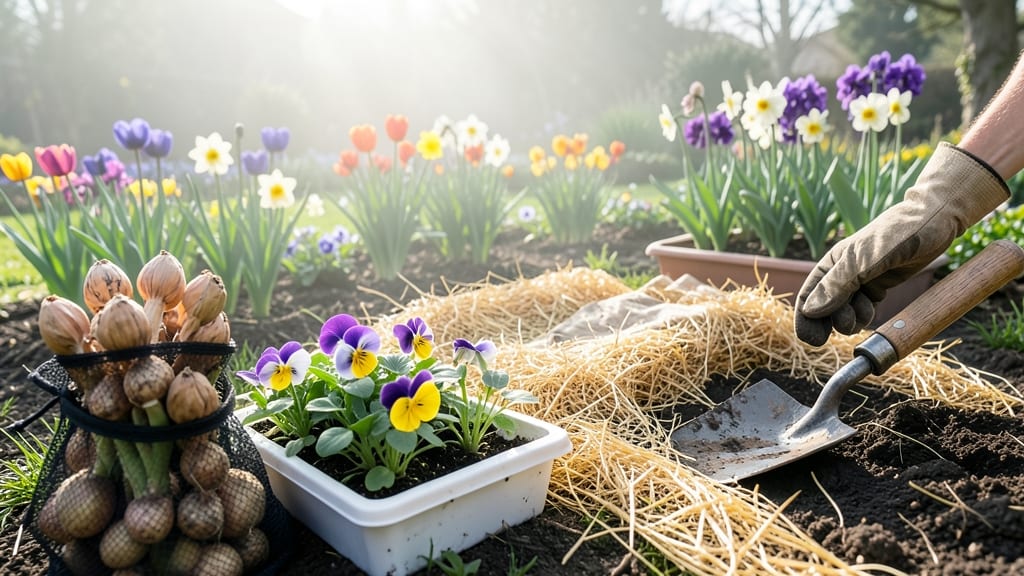
Timing your flower planting in Zone 6B can make or break your garden’s success—get it wrong, and you’ll end up with sad, stunted blooms or seedlings lost to frost. But here’s the good news: with the right schedule, you can enjoy vibrant color from spring through fall without guessing when to start seeds or transplant those delicate stems.
I’ve tested what works in my own Zone 6B garden (think Pittsburgh or Louisville), and the key is knowing your last frost date—usually between March 15 and April 15.
Cool-season flowers like pansies and snapdragons can handle early planting, while warm-season favorites like marigolds need to wait until soil warms up. Let’s break down the exact weeks before frost to plant for maximum blooms.
You’ll discover how to stretch your season with frost-proofing tricks and which flowers thrive when planted in spring versus summer. Whether you’re a beginner or a seasoned gardener, these insights will help you avoid common mistakes and create a garden that pops with color year after year.
Ready to transform your outdoor space? Let’s dive into the perfect planting calendar for Zone 6B, so you can start seeds, transplant with confidence, and enjoy a garden that’s the envy of the neighborhood.
Zone 6B last frost dates & exact weeks to plant flowers for best results
Understanding Zone 6B last frost dates is the first step to planting flowers successfully. In this zone, the average last spring frost occurs between March 15 and April 15, while the first fall frost typically arrives between October 15 and November 15.
These dates create a 180- to 210-day growing season, which is perfect for planning both cool-season and warm-season blooms.
For cool-season flowers like pansies, violas, and snapdragons, I recommend planting 4 to 6 weeks before your last frost date. This gives them time to establish roots before warmer weather arrives.
In Zone 6B, that means starting seeds or setting out transplants between mid-February and early April, depending on your exact location.
Warm-season flowers, such as marigolds, zinnias, and petunias, need to wait until the soil has warmed to at least 50°F (10°C). I plant these 2 to 4 weeks after your last frost date, which in Zone 6B usually falls between mid-April and early May.
This timing ensures they won’t be shocked by late frosts.
But here’s the catch: Zone 6B has regional variations. Cities like Pittsburgh often see frosts a week or two later than Louisville or Lexington. To adjust, I check local weather reports or use a frost calendar from my county extension office.
Microclimates—like south-facing slopes or sheltered garden beds—can also shift planting windows by 1 to 2 weeks.
Zone 6B Flower Planting Timeline
| Planting Window | Flowers to Plant | Weeks Before Last Frost | Soil Temp Requirement |
|---|---|---|---|
| Early Spring (Feb–Mar) | Pansies, Snapdragons, Sweet Alyssum | 4–6 weeks | 40–50°F (4–10°C) |
| Late Spring (Apr) | Marigolds, Zinnias, Petunias | 2–4 weeks after last frost | 50–60°F (10–15°C) |
| Summer (Jun–Jul) | Cosmos, Sunflowers, Black-Eyed Susans | Direct sow after soil warms | 60°F+ (15°C+) |
| Fall (Aug–Sep) | Asters, Chrysanthemums, Calendula | 6–8 weeks before first frost | 50–60°F (10–15°C) |
If you’re planting bulbs like tulips or daffodils, I recommend setting them in the fall (September–October), about 6–8 weeks before the ground freezes. This gives roots time to establish before winter dormancy.
For perennials like coneflowers or black-eyed Susans, early spring (March–April) is ideal, as they thrive with cooler soil temperatures.
Pro tip: Use a soil thermometer to confirm warmth before planting warm-season flowers. If the soil is still cool, wait another week—root development stalls below 50°F (10°C). This small step can prevent leggy, weak plants that struggle to bloom.
For container gardening, I adjust my timing slightly. Containers warm up faster, so I plant heat-loving flowers like geraniums and salvias 1–2 weeks earlier than in-ground plants. Just be ready to move containers indoors or under a frost cloth if a late frost is forecasted.
Finally, don’t forget about succession planting. By staggering your plantings every 2–3 weeks, you can enjoy continuous blooms all season.
For example, I plant a batch of zinnias in early May, another in late May, and a final batch in early June to keep my garden vibrant until frost.
Best flowers to plant by month in zone 6B (with frost-resistance ratings)
Zone 6B gardeners can enjoy continuous blooms by planting flowers at the right time—each month offers unique opportunities for frost-resistant varieties that thrive in your climate. Start with cool-season flowers in early spring, then transition to heat-loving annuals as temperatures rise.
The key is matching your plants to the soil temperature and frost risk for each month.
For example, pansies and snapdragons can handle light frosts (down to 25°F), while marigolds and zinnias need warmer soil (at least 50°F). Below, I’ve organized the best flowers by planting month, complete with frost tolerance ratings and peak bloom times to maximize your garden’s color.
| Month | Flowers | Frost Tolerance | Peak Bloom | Planting Tip |
|---|---|---|---|---|
| March | Pansies, Snapdragons, Sweet Alyssum | 25°F–30°F | Spring–Fall | Direct sow after last frost risk. |
| April | Calendula, Larkspur, Stock | 30°F–35°F | Late Spring–Summer | Use row covers for early plantings. |
| May | Marigolds, Zinnias, Sunflowers | 50°F+ soil | Summer–Fall | Wait until soil warms to 60°F. |
| June–July | Cosmos, Black-Eyed Susan, Petunias | Heat-tolerant | Summer–Frost | Sow successionally for fall color. |
| August–September | Aster, Chrysanthemum, Pansy (fall) | 28°F–32°F | Fall–Early Winter | Plant 6–8 weeks before first frost. |
Perennials like coneflowers and black-eyed Susans are my top picks for low-maintenance color—they return year after year and handle Zone 6B’s hot summers and chilly winters with ease. Plant them in early spring (March–April) so they establish strong roots before summer heat arrives.
For extended blooms, try succession planting—sow fast-growing annuals like bachelor’s buttons every 2–3 weeks from May through July. This ensures your garden stays vibrant even as older flowers fade.
Just remember: warm-season flowers (like geraniums) need consistent warmth to thrive, so avoid planting them until after Memorial Day in most of Zone 6B.
Pro tip: Test your soil temperature with a soil thermometer before planting warm-season flowers. Aim for 60°F+ for best germination results. If your soil is still cool, wait another week or two—rushing can lead to poor root development and stunted growth.
🌷