
Plants
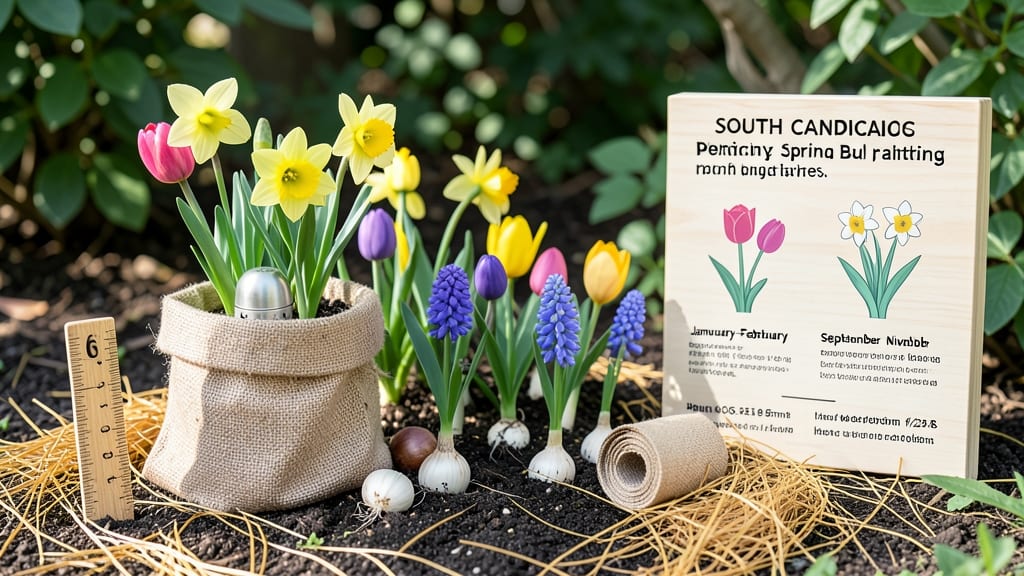
Planting bulbs at the wrong time in South Carolina can mean the difference between a stunning spring garden and a sad, withered disappointment. The key to vibrant blooms lies in understanding the perfect planting window—typically between September and October for fall-planted varieties like tulips and daffodils.
Why does timing matter so much? In South Carolina’s 7b-8a climate, bulbs need time to establish roots before winter sets in. Plant too early, and they may rot; too late, and they won’t bloom.
I’ll break down the ideal months for spring-blooming bulbs and how to adjust for your specific region—whether you’re in the coastal Lowcountry or the Piedmont hills.
You don’t have to guess about soil prep or frost dates. This guide covers everything from preparing your garden bed to choosing the right bulbs for your zone. Let’s make sure your 🌷 Spring-Blooming Bulbs thrive with minimal effort—and maximum impact.
Ready to transform your garden? Stick around to discover the exact steps, from soil temperature checks to post-planting care, so you can enjoy a burst of color come spring. Trust me, your future self will thank you!
Best planting months for spring-blooming bulbs in South Carolina
South Carolina’s humid subtropical climate creates unique challenges for planting spring-blooming bulbs. Unlike northern states, our mild winters and early springs demand precise timing to avoid rot or missed blooms.
The key window for planting tulips, daffodils, hyacinths, and crocuses is September through October, but coastal areas may extend slightly later due to warmer soil.
For Piedmont regions (USDA zones 7b-8a), aim to plant 6-8 weeks before the first frost—typically by mid-October.
Coastal gardeners in Charleston or Hilton Head (zone 8b) can push planting to early November, as frost arrives later. Soil temperature should be below 60°F but not frozen to prevent bulb rot.
The comparison-table below breaks down optimal planting months by bulb type, including adjustments for microclimates and soil prep needs. Pay special attention to drainage, as South Carolina’s heavy clay soils require amendments like compost or sand.
| Bulb Type | Ideal Planting Month | Piedmont Adjustment | Coastal Adjustment | Soil Prep Tip |
|---|---|---|---|---|
| Tulips | September–October | Plant by Oct 15 | Plant by Nov 1 | Add bone meal |
| Daffodils | September–October | Plant by Oct 31 | Plant by Nov 15 | Loosen clay soil |
| Hyacinths | October–November | Plant by Nov 1 | Plant by Nov 30 | Mulch after planting |
| Crocuses | September–October | Plant by Oct 1 | Plant by Oct 15 | Shallow planting (3") |
If you miss the fall planting window, don’t despair! Many spring-blooming bulbs tolerate winter planting in January or February, as long as the ground isn’t frozen.
For example, tulips planted in late January will still bloom in spring, though slightly later. Daffodils are the most forgiving and can even handle early March planting in coastal areas.
Pro tip: Use a soil thermometer to confirm 50–60°F soil temps before planting.
In Greenville or Columbia (zone 7b), this usually aligns with mid-October, while Myrtle Beach (zone 8b) may wait until late October. Overwatering at this stage is the #1 mistake—ensure bulbs are in well-draining soil to prevent rot.
After planting, apply a 2–3 inch layer of mulch (straw or pine needles work well) to insulate bulbs and retain moisture. This is especially critical in Upstate SC, where temperature swings can stress newly planted bulbs. Avoid synthetic mulches, as they can suffocate bulbs over winter.
For container gardening, use well-draining potting mix with perlite and plant bulbs in early October. Containers warm up faster in spring, so they may bloom 2–3 weeks earlier than in-ground plantings.
Just be sure to bury containers deeper in the ground for winter protection if temperatures dip below 20°F.
One common misconception is that larger bulbs need deeper planting. In reality, most spring-blooming bulbs should be planted at a depth of 2–3 times their height. For example, a 2-inch daffodil bulb should go 4–6 inches deep. Planting too deep delays blooming, while shallow planting risks frost damage.
Finally, mark your bulb beds with stakes or flags to avoid disturbing them in spring. South Carolina’s unpredictable weather can bring early rains or late freezes, so staying organized helps track which bulbs need extra care—like hyacinths, which often need staking for their tall, top-heavy stems.
With the right timing and soil prep, your spring garden will erupt with color by March or April, proving that a little patience in fall pays off big time. Happy planting! 🌷🌱
Best planting months for spring-blooming bulbs in South Carolina
South Carolina’s humid subtropical climate creates the perfect window for planting spring-blooming bulbs like tulips, daffodils, and hyacinths—just 6-8 weeks before the first frost. For most of the state (USDA zones 7b-8a), this means mid-September to early October is ideal.
Coastal areas may extend planting into early November due to milder winters, while the Piedmont region should aim for late September to avoid early freezes.
Timing is critical because bulbs need cold stratification to bloom properly. Planting too late (after November 15) risks rot or poor root establishment before winter dormancy.
If you miss the fall window, you can plant January-February for spring blooms, though results may be less reliable due to inconsistent winter chilling.
Soil temperature is your best guide: aim for 60°F or below at planting time.
Use a soil thermometer to check—if temps hover around 70°F+, wait a few weeks. Well-draining soil is non-negotiable; amend heavy clay with compost or sand to prevent waterlogging, which causes bulb rot in SC’s wet winters.
| Bulb Type | Ideal Planting Window | Depth (inches) | Spacing (inches) | SC-Specific Tip |
|---|---|---|---|---|
| Tulips | Late Sept–Oct (coastal) / Early Oct (Piedmont) | 6–8 | 4–6 | Plant deeper in sandy soil (8–10") to anchor bulbs. |
| Daffodils | Oct–Nov (best for overwintering) | 6–8 | 3–6 | Tolerates wet winters better than tulips. |
| Hyacinths | Sept–early Oct | 6–8 | 4–6 | Needs full sun; avoid shade from trees. |
| Crocuses | Sept–Oct (early bloomers) | 3–4 | 3–4 | Great for lawn planting—tolerates mowing. |
After planting, mulch with 2–3 inches of straw or pine needles to insulate bulbs from freeze-thaw cycles, which can heave them out of the ground. Remove mulch in early spring to allow sunlight to encourage foliage growth—this is how bulbs store energy for next year’s blooms.
Avoid fertilizing in the first year; let roots establish naturally.
For coastal SC gardeners, consider late-blooming varieties like Darwin hybrid tulips or Jonquil daffodils, which handle warmer winters better. In the Upstate, opt for earlier bloomers (e.g., Greigii tulips) to avoid late spring frosts that can damage open buds.
Mark your planting spots with biodegradable flags—SC’s mild winters mean you won’t see foliage until late winter or early spring. Patience pays off: bulbs planted in October will reward you with March-May blooms, adding color to your garden just as spring arrives.