
Plants
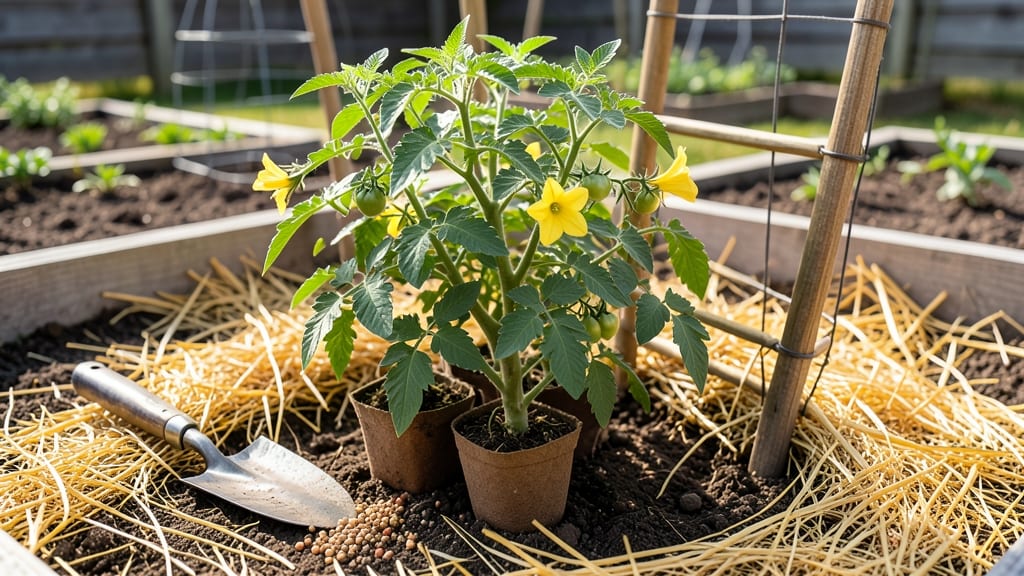
If you've ever wondered when to plant tomatoes in California, the answer isn't one-size-fits-all—it depends on where you live in the state. Coastal gardeners can start as early as February, while inland areas should wait until March or April to avoid unexpected chilly nights.
The key is planting when your 🍅 plants can thrive without frost risk, whether you're in the mild coastal zones or hotter inland valleys.
Timing matters because California's Mediterranean climate gives you two main planting windows: spring and fall. Spring planting typically yields the most fruit, but fall can be just as productive if you choose the right heat-tolerant varieties.
The difference between coastal and inland planting schedules can be as much as six weeks—so knowing your microclimate is crucial for success.
I've spent years growing tomatoes across California's diverse regions, and I've learned that the best planting window isn't just about dates—it's about matching your schedule to your local conditions. Whether you're a first-time gardener or a seasoned pro, getting this right means bigger harvests and happier plants all season long.
Let's break down exactly when to plant in your specific area, how to prepare your soil, and which varieties will give you the best results. By the end, you'll have a clear planting timeline tailored to your corner of California—so you can enjoy homegrown tomatoes from spring through fall.
California’s best tomato planting windows by region (spring vs fall)
California’s diverse microclimates mean your tomato planting schedule depends heavily on where you live. The coastal regions (like San Francisco and Santa Barbara) enjoy mild winters with no frost risk, while inland valleys (Central Valley, Sacramento) face occasional cold snaps.
Even desert areas (Palm Springs, Coachella) have their own heat-driven timeline. Let’s break down the ideal planting windows for each zone to ensure zero-frost stress and maximum yield.
For coastal gardeners, the best time to plant tomatoes is February through April—before summer’s intense heat peaks. Inland areas should wait until March to May, aligning with soil warming to 60°F+.
Fall plantings are also possible in most regions, but timing is critical to avoid early winter chills. Let’s dive into the specifics for your area.
🌱
| Region | Spring Planting Window | Fall Planting Window | Key Considerations |
|---|---|---|---|
| Coastal (USDA Zone 9-10) | February–April | August–September | Mild winters, no frost; watch for summer heat stress after June. |
| Central Valley (USDA Zone 9) | March–May | July–August | Risk of late spring frost (Dec–Feb); prioritize heat-tolerant varieties like 'Heatmaster' or 'Solar Fire'. |
| Desert (USDA Zone 10-11) | March–April | September–October | Extreme heat (100°F+) can stunt growth; use shade cloth and drip irrigation. |
| Urban Microclimates (e.g., LA, SF) | February–March (cooler areas) or April (warmer pockets) | August–September | Check local frost maps (e.g., [USDA Plant Hardiness](https://planthardiness.ars.usda.gov/)); container gardens warm faster. |
If you’re in coastal California, you can plant tomatoes as early as February—but avoid transplanting seedlings until soil temperatures hit 60°F. This prevents root shock and ensures steady growth.
For inland areas, wait until mid-March to sidestep late frosts, which can devastate young plants. Desert regions should focus on spring planting (March–April) to avoid the scorching summer heat that can halt fruit set.
For fall plantings, coastal gardeners have a longer window (August–September), while inland areas must act faster (July–August).
The goal is to harvest before temperatures drop below 50°F at night, which stunts growth. Pro tip: Use row covers in fall to extend the season by 2–4 weeks without frost damage.
Urban gardeners face unique challenges due to microclimates. A north-facing balcony in Los Angeles might mimic coastal conditions, while a south-facing rooftop could mirror desert heat. Always test your soil temperature with a soil thermometer—tomatoes thrive when roots hit 60°F+.
If your soil is cooler, wait 1–2 weeks or use black plastic mulch to warm it faster.
🌿
Heat-tolerant varieties like 'Solar Fire', 'Heatmaster', or 'Black Prince' are your best bets for inland and desert plantings. These varieties handle 90°F+ temperatures better than standard tomatoes. Pair them with drip irrigation and mulch to retain moisture and keep roots cool. For coastal areas, classic varieties like 'Cherokee Purple' or 'Brandywine' excel in milder conditions but may struggle if summer temperatures exceed 85°F.
One common mistake is planting too late in spring, only to see tomatoes bolt to flower before fruiting. This happens when day lengths exceed 14 hours (common by June).
To prevent this, choose indeterminate varieties (like 'Sungold') for continuous harvests or determinate types (like 'Roma') for a single, heavy yield. Succession planting—adding new seedlings every 2–3 weeks—keeps your harvest going all summer.
🪴
Fall planting is a game-changer for California gardeners. By starting seeds in July (for transplant in August), you can harvest well into October before winter chills arrive. Use shade cloth (30–50%) to protect seedlings from late-summer heatwaves, and mulch heavily to insulate roots. Drought-resistant varieties like 'Mountain Merit' or 'Celebrity' perform well in fall, as they handle cooler soils better than heat-lovers.
Finally, container gardeners have flexibility but must act faster. Since pots heat up and cool down quicker than in-ground soil, aim to plant 2–3 weeks earlier in spring and 1–2 weeks later in fall.
Use self-watering containers and lightweight potting mix to prevent root stress. With the right timing, you can enjoy homegrown tomatoes year-round—even in California’s extremes.
5 Critical factors that determine your tomato planting schedule
California’s diverse microclimates mean your tomato planting schedule depends on more than just the calendar. The last frost date in your area is your first clue—but soil temperature, heat waves, and even day length play starring roles.
For example, coastal gardeners in San Francisco can plant in February, while Central Valley growers wait until March or April when soil warms to 60°F+. Let’s break down the 5 critical factors that dictate your perfect planting window.
First, last frost dates vary wildly across California. Coastal areas like Santa Barbara rarely see frost, while inland valleys like Sacramento can hit 32°F in winter. Check your USDA Zone (9-11) and local weather records—this is your planting deadline.
For instance, if your last frost is January 15, plant 6-8 weeks before by starting seeds indoors. But if you’re frost-free, you can direct-sow as early as late January.
Soil temperature is non-negotiable for tomato success. These heat-lovers need soil at 60°F+ to germinate and grow. Use a soil thermometer to test—if it’s below 55°F, wait. In Desert regions, soil heats up faster, so you can plant earlier (as early as February), while cooler coastal areas may need to wait until March or April. Pro tip: Black plastic mulch can warm soil 5-10°F faster.
Heat waves are another California wildcard. Planting too early in inland valleys risks blossom drop when temps hit 90°F+. Varieties like ‘Heatmaster’ or ‘Solar Fire’ tolerate heat better, but even they need afternoon shade in summer. For fall planting, aim for August-September to avoid summer’s peak heat while still capturing longer daylight hours for fruit development.
Day length affects tomato growth too. Tomatoes thrive on 12-16 hours of daylight, which is plentiful in California’s summer. But if you’re planting in late spring, stretch daylight with grow lights (14+ hours) to boost early yields. Conversely, fall plantings benefit from cooler temps and lower humidity, reducing disease risk. This is why September transplants often outperform June plantings in Southern California.
Lastly, tomato varieties change the game. Determinate types (like ‘Roma’) grow compact and ripen quickly—ideal for early spring or fall harvests. Indeterminate varieties (like ‘Sungold’) keep growing and producing all season, needing a longer growing window.
If you’re in a short-season area, stick to early-maturing hybrids (e.g., ‘Early Girl’ in 60 days).
Now that you know the 5 key factors, use our region-specific planting calendar (below) to pinpoint your exact window. Remember: soil temp > calendar date—always prioritize warmth over eagerness! 🌱
🌱 Critical Planting Factors at a Glance
| Factor | California Impact | Actionable Tip |
|---|---|---|
| Last Frost Date | Coastal: None; Inland: Jan 15-Mar 15 | Plant 6-8 weeks before last frost (or direct-sow after). |
| Soil Temperature | 60°F+ required for germination | Use black mulch to warm soil 5-10°F faster. |
| Heat Waves | Blossom drop at 90°F+ | Choose heat-tolerant varieties or use shade cloth. |
| Day Length | 12-16 hours ideal for growth | Supplement with grow lights for early/late plantings. |
| Variety Type | Determinate: Fast harvest; Indeterminate: Long season | Pick early-maturing types for short seasons. |
With these 5 factors in mind, you’re ready to pick your perfect planting window. Next, we’ll dive into fall planting hacks to beat California’s summer heat and extend your harvest—don’t miss it! 🍅