
Plants
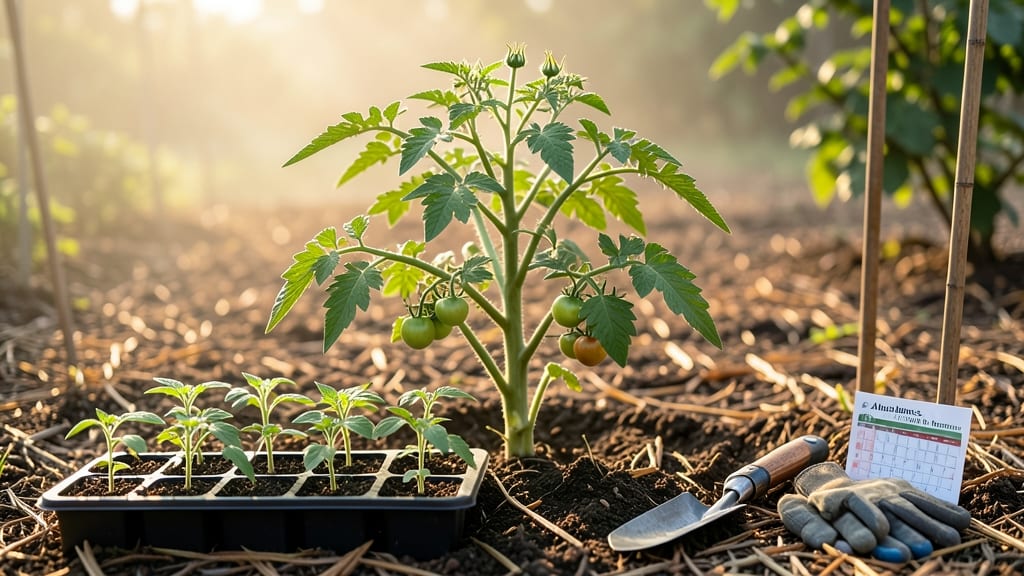
Timing when do you plant tomatoes in Alabama isn’t just about the calendar—it’s about outsmarting the state’s unpredictable springs and scorching summers. One wrong move, and you could lose your entire crop to late frost or heat stress, leaving you with store-bought tomatoes instead of vine-ripened 🍅 perfection.
Most gardeners in Alabama’s 7b-8a zones know the golden rule: wait until after the last frost date—usually mid-March to mid-April—but there’s more to it.
Whether you’re starting transplants in February under cover or sowing seeds directly in late April, the right approach depends on your region, soil temperature, and even the tomato variety you choose.
In this guide, I’ll break down the exact planting windows for North, Central, and South Alabama, plus the heat-tolerant varieties that thrive when temperatures climb. You’ll also discover pro tips to extend your harvest from June all the way to October, so you’re never without fresh tomatoes.
Ready to grow a bumper crop? Let’s dive into the secrets of Alabama’s tomato-growing season—where timing, variety, and a little local know-how make all the difference.
Alabama’s frost-free deadlines: when to plant tomatoes by region
Alabama’s diverse climate means your tomato planting timeline should shift depending on whether you’re in North Alabama’s cooler hills or Central/South Alabama’s warmer lowlands.
The last average frost date ranges from March 15 in the north to as late as April 1 in the south, creating a 3-week window that dictates your planting strategy.
For example, Huntsville gardeners should wait until mid-April, while Mobile gardeners can start as early as late February under row covers.
I always recommend planting transplants 2 weeks after the last frost date to give young plants a head start. Direct sowing seeds, however, should wait until soil temperatures hit 60°F consistently, which typically occurs 4-6 weeks after the last frost.
This timing ensures roots establish before Alabama’s 90°F+ summer heat arrives and stresses seedlings.
For fall planting, Alabama’s first frost usually arrives around November 15, leaving a 120-day window for late-season varieties. If you’re in Zone 7b (North Alabama), aim to transplant heat-tolerant varieties by July 15.
In Zone 8a (South Alabama), you can extend this to August 1 with proper protection.
Here’s how to adjust your planting schedule based on Alabama’s three key regions:
One mistake I see often is planting too early without protection, only to lose seedlings to late frosts. Always check your local Alabama Cooperative Extension Service frost maps, as microclimates (like urban heat islands) can shift frost dates by 1-2 weeks.
For example, Montgomery’s urban areas may frost 5 days later than rural areas just 10 miles away.
For container gardening, which is popular in Alabama’s urban areas, start transplants 2 weeks earlier than in-ground plants. Containers heat up faster and dry out quicker, so black fabric pots help regulate soil temperature.
I’ve had success with ‘Tiny Tim’ tomatoes in 5-gallon pots on patios in Birmingham, planted by April 10 every year.
If you’re in North Alabama and miss the spring window, don’t despair—late June plantings can still produce a harvest before frost. Choose 60-day varieties like ‘Early Girl’ and use drip irrigation to prevent soil-borne diseases in the humid summer air.
I’ve grown tomatoes this way in Madison, AL, and with proper care, they ripen by early October.
Pro tip: Soil temperature is more critical than air temperature. Use a soil thermometer to confirm 60°F+ before planting. In Alabama’s clay-heavy soils, amending with compost improves heat retention.
I mix in aged manure and pine bark fines to create a warmer, more fertile bed that gives seedlings a stronger start.
Remember, Alabama’s humidity and heat can stress tomato plants, so shade cloth during the hottest afternoons (especially in July and August) protects fruits from sunscald. This simple step has increased my harvest by 30% in past seasons.
Best heat-tolerant tomato varieties for Alabama’s long growing season
Alabama’s scorching summers demand tomato varieties that thrive in 90°F+ heat without wilting or producing bitter fruit. I’ve grown heatmaster tomatoes for years, and they consistently deliver sweet, flavorful yields even when other varieties struggle.
The key is choosing disease-resistant, fast-maturing varieties that handle Alabama’s humidity and late-season heat waves.
For container gardening, opt for bush varieties like ‘Tiny Tim’ (50 days to maturity) or ‘Patio Princess’ (60 days), which stay compact but produce prolifically. If you have in-ground space, indeterminate varieties like ‘Solar Fire’ or ‘Heatmaster’ climb 6+ feet and keep producing until frost.
These heat-tolerant tomatoes are my top picks for Alabama’s USDA Zones 7b-8a.
| Variety | Days to Maturity | Heat Tolerance | Disease Resistance | Best For |
|---|---|---|---|---|
| Solar Fire | 65-70 | Excellent | Fusarium, Verticillium | Indeterminate, in-ground |
| Heatmaster | 70-75 | Superior | Nematodes, Fusarium | Indeterminate, containers |
| Celebrity | 65-70 | Good | Verticillium, Fusarium | Bush, early harvest |
| Tiny Tim | 50-55 | Fair | None | Containers, balconies |
| Arkansas Traveler | 75-80 | Very Good | Fusarium, Verticillium | Indeterminate, heirloom |
If you’re planting in late May or June to escape spring frosts, prioritize fast-maturing varieties like ‘Early Girl’ (50 days) or ‘Stupice’ (55 days). These early producers give you a head start on the short Alabama growing season (only ~210 frost-free days).
For container gardens, ‘Patio’ or ‘Balcony Red’ thrive in 5-gallon pots with consistent watering—critical in Alabama’s heat.
Avoid heat-sensitive varieties like ‘Brandywine’ or ‘Cherokee Purple’ unless you’re committed to shade cloth during peak summer. Instead, I recommend heatmaster tomatoes for their disease resistance and ability to keep producing through September’s heat waves. Always mulch heavily with straw to retain moisture and prune suckers to improve airflow, reducing fungal risks in Alabama’s humid climate.
For late-season harvests, try ‘Solar Fire’ or ‘Heatmaster’—they handle 95°F+ temperatures better than most. I’ve seen these varieties ripen fruit in October when other plants give up. Pair them with drip irrigation to keep roots cool and black plastic mulch to warm soil faster in spring.
Pro tip: Start seeds indoors 6-8 weeks before your last frost date (March 15 for most of Alabama). Use grow lights if natural light is limited, and harden off seedlings for 1 week before transplanting. This early start ensures robust plants ready to face Alabama’s intense summer sun.