
Plants
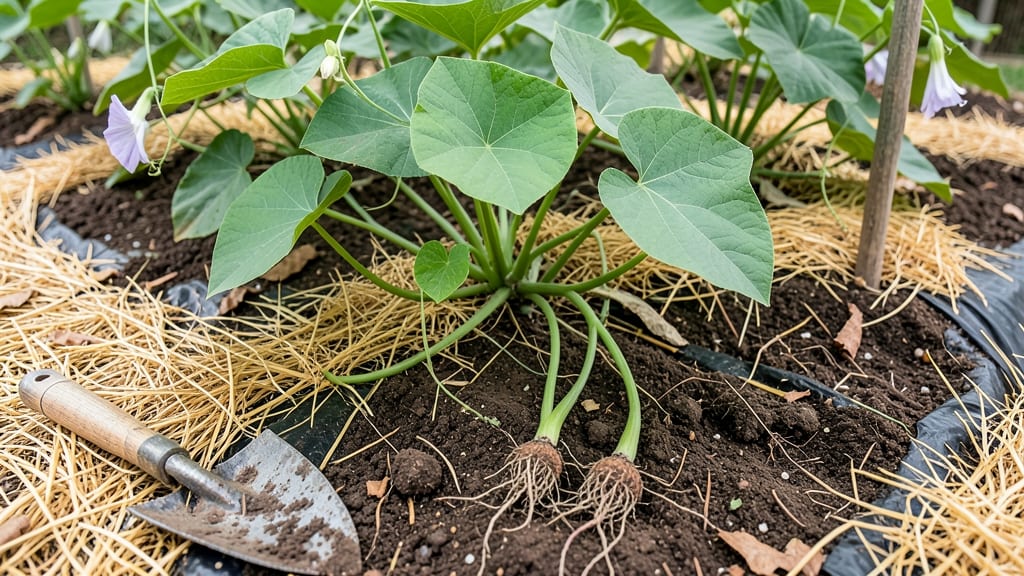
If you're asking "when do you plant sweet potatoes in Louisiana", the answer isn't just about the calendar—it's about soil warmth. 🍠 Louisiana's 8a-9b climate means you can skip frost worries, but cold soil will still kill your slips faster than you can say "harvest season."
The key is waiting until the ground hits 65°F or warmer, which typically lands between March and June, depending on your exact location.
Most Louisiana gardeners plant sweet potato slips (not seeds) once the last frost threat has passed, usually around March in southern parishes and closer to April-May in northern areas. This timing gives your vines 120 days of warm weather to grow before harvest season arrives in October-December.
Planting too early risks soggy soil and rot, while waiting too long means smaller yields.
Here's the game-changer: Louisiana's heat actually works in your favor after that initial window. Once your slips are in warm soil, they'll grow aggressively, and with proper care, you can extend your harvest well into fall.
The secret lies in monitoring soil temperature and adjusting your schedule based on whether you're in the humid south or drier north of the state.
In this guide, I'll walk you through exactly how to time your planting for maximum success, including when to start slips indoors (if you're ambitious), how to test soil readiness, and what to watch for in Louisiana's unpredictable spring weather. Let's get those sweet potatoes growing the right way!
Louisiana’s ideal sweet potato planting window: soil temperature rules
Sweet potatoes thrive in Louisiana’s warm climate, but soil temperature—not air temperature—is the real game-changer for planting success. Unlike northern states, Louisiana’s frost-free zone (USDA 8a-9b) means you can focus on heat rather than cold.
The magic number? 70-85°F soil temperature—this is when slips (young plants) root quickly and avoid rot in damp, cool soil.
Many gardeners make the mistake of planting too early, thinking warmer air means ready soil. But cool soil slows germination and invites fungal diseases like black rot. In Louisiana, this is especially critical because our humidity and summer rains create the perfect storm for slip failure if planted prematurely.
Here’s the science: Sweet potato slips need consistent warmth to develop strong roots. Below 65°F, growth stalls, and above 90°F, slips can scorch. Louisiana’s North Zone (8a) may need to wait until late April, while South Zone (9b) can start as early as mid-March—if soil cooperates.
| Factor | Louisiana Ideal Range | Actionable Tip |
|---|---|---|
| Soil Temperature | 70–85°F | Use a soil thermometer 6" deep; plant when consistent for 3+ days. |
| Air Temperature | 60°F+ (daytime) | Ignore air temps—focus on soil warmth to avoid slips rotting. |
| Last Frost Date | Mid-February (North) to Never (South) | Plant after soil warms, not just after frost risk passes. |
| Slip Source | Store-bought or home-grown slips | Order slips from local nurseries (e.g., LSU AgCenter) for heat-tolerant varieties. |
To test your soil’s readiness, bury a soil thermometer 6 inches deep for 3 consecutive days. If temps hover around 75°F, it’s time to plant. Pro tip: Louisiana’s black soils (common in the Delta) warm faster than sandy soils in coastal areas—adjust your timing accordingly.
One common misconception is that you can plant sweet potatoes anytime after the last frost. But in Louisiana’s humid climate, late planting (after June) risks heat stress and poor tuber formation. The ideal window is March–June, aligning with soil warmth and rainfall patterns.
For gardeners in North Louisiana (Zone 8a), aim for late April to early May when soil reliably hits 70°F. In Central Louisiana (Zone 8b), you can start as early as mid-March if soil warms early. South Louisiana (Zone 9a-9b) gardeners often plant February–April, but watch for early heatwaves that can dry out slips.
If you’re growing from seed potatoes (less common in Louisiana but possible), start seeds indoors 8–10 weeks before your target planting date. However, most Louisiana gardeners opt for slips because they’re faster and more reliable in our heat.
Remember: Sweet potatoes are heat-loving but not drought-proof. Once planted, maintain consistent moisture (1–2 inches per week) to encourage tuber growth. Mulch with straw or black plastic to keep roots cool and soil warm—a must in Louisiana’s sweltering summers.
For variety selection, Louisiana gardeners swear by Beauregard (early maturing) and Jewel (sweet, moist flesh). Both thrive in our climate but need proper timing to avoid stress. Plant Beauregard in March–April for a summer harvest, or Jewel in April–May for fall sweets.
Timing isn’t just about the calendar—it’s about soil science. By mastering these temperature rules, you’ll turn Louisiana’s heat into your sweet potato advantage. Next, we’ll break down month-by-month planting schedules for each climate zone.
Louisiana’s ideal sweet potato planting window: soil temperature rules
Sweet potatoes in Louisiana thrive when planted at the right time—not when the air feels warm, but when the soil reaches 70-85°F. Unlike northern states, Louisiana’s USDA zones 8a-9b mean no frost worries after mid-February, but cold soil can still stunt your slips.
The key is waiting for consistent soil warmth, not just air temperature.
Most Louisiana gardeners plant between mid-March and early June, but timing varies by region. Northern Louisiana (like Shreveport) may wait until late April, while southern areas (like New Orleans) can start as early as mid-March.
The goal? Avoid planting when soil is below 65°F—that’s when slips rot instead of root.
| Soil Condition | Ideal Planting Time | Louisiana Zone |
|---|---|---|
| Soil temp ≥65°F | Mid-March | South (New Orleans) |
| Soil temp ≥70°F | Late March–April | Central (Baton Rouge) |
| Soil temp ≥75°F | May–June | North (Shreveport) |
To test your soil’s readiness, use a soil thermometer—dig 2 inches deep and check temps for 3 consecutive days. If your soil hits 70°F or warmer, it’s time to plant.
Pro tip: Morning is the best time to check—soil cools overnight, and you want to avoid false readings from midday heat.
Sweet potatoes grow best in well-draining, sandy loam soil with a pH of 5.8–6.5. Louisiana’s native clay can compact easily, so amend with compost or aged manure before planting. This not only warms the soil faster but also prevents waterlogging, which is deadly for slips.
If you’re in doubt, err on the side of waiting. Slips planted in 60°F soil may take weeks to establish, while those in 75°F+ soil sprout in 7–10 days. The faster they root, the bigger your harvest—and Louisiana’s heat means speed is everything once vines start spreading.
Once planted, mulch heavily with straw or black plastic to lock in heat and moisture. This keeps roots warm and speeds up tuber development, giving you a head start on the October–December harvest window. 🍠