
Flowers
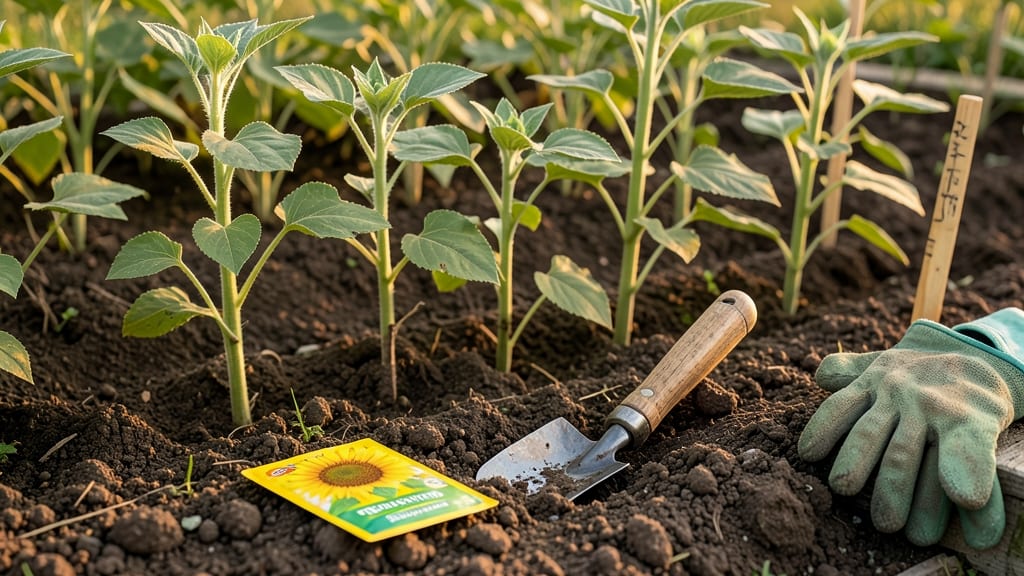
Planting sunflowers in Ohio isn’t just about sticking seeds in the ground—it’s about catching that perfect window between frost and summer’s heat to grow towering blooms that turn heads. The exact timing matters more than you’d think, especially when Ohio’s unpredictable spring can throw off even the best-laid plans.
Most Ohio gardeners in zones 6a-6b wait until mid-April to early June, but the real secret lies in soil temperature and frost-free dates. Plant too early, and a late frost will nip those delicate sprouts. Too late, and your sunflowers might never reach their full 10-foot potential before fall arrives.
I’ve tested the ideal planting schedule over years in Ohio’s climate, and what works for one region might fail just 20 miles away.
Whether you’re in southern Ohio where frost lingers later or northern areas where soil warms faster, I’ll break down the precise timing—and how to adjust for Ohio’s quirky weather patterns.
Ready to grow sunflowers that outshine the competition? Let’s dive into the exact weeks before last frost that’ll give you the tallest, most vibrant blooms your Ohio garden has ever seen.
Ohio sunflower planting dates by last frost zone (with exact weeks before frost)
Ohio’s last frost dates vary dramatically—from mid-April in southern zones to early May in northern regions. Sunflowers thrive when planted 2–4 weeks before your last frost, but soil temperature matters more than calendar dates. Aim for soil temps above 55°F (13°C) to ensure quick germination and strong stems.
Most of Ohio falls in USDA Zones 5–6, where frost-free windows range from 160–180 days. Sunflowers need 70–100 days to mature, so timing is critical. Plant too early, and frost will damage tender seedlings; too late, and your 10-foot giants may never bloom before fall.
Here’s your Ohio sunflower planting timeline, broken down by zone and method. Use this as your garden calendar to avoid common mistakes like overcrowding or underwatering during critical growth stages.
| Zone | Last Frost Date | Planting Window | Soil Temp Threshold | Method |
|---|---|---|---|---|
| Southern Ohio (Zones 6a-6b) | Mid-April | Late April–early May | 55°F+ (13°C+) | Direct sow or transplant |
| Central Ohio (Zones 5b-6a) | Early May | Late May–early June | 60°F+ (16°C+) | Direct sow only |
| Northern Ohio (Zones 5a-5b) | Early-Mid May | Late May–June 10 | 65°F+ (18°C+) | Direct sow (start indoors if needed) |
| All Zones (Late Planting) | N/A | June 15–July 1 (dwarf varieties) | 70°F+ (21°C+) | Direct sow only |
🌱 Pro Tip: Use a soil thermometer to confirm readiness—don’t rely on guesswork!
For direct sowing, drop seeds 1 inch deep and 6 inches apart in rows 18–24 inches apart. Thin seedlings to 12–18 inches apart once they’re 3–4 inches tall. This spacing prevents powdery mildew and ensures maximum sunlight exposure for those giant blooms.
If you’re transplanting seedlings, start them indoors 4–6 weeks before your last frost under grow lights. Harden them off for 7–10 days before moving to the garden. Transplants should go in after soil warms to avoid root shock in cool conditions.
Ohio’s unpredictable spring weather can throw off even the best-laid plans. If nighttime temps dip below 50°F (10°C) after planting, use row covers or black plastic mulch to protect seedlings. These tricks add 2–4°F of warmth, giving your sunflowers a fighting chance against late frosts.
For extended harvests, try succession planting every 2 weeks from May through June. This ensures blooms from July through October, even in shorter growing seasons. Dwarf varieties like ‘Teddy Bear’ (3–4 ft) are perfect for late plantings and container gardens.
Remember: Sunflowers hate competition. Remove weeds within 4–6 inches of the stem to ensure your plants get all the water and nutrients they need. A 2-inch layer of mulch keeps soil moist and suppresses weeds—just don’t let it touch the stem to prevent rot.
By following this zone-specific schedule, you’ll grow sunflowers that reach their full potential, from 3-foot dwarfs to 12-foot giants. Mark your calendar now and watch your garden transform into
How to adjust sunflower planting for Ohio’s unpredictable spring weather
Ohio’s spring weather can be as unpredictable as a toddler’s mood—one day warm and sunny, the next a surprise frost. Sunflowers, with their long growing season and sensitivity to cold, demand flexibility.
If you plant too early, frost will nip tender sprouts. Too late, and your towering sunflowers may never reach their full 10-foot potential. Here’s how to outsmart Ohio’s weather quirks.
The key is soil temperature, not just air temperature. Sunflower seeds need soil to stay above 55°F (13°C) for at least a week before planting. Use a soil thermometer—don’t guess!
In northern Ohio, this often means waiting until late May, while southern Ohio gardeners can start as early as mid-April. But here’s the catch: Ohio’s last frost can vary by 2–3 weeks depending on your microclimate.
Ohio’s average last frost date is April 15, but late frosts can hit as late as May 10, especially in USDA Zone 6a areas like Columbus or Cleveland. If you plant in early April, use row covers or wait until soil warms consistently.
🌱 Pro Tip: Test soil temperature for 3 consecutive days before planting. If it dips below 50°F (10°C) at night, delay planting.
For gardeners in Zone 6a (e.g., Toledo, Akron), consider succession planting: sow a small batch in late April under row covers, then plant the main crop in mid-May. This stretches your harvest window and reduces risk.
Dwarf varieties like ‘Teddy Bear’ (3–4 feet tall) are ideal for early planting—they mature faster and tolerate cooler soils better than giants like ‘Mammoth’.
If you’re transplanting sunflower seedlings (not recommended for most varieties), harden them off for 7–10 days before setting them out after the last frost. But here’s a secret: sunflowers hate being transplanted.
They develop a taproot that’s easily damaged, so direct sowing is best. If you must transplant, do it when seedlings are 2–3 inches tall and water deeply afterward to reduce shock.
For container growing, plant in late May to avoid cold snaps. Containers warm up faster than garden beds, but they also dry out quicker. Use self-watering pots and place them in sheltered spots (like near a south-facing wall) to protect from wind and frost.
Finally, keep an eye on the National Weather Service’s frost predictions for your area. If a late frost is forecasted after you’ve planted, rush to cover your seedlings with frost cloth or even old bedsheets.
Sunflowers are resilient, but young plants need protection until they’re at least 6 inches tall.
Ohio’s unpredictable spring doesn’t have to ruin your sunflower dreams. With these adjustments—soil temperature checks, succession planting, and protective covers—you’ll have sunflowers reaching for the sky just in time for summer’s longest days. 🌻