
Plants
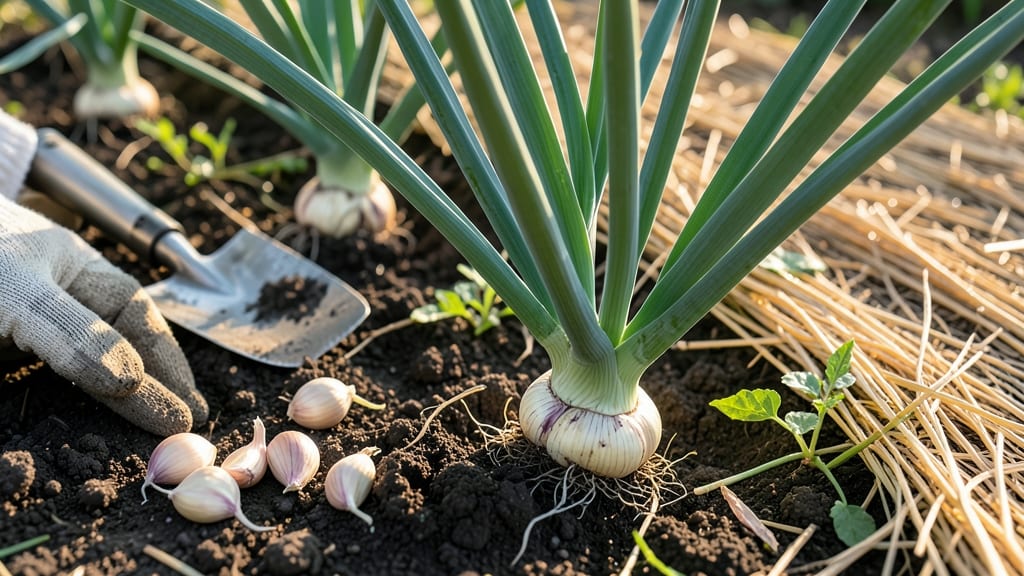
Planting garlic at the wrong time in Pennsylvania can mean the difference between a bountiful harvest and wasted effort—so timing matters more than most gardeners realize. Whether you're growing hardneck or softneck varieties, knowing when to plant garlic in Pennsylvania is the key to strong, healthy bulbs.
The ideal window is short but critical: late September to early November for fall planting or early March for spring.
With Pennsylvania's USDA Zone 5b-7a climate, you'll want to plant before the ground freezes, giving your 🧄 cloves time to establish roots. Fall planting is preferred because it allows the garlic to develop a strong root system before winter dormancy.
But don't worry if you miss that window—spring planting still works if done correctly.
I've learned that the most successful gardeners pay close attention to frost dates and soil temperatures. Planting too early can lead to weak growth, while waiting too long risks freezing before roots take hold.
Let me show you exactly how to time your planting for maximum yield, whether you're a beginner or a seasoned gardener.
In this guide, you'll discover the best months for each variety, how to prepare your soil, and common mistakes to avoid. By the end, you'll have a clear plan to grow garlic that's ready for harvest from late June to early July. Let's get started!
Best planting months for garlic in Pennsylvania by variety
Pennsylvania’s USDA zones 5b-7a create a unique window for garlic planting, where fall planting is ideal for most varieties. The key is timing it so cloves establish roots before the ground freezes—typically 4-6 weeks before first frost.
For Pennsylvania, this usually lands between late September and early November, but microclimates like Pittsburgh or the Poconos may shift dates by 1-2 weeks.
Hardneck varieties like ‘German Red’ or ‘Purple Stripe’ thrive when planted in fall because they need cold vernalization to form bulbs. Softneck types like ‘Silverskin’ are more flexible but still prefer fall planting for larger yields.
Spring planting (early March) is possible but often yields smaller bulbs due to shorter growing seasons.
Here’s how Pennsylvania’s regions break down: Northern areas (e.g., Erie) should plant by October 15, while Southern regions (e.g., Philadelphia) can extend until November 1. Always check your local frost forecast—a late freeze can ruin early plantings.
| Variety Type | Best Planting Window | USDA Zone Fit | Key Notes for PA |
|---|---|---|---|
| Hardneck (e.g., Rocambole, German Red) | Late September–early November | 5b–7a | Needs cold vernalization; best for scapes and large bulbs. |
| Softneck (e.g., Silverskin, Artichoke) | Late October–early November | 6a–7a | More heat-tolerant; stores longer but needs consistent moisture. |
| Spring-Planted (Any Variety) | Early March | 5b–7a | Smaller bulbs; risk of bolting in hot summers. |
Soil temperature is your best guide—aim for 40–50°F at planting depth. Use a soil thermometer to check; if temps drop below 32°F before roots establish, cloves may rot. In Pennsylvania’s unpredictable climate, mulching with straw after planting adds insulation and moisture retention.
Pro tip: Break apart garlic bulbs into individual cloves just before planting. The pointy end should face up—this ensures faster sprouting. Save the largest cloves for planting; smaller ones make great culinary garlic for the kitchen.
Hardneck varieties like ‘Music’ or ‘Chesnok Red’ are popular in PA because they handle the state’s winter chill well. Softnecks like ‘California Early’ are better for Southern PA’s milder winters but require longer growing seasons to mature fully.
If you miss the fall window, don’t despair—spring planting works, but shift your expectations. Bulbs will be smaller, and you’ll need to harvest earlier (late June) to avoid the heat. Use row covers in early spring to protect young shoots from late frosts.
Remember: Pennsylvania’s first frost can arrive as early as mid-October in the north or linger until November 15 in the south. Always plant 6 weeks before your average first frost date to give roots time to anchor.
For gardeners in Zone 5b (e.g., State College), aim for October 1–15. In Zone 7a (e.g., Pittsburgh suburbs), you can stretch until November 1. When in doubt, err on the earlier side—garlic planted too late may not bulb out before winter.
Finally, avoid planting garlic where onions, leeks, or garlic grew the previous year to prevent soil-borne diseases. Rotate crops and amend soil with compost or well-rotted manure for optimal growth.
Best planting months for garlic in Pennsylvania by variety
Pennsylvania’s USDA zones 5b-7a create unique challenges for garlic growers, but timing your plantings correctly can lead to larger bulbs and higher yields. The key difference lies between hardneck and softneck varieties, each requiring distinct planting windows to thrive in our climate.
For hardneck garlic—the preferred choice for Pennsylvania gardeners—aim to plant between late September and early November. This timing ensures roots establish before winter while allowing the plant to overwinter successfully in our cold winters.
Softneck varieties, though less common in PA, can also be planted in fall or early spring, but they’re better suited for milder microclimates.
Here’s how Pennsylvania’s microclimates affect your planting schedule: In northern PA (zones 5b-6a), plant by October 15th to avoid winter kill. In central/southern PA (zones 6b-7a), you have until early November before soil freezes.
Always check your local frost dates—mid-October is typically the first frost in most regions.
| Variety | Best Planting Window | Soil Temp Requirement | USDA Zone Fit |
|---|---|---|---|
| Hardneck Garlic | Late September - Early November | 40-50°F (4-10°C) | 5b-7a (All PA) |
| Softneck Garlic | Late September OR Early March | 50-60°F (10-15°C) | 6b-7a (Southern PA) |
| Elephant Garlic | Early March (Spring Only) | 55-65°F (13-18°C) | 6a-7a (Central/Southern PA) |
Spring planting is possible in Pennsylvania, but it’s riskier due to our short growing season. If you choose this route, plant hardneck varieties in early March—as soon as soil is workable—and expect smaller bulbs compared to fall-planted garlic.
For softneck, spring planting works better in southern PA’s warmer zones (6b-7a).
Pro tip: Use local frost date data from resources like the Penn State Extension to fine-tune your schedule. Aim to plant 4-6 weeks before ground freezes—this gives roots time to anchor before winter.
In northern PA, this often means late September planting, while southern PA gardeners can wait until early November.
Remember, garlic needs cold vernalization (a period of winter chill) to form bulbs properly. Planting too late risks poor bulb development, while planting too early may lead to rot or winter kill. Balance is key—especially in Pennsylvania’s variable climate. 🧄