
Plants
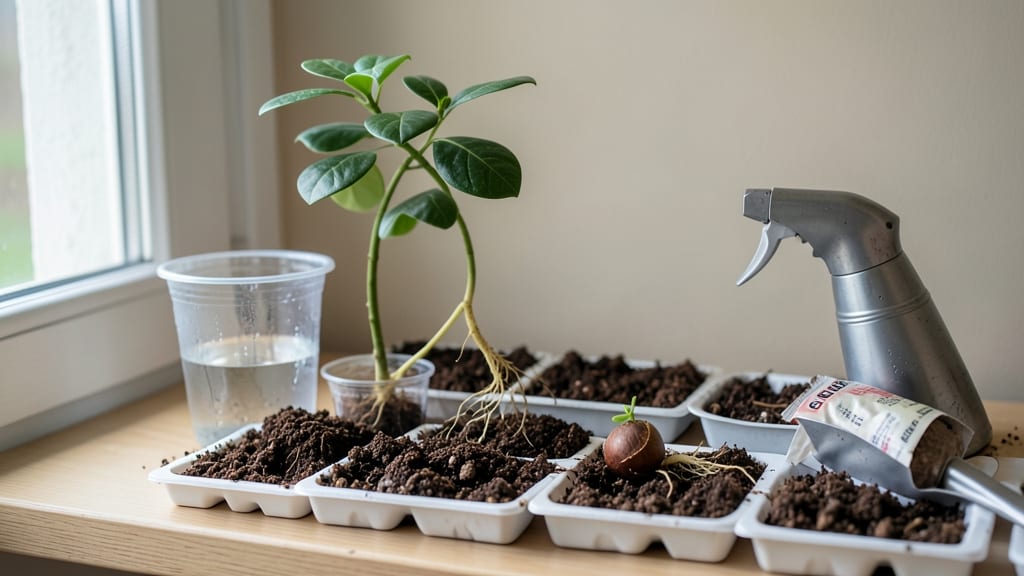
Knowing when to plant an avocado seed in soil is the difference between a thriving 🥑 tree and a sad, rotting seedling. Unlike most plants, avocado seeds need patience—sometimes months of root development before they’re ready for dirt.
The key? Waiting until roots reach 2-3 inches and the stem feels firm, then transitioning carefully to well-draining soil.
If you’re growing indoors, you can plant year-round—just keep your seedling near a sunny window. But outdoors in Zone 6a, timing matters: aim for late spring to early summer (after the last frost) to give your young tree a head start before cooler weather arrives.
Soil temperature should stay above 55°F to avoid stunted growth.
Here’s the secret most beginners miss: rushing the process. Planting too soon can drown your seed, while waiting too long risks stressing the delicate roots. I’ll walk you through the exact signs your avocado seed is ready—plus soil prep tips to ensure a smooth transition from water to earth.
Ready to turn that pit into a tree? Let’s break down the step-by-step timeline, from germination to planting, so you can avoid common pitfalls and give your avocado seed the best shot at success.
Optimal germination tricks before planting avocado seed in soil
Planting your avocado seed in soil too soon can drown its delicate roots, while waiting too long risks stunted growth. The key is watching for two clear signs: roots 2-3 inches long and a firm, woody stem.
These indicate the seedling is ready to handle soil’s drier conditions. Patience here prevents root rot and ensures a strong start.
Start by placing your seed in a jar of water with 1/3 submerged. Change the water every 2-3 days to prevent bacterial growth. Keep the jar in a warm, sunny spot (70-80°F) for best results. Avoid direct sunlight, which can overheat the water and damage the seed.
Once roots appear, increase water changes to daily to keep the environment clean. Healthy roots should grow 1/2 inch per week. If roots turn brown or smell foul, rinse them gently and refresh the water to prevent rot. This step is critical for seedling vitality before soil transition.
Here’s how to spot a ready-to-plant avocado seedling:
If your seedling’s roots are under 1 inch or the stem feels soft, it’s not ready for soil. Continue water germination for 2-4 more weeks. Overcrowding in the jar can also stunt growth—ensure only one seed per container to avoid competition.
Troubleshooting weak seeds: If roots grow slowly or turn brown, try these fixes:
- Increase warmth: Place the jar near a heat source (like a sunny window) to maintain 70-80°F.
- Add oxygen: Use a small aquarium pump to aerate the water if roots appear stressed.
- Check for pests: Inspect roots for mold or fungus; rinse with hydrogen peroxide (3%) if needed.
Once your seedling meets all readiness criteria, it’s time to transition to soil. The next step involves well-draining soil and careful planting depth—typically 1/3 of the seed exposed above soil level. This balance prevents rot while allowing roots to access oxygen.
Remember, avocado seeds can take 4-12 weeks to germinate, so don’t rush the process. Patience during this stage sets the foundation for a healthy, thriving tree in the long run. 🌱
Indoor vs. outdoor planting timeline for avocado seeds
Avocado seeds thrive year-round indoors, but outdoor planting depends on climate zones and temperature thresholds. In USDA Zone 6, aim for late spring to early summer (after April 15 frost risk) when soil warms to 55°F+.
Tropical zones (Zones 9-11) can plant outdoors year-round, while colder regions may need container growing for flexibility.
Indoor seedlings grow best near a south-facing window or under grow lights (6+ hours daily). Transition outdoors gradually by hardening off seedlings for 1-2 weeks before full exposure. Outdoor planting should align with your last frost date—wait until nighttime temps stay above 50°F consistently.
🌱 Indoor vs. Outdoor Planting Timeline
| Stage | Indoor Timeline | Outdoor Timeline (Zone 6) | Key Conditions |
|---|---|---|---|
| Seed Soaking | Day 1-3 | N/A (indoor only) | 24/7 water exposure |
| Germination | Week 4-12 | N/A | Roots 2-3 inches long |
| Soil Transition | Week 12-16 | N/A | Firm stem, no rot |
| Outdoor Hardening | Week 16-20 | Late May - Early June | 50°F+ night temps |
| Full Outdoor Planting | N/A | June - July | 60°F+ soil temp |
💡 Pro Tip: Use a seedling heat mat (70°F) to speed germination indoors if your home runs cool.
Outdoor planting in Zone 6 should happen after June 1, when soil temperatures exceed 60°F. Use black plastic mulch to warm soil faster if needed. For container growing, plant in 5-gallon pots with drainage holes—ideal for moving seedlings between indoor/outdoor spaces as seasons shift.
Monitor your seedling’s growth rate to adjust timelines. Indoor seedlings may reach 1-2 feet tall by Year 1, while outdoor-planted seeds grow slower (6-12 inches) if exposed to cold snaps. Always prioritize root health over speed—healthy roots mean faster adaptation to outdoor conditions.
In tropical climates, outdoor planting can start as early as February, but protect young trees from heavy rains (which cause root rot). Use elevated beds or containers to improve drainage. For Zone 6 gardeners, indoor growing extends the season by 3-4 months before risking outdoor planting.
Remember: Patience is key. Avocado seeds take 4-12 weeks to germinate—don’t rush the soil transition. Wait until you see 2-3 inches of roots and a firm, upright stem before planting. This ensures your seedling survives the stress of soil adaptation.