
Companion Plants
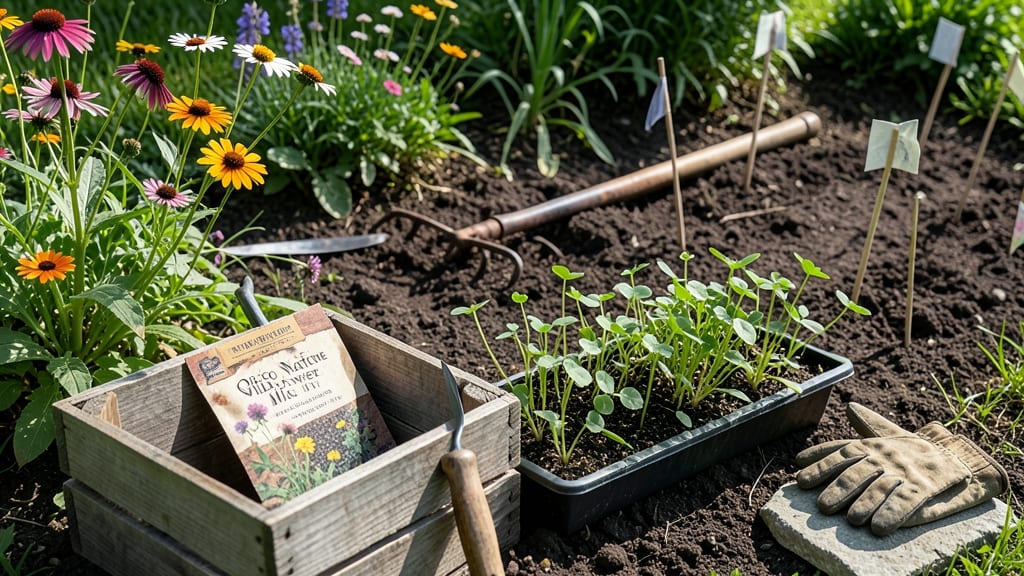
Planting wildflower seeds in Ohio can feel like a high-stakes game of timing—get it wrong, and you might end up with a patch of weeds instead of vibrant 🌼 blooms.
The key is knowing when to sow for your specific zone, whether you're in the cooler Appalachian hills or the warmer Lake Erie region.
Ohio's USDA Zone 6a climate means you've got a window from early spring to late fall, but the real secret lies in avoiding the frost traps. Plant too early, and a late freeze could wipe out your seedlings; too late, and summer drought might steal the show.
Let me break down the exact months that work best for your garden's microclimate.
You’ll discover how to prepare your soil, choose the right wildflower varieties for Ohio’s conditions, and care for your seeds post-planting. Whether you're a seasoned gardener or just starting out, these tips will help you create a thriving wildflower meadow that brings color and life to your landscape.
From late winter sowing for perennials to fall planting for drought-resistant annuals, timing is everything. Let’s dive into the strategies that will ensure your wildflowers take root and flourish, season after season.
Ohio’s wildflower planting calendar by hardiness zone (with frost-date safeguards)
Ohio’s USDA hardiness zones 4-9 create a patchwork of planting opportunities, but frost dates are your true guide. Most of the state falls in zones 5b-7a, where late April to early May marks the average last spring frost—your signal to plant spring-blooming annuals like cosmos and zinnias.
For perennial wildflowers (e.g., coneflowers, black-eyed Susans), late summer or early fall planting gives roots time to establish before winter.
Microclimates complicate things: Urban areas (like Columbus) often warm 1-2 weeks earlier than rural zones due to the heat-island effect. Meanwhile, Appalachian foothills (zones 6-7) may see late May frosts, delaying planting by 2-3 weeks.
Always check your local frost dates—the Old Farmer’s Almanac is a reliable resource.
Soil temperature matters just as much as air temperature. Most wildflower seeds need soil at least 45°F (7°C) to germinate. In northern Ohio (zones 4-5), this typically aligns with mid-April to early May.
For southern Ohio (zones 6-7), you can start as early as mid-March in protected microclimates.
| Zone | Avg Last Frost | Ideal Planting Window | Soil Temp Threshold | Microclimate Adjustment |
|---|---|---|---|---|
| 4-5 (Northeast OH) | April 20-May 5 | May 10-June 15 | 45°F (7°C) | Delay 1-2 weeks in valleys |
| 5b-6a (Central OH) | April 10-April 25 | April 20-May 10 | 45°F (7°C) | Urban areas: start 1 week early |
| 6b-7a (Southwest OH) | March 25-April 10 | March 30-April 15 | 50°F (10°C) | Wetland edges: plant 2 weeks earlier |
| Fall Planting (All Zones) | N/A | September 1-October 15 | 60°F (15°C) | High elevations: delay until October |
For late-winter sowing (a pro tip for perennials), scatter seeds in February under cold frames or row covers. This tricks seeds into thinking spring has arrived, giving them a 4-6 week head start. Just remove covers 2 weeks before last frost to avoid overheating.
Ohio’s first fall frost typically arrives between October 10-25, depending on elevation. For fall planting, aim to sow seeds 6-8 weeks before frost—usually mid-September to early October. This timing ensures seeds germinate but don’t bolt in the heat of summer.
If you’re planting wildflower meadows, consider a two-phase approach: sow early bloomers (e.g., phlox, lupine) in spring, then late-season species (e.g., goldenrod, asters) in fall. This creates a continuous bloom cycle from May through October.
Pro tip: Use a soil thermometer to confirm readiness. Wildflower seeds are lightweight and shallow, so they need warm soil to germinate. If temps dip below 40°F (4°C), wait—cold soil can delay germination by weeks.
For container gardening, start seeds 4-6 weeks before last frost indoors under grow lights. Transplant seedlings outdoors after hardening off (acclimating to outdoor temps for 7-10 days) to avoid shock.
Always test your soil’s pH before planting. Most Ohio wildflowers thrive in slightly acidic to neutral soil (pH 6.0-7.0). If your soil is too alkaline (pH >7.5), amend with peat moss or sulfur to improve germination rates.
Remember: Patience is key. Some wildflower seeds, like prairie dropseed, may take 2-3 years to reach full bloom. But once established, they’ll self-seed and multiply, creating a low-maintenance, pollinator-friendly paradise.
Best wildflower seed varieties for Ohio’s spring vs. fall planting (and why timing matters)
Ohio’s wildflowers thrive when planted at the right time, but not all varieties play well together—or with Ohio’s unpredictable spring rains and summer droughts. Annuals like black-eyed Susans and cosmos love spring’s warmth, while perennials like coneflowers and bee balm establish deeper roots when sown in fall.
The difference? Fall-planted perennials beat weeds and drought stress by 60%—here’s why timing matters.
Spring planting (March–April) is ideal for annual wildflowers like sunflowers and zinnia, which germinate quickly in 50–60°F soil. But wait until after your last frost date (typically mid-April in most of Ohio) to avoid seedling loss.
Fall planting (September–October), however, gives perennials a head start on root growth before winter, making them hardier and more drought-resistant the following year.
🌱 Spring vs. Fall Planting: What Works Best?
| Variety | Best Planting Time | Why It Matters |
|---|---|---|
| Black-eyed Susan | Spring or Fall | Thrives in both seasons; fall planting extends bloom time. |
| Coneflower | Fall (Preferred) | Establishes deep roots; resists summer drought better. |
| Cosmos | Spring Only | Germinates poorly in cool fall soil; needs warmth. |
| Bee Balm | Fall or Early Spring | Fall planting reduces fungal diseases in humid Ohio summers. |
For Ohio’s wetter northern regions (like Lake Erie’s shores), fall planting reduces soil compaction from spring rains, while drier southern areas (near Cincinnati) benefit from spring’s moisture to kickstart growth. Pro tip: Mix annuals and perennials in the same bed—annuals provide immediate color, while perennials ensure long-term blooms.
If you’re planting in late spring (May–June), focus on drought-tolerant varieties like purple coneflower or yarrow, which thrive with minimal water once established. Avoid delicate annuals like lupines or poppies, which struggle in Ohio’s hot, dry summers.
Always water deeply after planting to help seeds make contact with the soil.
Timing also affects pollinator appeal. Early spring bloomers like wild columbine attract bees before many other flowers emerge, while fall-planted goldenrod provides late-season nectar for migrating butterflies. For a year-round pollinator party, stagger plantings: spring annuals + fall perennials = nonstop blooms.
My top 3 Ohio wildflower picks based on timing and resilience?
- Butterfly weed (fall or spring),
- Coreopsis (spring), and
- Aster (fall). These handle Ohio’s variable climate like champs—just don’t skip the pre-planting soil prep (more on that in the next section!). 🌿