
Companion Plants
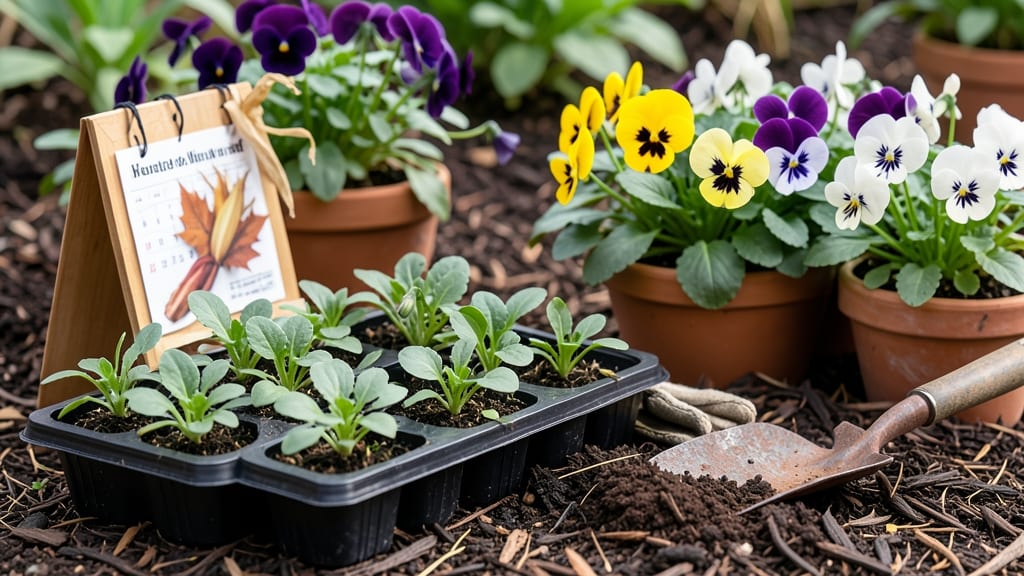
If you're asking "when can I plant pansies in the Northeast", the answer isn't just about the calendar—it's about catching that sweet spot between frost and warmth where these 🌸 pansies truly shine.
Here's the secret: Pansies in zones 5-7 love cool weather and can handle light frost, but planting them too early risks stunted growth, while waiting too long means missing out on those vibrant blooms. The key is timing them right for either early spring or late summer/fall planting windows.
I'll walk you through the exact months to plant for maximum bloom time, how to protect them from late frosts, and why some gardeners in the Northeast swear by planting pansies as annuals for continuous color. Let's get those frost-resistant flowers thriving in your garden!
You'll also discover how to extend their season with simple tricks like mulching and microclimate selection—because with the right approach, these cheerful blooms can brighten your garden from spring right through fall. Ready to transform your landscape?
Northeast pansy planting calendar: best months by climate Zone
Timing your pansy planting in the Northeast depends on your USDA zone and whether you want spring or fall blooms. Most gardeners in Zones 3-7 plant pansies twice a year: early spring for summer color and late summer for winter interest.
The key is avoiding extreme cold while giving plants time to establish roots before frost.
In Zone 3, where winters are harshest, focus on late summer planting (mid-August) for fall blooms that last until snowfall. In Zone 7, you can push spring planting as early as March or even February in mild microclimates.
Always check your last frost date—planting 4-6 weeks before the first frost ensures strong root growth before winter.
Here’s how to align your planting with Northeast frost dates and bloom goals:
| Zone | Last Frost Date | Best Spring Planting | Best Fall Planting | Bloom Window |
|---|---|---|---|---|
| 3 | Early May | Late April–May | Mid-August–Sept 15 | June–Oct (fall) |
| 4 | Late April | Early April–May | Late July–Sept 1 | May–Nov (fall) |
| 5 | Mid-April | March–April | Early August–Sept 15 | April–Dec (fall) |
| 6 | Late March | February–March | Late July–Sept 1 | March–Jan (fall) |
| 7 | Early March | January–February | June–August | February–March (spring) |
For spring blooms, aim to plant 4-6 weeks after your last frost date. In Zone 5, that’s typically March or early April. If you plant too early, pansies may bolt (send up flower stalks prematurely) or rot in cold, wet soil.
Use row covers if nighttime temps dip below 20°F.
Seedlings are more cold-hardy than seeds, so transplanting is easier than direct sowing in the Northeast.
Start seeds indoors 8-10 weeks before your last frost date, then harden them off before moving outside. Perennial pansies (like Viola cornuta) can overwinter in Zones 5-7 if mulched properly, but most gardeners treat them as annuals for consistent color.
Pro tip: Plant shade-tolerant pansies near hostas or ferns for a low-maintenance border. Their cool-season resilience makes them perfect for early spring or late fall color when few other flowers bloom. Just avoid planting in full sun during summer—pansies appreciate morning sun and afternoon shade.
If you’re in Zone 3 and want winter blooms, try Viola ‘Ice King’ or ‘Moonlight’—these varieties handle -20°F with mulch. In Zone 7, you can even plant pansies in December for early spring flowers, but protect them with straw mulch or burlap wraps.
Remember: Soil temperature matters as much as air temperature. Pansies thrive when soil is 40–70°F. Use a soil thermometer to confirm conditions before planting—cold soil slows germination and root growth. Well-draining soil with compost is ideal to prevent root rot in wet Northeast springs.
How to extend pansy blooms through Northeast winters: cold-hardy tips
Pansies aren’t just spring flowers—they’re year-round survivors in the Northeast with the right care. Their frost tolerance makes them perfect for fall and winter color, but harsh winds and deep freezes can still take a toll.
The key is creating a protective microclimate that shields them without sacrificing their cheerful blooms.
Start by choosing sheltered planting spots like near fences, walls, or evergreen shrubs. These areas trap heat and block wind chill, keeping soil temps just right for pansies.
Even a 3-foot-tall barrier can add 5-10°F of protection during cold snaps. I’ve seen pansies thrive in Zone 5 gardens planted against brick walls all winter long!
Mulching is your secret weapon for winter survival. Apply 3-4 inches of straw or shredded leaves after the first frost. This insulating layer keeps roots 5-10°F warmer than ambient air temps. Just
- 🌡️ Plant 4-6 weeks before first frost for fall blooms that last through winter
- 🌿 Use row covers (floating fabric) for 20°F protection during extreme cold snaps
- ☀️ Choose south-facing beds—they get 30% more sunlight in winter
- 🪴 Group pansies with ornamental grasses—they act as windbreaks
- 💧 Water deeply before winter to establish roots, then reduce to bi-weekly in dormancy
For extended winter color, try succession planting every 4-6 weeks from August through October. This ensures fresh blooms as old plants fade. I’ve had continuous color from September to May using this method in Zone 6. Just stagger varieties—cool-tolerant types like 'Matrix' series handle winter better than heat-sensitive ones.
Watch for winter burn—crispy leaf edges from sun exposure on frozen soil. To prevent it, add light shade cloth (30-50%) on sunny winter days. Even a simple DIY frame with cheesecloth works.
And if you see yellowing leaves, it’s often overwatering—pansies need less water in winter when growth slows.
With these tricks, your pansies will bloom through snow and keep your garden vibrant when most flowers are dormant. The earliest blooms often appear in late winter—just as spring feels far away. That’s the magic of cold-hardy pansies in the Northeast!