
Planting
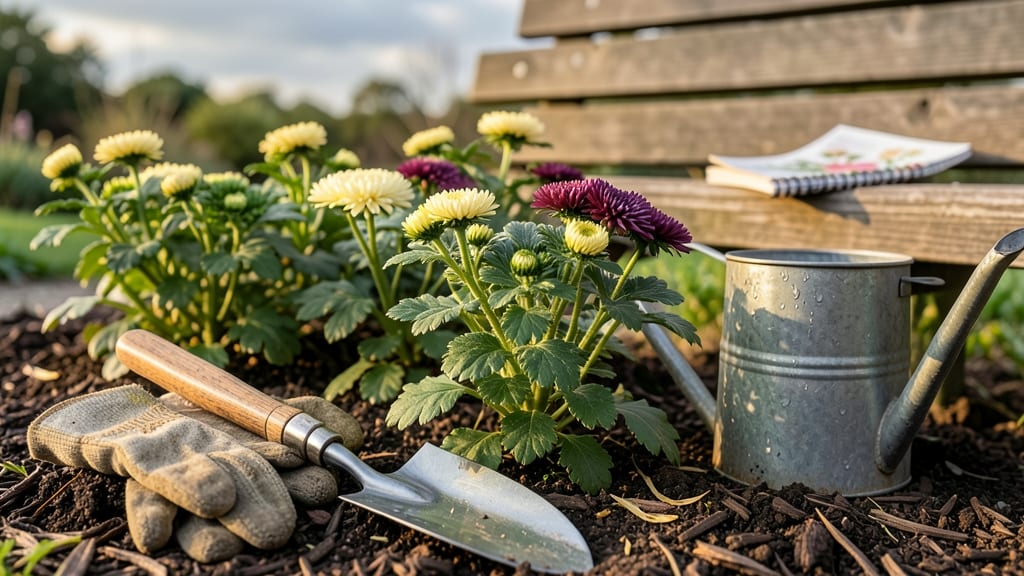
When can I plant mums in the ground? Timing is everything—these hardy blooms thrive when planted 4-6 weeks before your first frost, giving their roots time to establish before winter sets in.
If you're in Zone 6a like me, that means getting them in the ground by mid-September at the latest. Too early, and they'll bolt or struggle in summer heat; too late, and frost will nip them before they even show color.
The key is timing them perfectly for your local climate.
I've learned the hard way that mums planted too soon often flop in the heat, while those planted too late may not bloom at all. But with the right approach, you can ensure vibrant 🌼 color that lasts right through fall.
Let me show you exactly when to plant for your zone, plus the care tricks that keep mums blooming longer. Your fall garden will thank you!
Best planting times for mums by US hardiness Zone
Timing your mum planting is the secret to vibrant fall blooms that last until frost. Unlike spring flowers, mums thrive in cooler weather, so planting them too early risks bolting (premature flowering) or poor root establishment.
The golden rule: plant 4-6 weeks before your first frost—this gives roots time to anchor before winter sets in.
Your USDA hardiness zone determines the exact window. For example, in Zone 5, aim for mid-August to early September, while Zone 8 gardeners can plant as late as October. Late-season varieties like 'Bonnette' even tolerate light frosts, extending your planting window by 2-3 weeks in cooler climates.
Potted mums from garden centers are already in bloom, but their transplant timing differs. These are typically fall-blooming annuals bred for short-term color. Plant them 2-3 weeks before your first frost to enjoy their showy flowers before winter.
For perennial mums (like 'Dynasity'), follow the 4-6 week rule for best overwintering success.
Miss the ideal window? Don’t panic. In warmer zones (9-10), you can plant mums as late as November, but they’ll need winter mulch to protect roots. In colder zones (3-4), start seeds indoors 10-12 weeks before your last frost for early blooms.
Pro tip: Check your average first frost date (use the Old Farmer’s Almanac) and count backward. For instance, if frost hits November 15, plant by October 1 for a head start.
| Zone | Ideal Planting Window | Notes |
|---|---|---|
| 3-4 | Late July to early August | Start seeds indoors; use cold-hardy varieties like 'Bonnette' |
| 5-6 | Mid-August to early September | Perfect for perennial mums; mulch after planting |
| 7-8 | Late August to October | Late varieties like 'Dynasity' thrive; extend window with mulch |
| 9-10 | September to November | Plant near structures for frost protection; minimal mulch needed |
Soil temperature matters just as much as air temperature. Mums prefer cooler soil (60-65°F). In hot climates, wait until evening temps drop below 80°F before planting to avoid heat stress. A quick soil check with a thermometer ensures you’re planting at the right time.
For container-grown mums, acclimate them first. Harden off potted plants by placing them outdoors in partial shade for 3-5 days before transplanting. This reduces shock and helps roots adjust to outdoor conditions. Water deeply the day before planting to encourage root expansion.
Spacing is another critical factor. Crowded mums compete for nutrients and light, leading to smaller blooms. Give each plant 12-18 inches of space (check variety tags for specifics). Dwarf varieties like 'Little Albert' need only 9-12 inches, while standard mums thrive with 18-24 inches between plants.
After planting, mulch heavily (2-3 inches) with straw or shredded leaves to insulate roots. This protects against temperature swings and retains moisture, especially in dry fall weather. In zones with harsh winters, add an extra layer of mulch in late fall.
Watch for early signs of stress like yellowing leaves or wilting. These can signal overwatering, underwatering, or poor drainage. Adjust your care routine immediately—mums are resilient but need consistent moisture without soggy soil.
How to extend mum blooms: soil, sun, and spacing tips
Once you’ve planted your chrysanthemums at the right time, the real secret to long-lasting blooms lies in three key factors: soil quality, sunlight exposure, and proper spacing.
These elements work together to create the ideal environment for your mums to thrive through fall—and even into winter for cold-hardy varieties.
I’ve learned from experience that well-draining soil is non-negotiable. Mums hate soggy roots, which can lead to rot or fungal diseases like powdery mildew. Amending your garden bed with compost or aged manure before planting ensures nutrients are available while preventing waterlogging.
Aim for a slightly acidic to neutral pH (6.0–7.0) for optimal growth.
Mums need consistent moisture but despise wet feet. Water deeply once a week (or more in extreme heat), always in the morning to allow foliage to dry before evening. Yellowing leaves or wilting stems? You’re likely overwatering—or underwatering. Adjust based on rainfall and soil dryness.
Sunlight is another game-changer. Full sun (6+ hours daily) is ideal for mums, especially if you’re growing late-blooming varieties. In shadier climates (Zones 5–7), opt for semi-hardy mums like ‘Bonnette’ or ‘Dynasity,’ which tolerate partial shade but may bloom less prolifically.
If your garden is low-light, consider container growing near a south-facing wall for extra sun exposure.
Proper spacing prevents competition for nutrients and improves airflow, reducing disease risk. For standard mums (2–3 ft tall), space plants 12–18 inches apart. Dwarf varieties (1–1.5 ft) can be planted 8–12 inches apart.
Crowding stresses plants, leading to fewer blooms and weaker stems. I once planted mums too close together, and by October, they were leaning over like drunk gardeners—hardly the dramatic fall display I’d envisioned!
To extend blooms into late fall, deadhead spent flowers regularly. This redirects the plant’s energy from seed production to growing new buds. Pair this with a light fertilizer application (10-10-10) in early September to give your mums a nutrient boost.
Avoid late-season fertilizers high in nitrogen—they’ll produce lush foliage but fewer flowers.
Finally, mulch around the base of your mums with 2–3 inches of organic mulch (like shredded leaves or straw) to retain moisture and regulate soil temperature. This is especially helpful in warmer climates (Zones 8–10), where soil can stay too hot for root comfort.
Mulching also protects roots from early frost in colder zones.
With these tips, your mums will reward you with bold, long-lasting blooms that turn heads all season long. The key is consistency—good soil, plenty of sun, and thoughtful spacing will keep your garden vibrant until the first hard frost. 🌼