
Plants
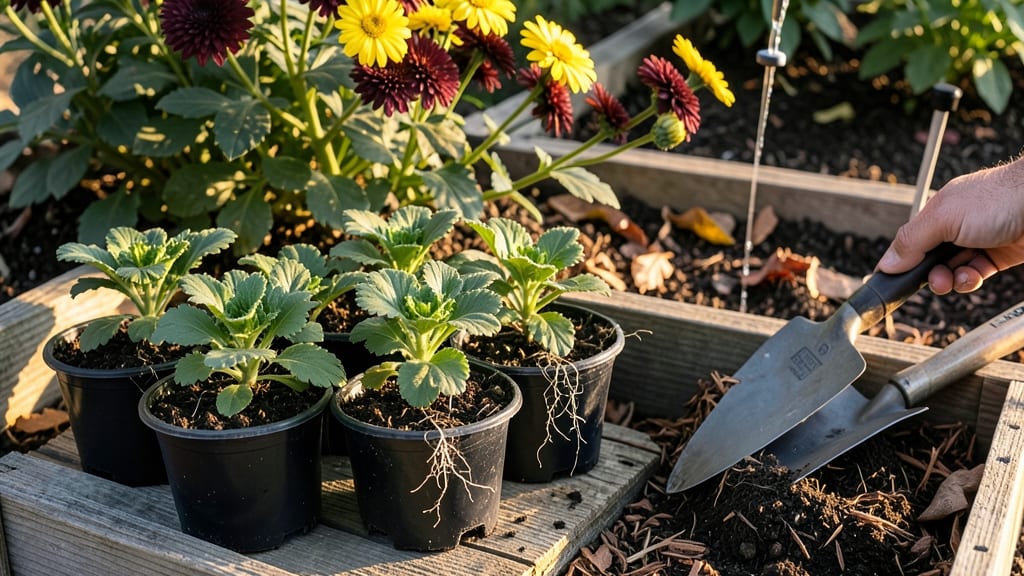
Timing when can you plant mums in the ground is the secret to a garden bursting with fall color—get it wrong, and you might end up with sad, sparse blooms instead of the vibrant display you dream of.
If you're in USDA Zone 6a or similar climates, the ideal window for planting mums is early fall, giving them 4-6 weeks to establish roots before frost sets in.
But what if you missed that window? Don't worry—spring planting is still an option, though it comes with its own set of challenges.
In this guide, I’ll walk you through the exact months to plant for zero frost risk, how to prep your soil for success, and what to watch out for if you’re planting outside the traditional timeline.
Whether you're a first-time gardener or a seasoned pro, these tips will help you grow mums that thrive.
Ready to transform your garden into a fall spectacle? Let’s dive into the best practices for planting mums so you can enjoy their beauty from September to October and beyond.
Optimal planting Zones and months for mums by USDA hardiness Zone
Planting mums at the right time is the secret to vibrant blooms and zero frost damage. Unlike many plants, mums thrive when planted in cool-season windows, typically 4-6 weeks before the first frost.
This ensures they establish roots before winter dormancy. Your USDA hardiness zone dictates the best months—let’s break it down by region.
For most gardeners in Zones 5-9, the ideal window is early September to mid-October. In colder Zones 3-4, aim for late August to early September to avoid early frost.
Meanwhile, Zones 10-11 can plant as late as November, thanks to milder winters. Always check your local last-frost date using NOAA data or your county extension office for precision.
Here’s a quick reference to avoid common mistakes. Planting too early risks bolting (premature flowering), while planting too late can leave roots vulnerable to frost. The key is soil temperature—mums prefer 60-65°F for root establishment.
🌼
If you’re in a warmer microclimate (e.g., urban heat islands), you might push planting to late October. Conversely, high-altitude gardens in Zone 6 may need to plant by mid-September to avoid early frosts. Always monitor weekly forecasts for unexpected cold snaps.
Pro tip: Use mulch (2-3 inches) after planting to insulate roots and retain moisture. In Zones 3-5, add a lightweight row cover if nights dip below 40°F after planting. This extra layer can mean the difference between survival and failure.
For gardeners in transition zones (e.g., Zone 7b/8a), aim for late September. These areas often experience unpredictable frost dates, so err on the side of earlier planting. If you’re unsure, ask your local nursery—they track frost data year-round.
Remember, mums planted in fall will bloom the following year, while spring-planted mums often bolt and produce weak stems. The 4-6 week rule before frost is your golden ticket to showstopping color.
✂️
Can you plant mums in spring? What happens when you break the cool-season rule
Planting mums in spring might seem like a logical choice—after all, why wait for fall? But these cool-season plants have a secret: they thrive when planted in the early fall, not spring.
Spring planting can trigger bolting (premature flowering) or weak root systems that struggle to establish before summer heat. Let’s break down why spring is risky and how to salvage late plantings if you missed the fall window.
Mums planted in spring often bolt (send up flower stems too early) because they sense longer daylight hours. This means fewer blooms and a shorter display. Even if they survive, their roots may not establish deeply enough to handle summer drought or heat stress.
The ideal scenario? Planting 4-6 weeks before your first frost—usually September or early October in most regions.
⚠️ Spring Planting Risks
- Bolting: Flowers appear too early, reducing fall display.
- Weak roots: Struggle to establish before summer heat.
- Drought stress: Shallow roots can’t access moisture.
🌡️ Solution: If planting in spring, use shade cloth and mulch to protect roots.
That said, if you must plant in spring, act fast. Choose early spring (March or April) before soil warms too much. Use shade cloth to reduce heat stress and mulch heavily to retain moisture. Water deeply in the morning to prevent fungal issues, and avoid fertilizing until roots are established.
For the best results, stick to fall planting. If you’ve already planted in spring, don’t panic—just give them extra care. Monitor for bolting and prune back flower stems if they appear too early.
With patience, your mums can still put on a late-summer or fall show, just not as dramatically as their fall-planted counterparts.
Remember, mums are perennials in warmer climates (zones 8-11) but often treated as annuals in colder regions. If you’re in a cooler zone, treat them as annuals and replant fresh tubers each fall for the best blooms. Spring plantings may not survive the winter, so plan accordingly.
Pro tip: If you’re unsure about your local frost dates, check the USDA Plant Hardiness Zone Map or ask your local extension office. They’ll give you the exact window for zero frost risk planting—because nothing beats a mum that blooms like it’s supposed to! 🌼