
Companion Plants
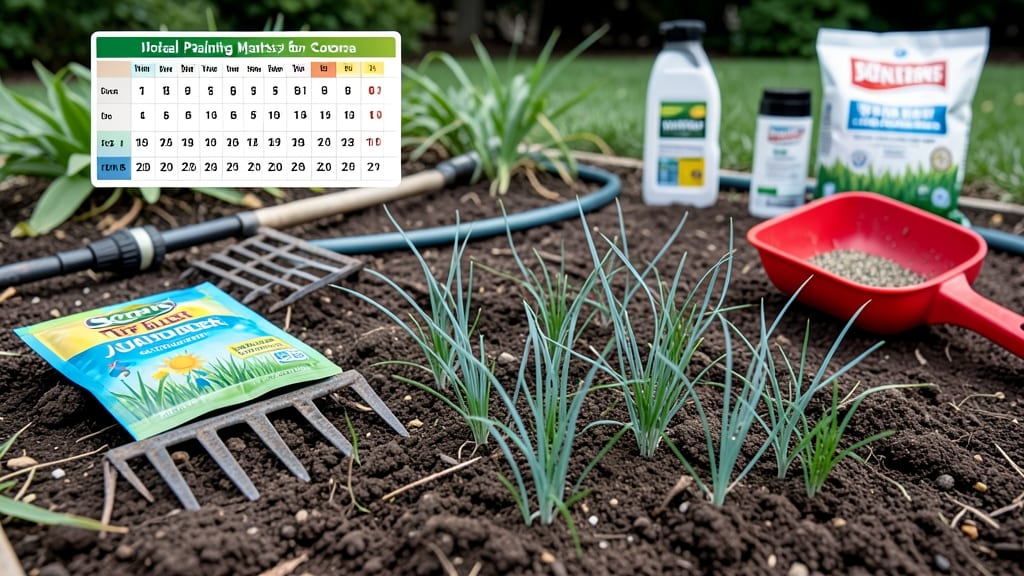
Colorado grass seed planting calendar: best months by region and elevation
Colorado’s diverse geography means your grass seed planting timeline depends heavily on elevation and microclimate. The Front Range’s 5,000–6,000 ft zones have different ideal windows than the Western Slope’s 4,000–5,000 ft or high-altitude areas above 7,000 ft.
Getting this right means avoiding late frosts or summer droughts that can turn your seed into dust.
Most Colorado gardeners focus on two planting windows: late spring and early fall. Spring planting gives grass a head start before summer’s heat, while fall planting lets roots establish before winter dormancy. But timing varies 1–2 months between regions—don’t assume Denver’s schedule applies to Grand Junction!
Notice how high-altitude areas shift their windows 2 months later than lower elevations? That’s because soil stays colder longer at 7,000+ ft, and frost dates arrive earlier. For example, Steamboat Springs might see its last frost in June, while Denver wraps up by mid-May.
Soil temperature is more critical than air temperature. A soil thermometer ($15 at garden centers) will show you when conditions are truly right—don’t guess! For the Front Range, aim for 55–65°F soil temps; Western Slope needs 60–70°F due to its drier climate.
High-altitude areas can start as low as 45°F for cold-hardy varieties.
Pro tip: Check Colorado State University’s frost forecasts (updated weekly) to adjust your timeline. In 2022, a late April frost in Fort Collins wiped out early plantings—don’t let that happen to you!
Planting too early risks seed rot from cold, wet soil, while waiting too long means weeds will outcompete your grass.
If you’re in Denver or Boulder, mark your calendar for September 1–October 15—this is the sweet spot for fall planting. Grass seeds germinate best when soil temps are 60–65°F, and fall rains help keep moisture consistent without the evaporation risks of summer.
For Grand Junction or Pueblo, lean toward August–September to avoid the 1
Spring vs fall grass planting in Colorado: pros, cons, and critical mistakes to avoid
Deciding between spring and fall planting for your Colorado lawn isn’t just about timing—it’s about survival. Both seasons offer unique advantages, but Colorado’s unpredictable weather and microclimates can turn a good decision into a costly mistake. Let’s break down the pros, cons, and Colorado-specific pitfalls to help you choose wisely.
Spring planting gives your grass a longer growing season to establish roots before summer’s heat sets in. However, late spring frosts (common until mid-May in Denver) can kill tender seedlings, while hail storms in May/June often damage new growth.
The trade-off? Less weed competition early on and easier watering before droughts hit.
Fall planting, on the other hand, lets grass establish roots before winter dormancy, reducing the need for frequent watering as days shorten. But early snow or a hard freeze (especially after September 15) can stunt growth, and soil compaction from fall rains may limit aeration.
The key? Planting 6–8 weeks before the first hard freeze, typically between October 15–November 1 in most regions.
Spring Planting
Pros
- Longer growing season for establishment
- Less weed competition early on
- Easier to water before summer droughts
Cons
- Late frosts can kill new seedlings (Denver area risk until mid-May)
- Hail storms in May/June may damage tender grass
- Requires vigilant irrigation during dry spells
Fall Planting
Pros
- Cooler temps reduce weed germination
- Grass establishes roots before winter dormancy
- Less watering needed as days shorten
Cons
- Early snow or hard freeze can stunt growth (watch Sept 15+ forecasts)
- Shorter window for seedling establishment
- Soil may compact from fall rains, reducing aeration
For Colorado gardeners, the best choice often depends on your specific region. High-altitude areas (above 7,000 ft) benefit from late summer/early fall planting (July–August) to avoid early snow, while the Front Range can handle both spring and fall with careful timing.
Always check local frost dates and monitor weather forecasts—your lawn’s success hinges on these details.
One critical mistake many Colorado lawn owners make? Ignoring soil temperature in favor of air temperature. A warm afternoon might trick you into planting too early, but if the soil hasn’t reached 55°F (Front Range) or 60°F (Western Slope), your seeds will struggle to germinate.
Use a soil thermometer to avoid this pitfall.
Whether you choose spring or fall, prioritize seed variety suited to Colorado’s climate. Cold-hardy blends like Kentucky Bluegrass or Tall Fescue thrive in our conditions, while southern varieties like Bermuda grass will fail spectacularly.
With the right timing and preparation, your lawn can become the envy of the neighborhood—no guesswork required.