
Plants
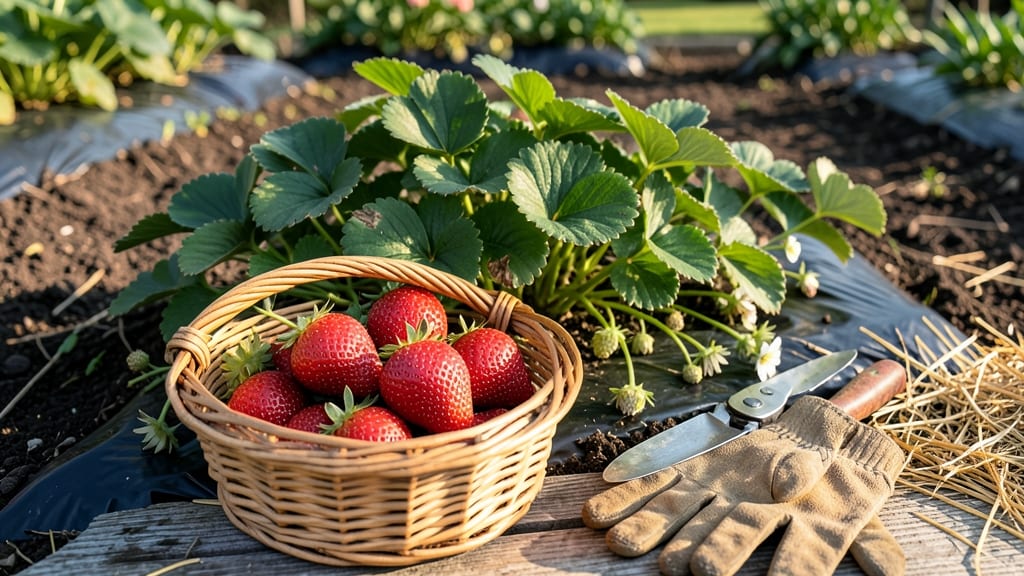
If you're craving the sweetest, juiciest strawberries you've ever tasted, knowing when Plant City strawberries are in season is your golden ticket to a flavor explosion.
This tiny Florida town isn't just famous for its berries—it's the heart of America's strawberry country, where fields burst into 🍓 perfection for just a few magical months each year.
The real magic happens between March and May, when the entire region transforms into a sea of red. But here's the catch: timing matters more than you think.
A late frost or unexpected rain can shift the harvest window, so local farmers and pickers rely on more than just a calendar—they watch the weather like hawks.
Miss the peak, and you might end up with berries that aren't quite as sweet or plump as the ones you'll find at the height of season.
What makes Plant City's strawberries so special? It's not just the climate—it's the 9a growing zone that gives these berries their legendary sweetness. Whether you're planning a picking trip or dreaming of homemade strawberry shortcake, understanding the rhythm of the season will help you make the most of your visit.
Let's break down exactly what to expect and how to time your trip for the best experience possible.
From farm-fresh markets to U-pick fields, the season brings more than just berries—it brings community, tradition, and a taste of Florida you won't find anywhere else. Ready to discover the best ways to enjoy this seasonal treasure? Let's dive into the details that will turn your strawberry dreams into reality.
Plant City strawberry season timeline: exact months & weather-dependent variations
Plant City, Florida, isn’t just called the "Strawberry Capital of the World" for nothing—its peak strawberry season delivers some of the sweetest, juiciest berries you’ll ever taste. But timing your visit is everything.
The primary harvest window runs from late February through June, with the absolute sweetest berries appearing in March, April, and May. This aligns with Florida’s USDA Zone 9a climate, where frost-free days stretch from October to April, giving strawberries the perfect growing window.
However, don’t assume every month is equal. Early varieties like ‘Sweet Charlie’ and ‘Camarosa’ kick off the season as early as late February, while later varieties like ‘Seascape’ extend the harvest into June.
Weather plays a huge role—unseasonably cold snaps can delay ripening, while hot, dry spells might concentrate sugars, making berries even sweeter but potentially smaller. Farmers often adjust their planting schedules based on these factors, so flexibility is key.
Here’s the golden rule for planning: If you visit in March or April, you’ll catch the first flush of berries—smaller but bursting with flavor. By May and June, berries are larger but may be slightly less intense in taste.
Pro tip: Call your favorite farm a week before visiting to ask about their current harvest status. Many update their Facebook pages or websites with real-time picking alerts.
🌱
| Month | Key Varieties in Season | Berries per Plant (Approx.) | Weather Impact | Best For |
|---|---|---|---|---|
| Late February | Sweet Charlie, Camarosa | 50-100 berries | Cool nights, warm days | Early pickers, jam makers |
| March | Pajaro, Seascape | 100-200 berries | Ideal balance | Fresh eating, markets |
| April | Chandler, Fortuna | 150-300 berries | Warmer, potential drought | U-pick events, bulk sales |
| May-June | Seascape, Jewel | 200-400 berries | Hot, humid | Late-season festivals |
If you’re planning a strawberry festival trip, align your visit with local events like the Plant City Strawberry Festival (typically held in May). This festival isn’t just about picking—it’s a celebration of Florida’s strawberry heritage, featuring cook-offs, live music, and farm tours.
But even outside festival season, farms like Strawberryland and Hilltop Farms offer U-pick opportunities throughout the season, with some extending into early July for late varieties.
For those who can’t make it to Plant City, understanding this timeline helps if you’re growing strawberries at home in a similar climate. Planting in fall (September-October) or winter (January-February) mimics the local schedule, ensuring your berries ripen just as the Florida fields do.
Just remember: consistent moisture and full sun are non-negotiable for replicating that Plant City sweetness.
One common misconception is that strawberries are only available in summer. In reality, Plant City’s cool-season varieties thrive in Florida’s winter months, while everbearing types produce berries in both spring and fall.
This dual harvest strategy is why you’ll find strawberries in local markets from February through June, with occasional late-season picks into July.
🌿
To maximize your strawberry-picking experience, I recommend visiting on a weekday morning. Crowds thin out after 10 AM, and berries are often at their peak freshness.
Bring clippers or scissors (many farms provide them, but your own ensures clean cuts), a bucket with a lid (to keep berries cool), and $5-$10 per pound in cash—most farms don’t take cards. And if you’re lucky, you might score
Plant City strawberry season timeline: exact months & weather-dependent variations
Plant City, Florida, isn’t just called the "Strawberry Capital of the World" for nothing—its peak strawberry season runs from late February through early June, delivering some of the sweetest berries you’ll ever taste.
The exact timing depends on weather patterns and variety types, but most farms follow this general schedule to maximize flavor and yield.
Early varieties like Camarosa and Seascape kick off the season in late February, while later varieties like Sweet Charlie extend the harvest into early June. Rainy or unusually cold spells can delay ripening, so checking farm updates before your trip is wise.
The USDA Zone 9a climate keeps frost at bay, ensuring a longer harvest window than northern regions.
| Season Stage | Timeframe | Key Notes |
|---|---|---|
| Early Varieties | Late February - March | Sweetest, most flavorful; limited supply |
| Peak Season | March - April | Highest volume; best prices at farms |
| Late Varieties | May - Early June | Smaller berries; ideal for jams |
Temperature plays a huge role in strawberry ripening. Ideal daytime temps of 70-85°F speed up maturation, while nights below 55°F can stunt growth.
The 2023 season saw early blooms due to mild winters, but farmers still recommend checking individual farm calendars for U-pick availability, as some may open earlier or later based on crop performance.
If you’re planning a trip, aim for weekdays in March or early April to avoid crowds and secure the freshest berries. Many farms also offer extended-season varieties planted in fall, which may produce berries as early as December—perfect for holiday treats!
Just be prepared for higher prices during off-peak months.
Pro tip: Pack a cooling bag and wear gardening gloves—strawberries bruise easily, and thorns on some varieties can be sneaky! The sweetest berries are often the ones picked first thing in the morning, when they’ve had time to cool slightly after overnight dew.
🌱 Whether you’re a local or traveling from out of state, timing your visit to Plant City’s strawberry season means you’ll leave with baskets full of berries so fresh, they’ll taste like summer in every bite.