
Plants
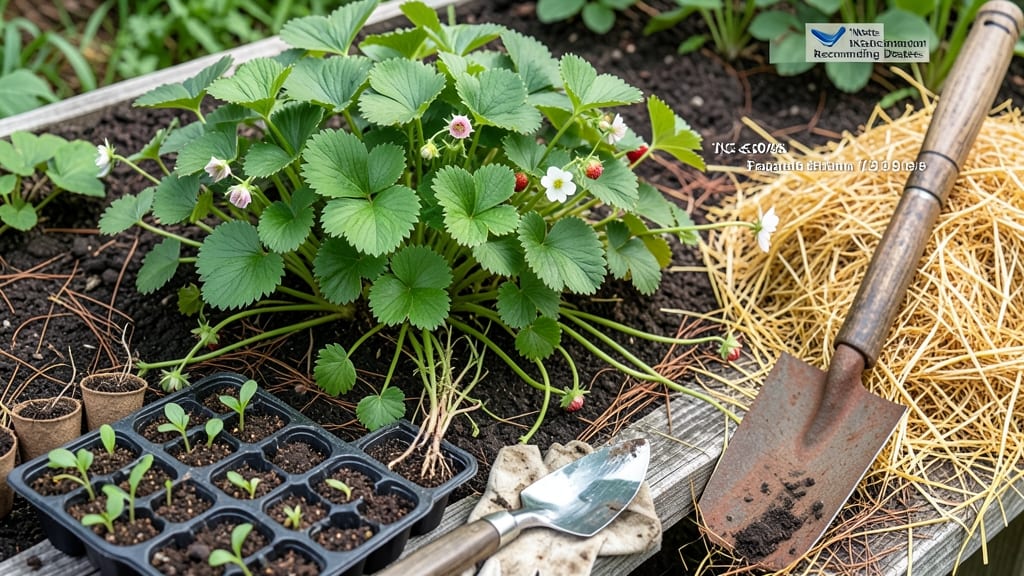
If you're dreaming of a bountiful strawberry harvest in North Carolina, when do you plant strawberries in North Carolina is the first question—and getting it right ensures the difference between tiny berries and a summer full of sweet, juicy 🍓.
The key isn't just about planting in spring; it's about matching your June-bearing strawberries to your region's chill-hour zones to trigger perfect flowering.
North Carolina's climate varies dramatically from the Coastal Plain to the Mountains, and each zone has its own sweet spot for planting.
Whether you're working with bare-root plants or potted varieties, knowing when to put them in the ground makes the difference between a few weeks of fruit and a full summer of sweet, juicy 🍓.
I'll walk you through the exact planting windows for your area—whether you're in the Piedmont or the Mountains—and how to prepare your soil for maximum success. No more guesswork, just a foolproof schedule tailored to North Carolina's unique growing conditions.
Ready to transform your garden into a strawberry paradise? Let's get started with the best times to plant and how to set your strawberries up for a record-breaking harvest.
North Carolina chill-hour zones: how to match strawberry varieties for June-bearing success
North Carolina’s diverse climate—from the Coastal Plain to the Mountains—means strawberry planting success depends on chill-hour requirements. June-bearing varieties like Chandler or Allstar need 400-1,000 chill hours (temperatures between 32°F and 45°F) to trigger fruiting.
If you’re in Zone 7a (eastern NC), you’ll need June-bearing varieties with 500+ chill hours. In Zone 8b (western NC), everbearing or day-neutral types like Seascape (300 chill hours) work better.
Why does this matter? Planting the wrong variety in your zone leads to poor fruit set or no harvest at all. For example, Chandler thrives in Zone 7a but may fail in Zone 8b without extra winter protection.
Always check the USDA Hardiness Zone and chill-hour map for your county before buying plants.
Here’s how to decode your chill-hour zone for strawberries in NC:
- Zone 7a (Coastal Plain, Piedmont): 500–700 chill hours → June-bearing (e.g., Chandler, Jewel)
- Zone 7b (Central NC): 700–900 chill hours → June-bearing (e.g., Allstar, Tristar)
- Zone 8a (Western Piedmont): 900–1,100 chill hours → June-bearing or everbearing (e.g., Seascape, Ozark Beauty)
- Zone 8b (Mountains): 1,100+ chill hours → June-bearing (with winter mulch) or day-neutral (e.g., Albionel) for extended harvests.
| Zone | Chill Hours | Best Varieties | Planting Window |
|---|---|---|---|
| 7a (Coastal Plain) | 500–700 | Chandler, Jewel | Late Feb–Early April |
| 7b (Central NC) | 700–900 | Allstar, Tristar | Early March–Mid-April |
| 8a (Western Piedmont) | 900–1,100 | Seascape, Ozark Beauty | Mid-March–Late April |
| 8b (Mountains) | 1,100+ | Albionel, Day-Neutral | Late March–Early May |
If you’re unsure about your chill-hour zone, use the NC State Extension’s Chill-Hour Calculator (link in resources). For example, Raleigh (Zone 7b) averages 800 chill hours, while Asheville (Zone 7a) gets closer to 600.
This explains why June-bearing varieties dominate in the Piedmont, while everbearing types extend harvests in milder mountain zones.
Pro tip: Bare-root strawberries (sold dormant in winter) should be planted 4–6 weeks before your last frost date. In Zone 7a, that’s late February; in Zone 8b, aim for mid-March.
Potted strawberries (sold year-round) can go in anytime soil isn’t frozen, but spring planting (March–April) gives them time to establish roots before summer heat.
Mistake alert: Planting June-bearing varieties too early (e.g., January in Zone 7a) risks frost damage to tender new growth. Wait until soil temps hit 40°F—use a soil thermometer to check. In Zone 8b, where winters are milder, everbearing varieties like Seascape produce two harvests: a small spring crop and a larger summer-fall yield.
For maximum flavor and yield, pair your variety with local soil amendments. Sandy soils in the Coastal Plain need compost and peat moss to retain moisture, while clay-heavy Piedmont soil benefits from gypsum and organic matter.
Test your soil’s pH (5.5–6.5)—strawberries hate alkaline soil, which locks out nutrients like phosphorus (critical for fruiting).
Once planted, mulch heavily with straw or pine needles to:
- Insulate roots from winter freezes
- Suppress weeds (which steal nutrients)
- Keep fruit clean (off dirty soil) In Zone 8b, remove mulch in late winter to avoid rot from excess moisture.
In colder zones, leave it until March to protect crowns.
🍓
Step-by-step planting schedule: when to plant bare-root vs. nursery strawberries in NC
North Carolina’s two primary planting windows for strawberries—fall and early spring—depend on your location and variety. For June-bearing strawberries, which make up 80% of NC plantings, timing is critical to ensure they get enough chill hours before blooming.
Let’s break down the exact schedule for both bare-root plants (dormant) and potted nursery plants.
If you’re in the Coastal Plain (Zone 8a-8b), your last frost date is typically mid-February to early March. This means your fall planting window closes by October 15, while spring planting should start by February 1.
In the Mountains (Zone 6a-7a), you’ve got more flexibility: plant bare-root in October-November or March-April.
Bare-root strawberries are the most budget-friendly option and thrive when planted 2-3 weeks before your last frost date. For most of NC, this means late February to early March. Soak roots in lukewarm water for 30 minutes before planting to encourage root growth. Space plants 18-24 inches apart in rows 3-4 feet apart for airflow.
Potted nursery plants are ideal for spring planting (March-May) and give you a head start. These are less cold-hardy, so wait until soil temps reach 50°F (10°C)—usually mid-March in the Piedmont and late March in the Mountains. Avoid planting potted strawberries in fall; they won’t survive NC’s winters.
📋 Step-by-Step Planting Timeline for NC
- Step 1: Soil Prep – Test soil pH (ideal: 5.5-6.5); amend with compost if needed. Add aged manure or 10-10-10 fertilizer 2-3 weeks before planting.
- Step 2: Plant Bare-Root (Fall/Spring) – Dig a hole, spread roots, and place crown 1/2 inch above soil. Backfill and water deeply.
- Step 3: Plant Potted Plants – Remove from pot, loosen roots, and plant at the same depth as in the container. Water immediately.
- Step 4: Mulch – Apply 2-3 inches of straw mulch to retain moisture and suppress weeds. Avoid plastic mulch in winter.
- Step 5: Watering Schedule – Water deeply 2-3 times per week for the first month, then taper to 1 inch per week.
Avoid these common mistakes: planting too early (risk of frost damage), too late (poor root establishment), or in shady spots. Strawberries need 6+ hours of sun daily for optimal fruit production. If your garden gets less than 6 hours, consider container growing near a south-facing wall.
In Zone 8b (Coastal Plain), you can even try a second planting in September for a fall harvest, but this works best with day-neutral varieties like 'Seascape'. Just be sure to use row covers if frost threatens in October.
Pro tip: Mark your planting dates on a garden calendar and set reminders for fertilizing (March-April) and mulching (November). With the right timing, you’ll enjoy homegrown strawberries by late May—just in time for fresh pies and smoothies! 🍓