
Plants
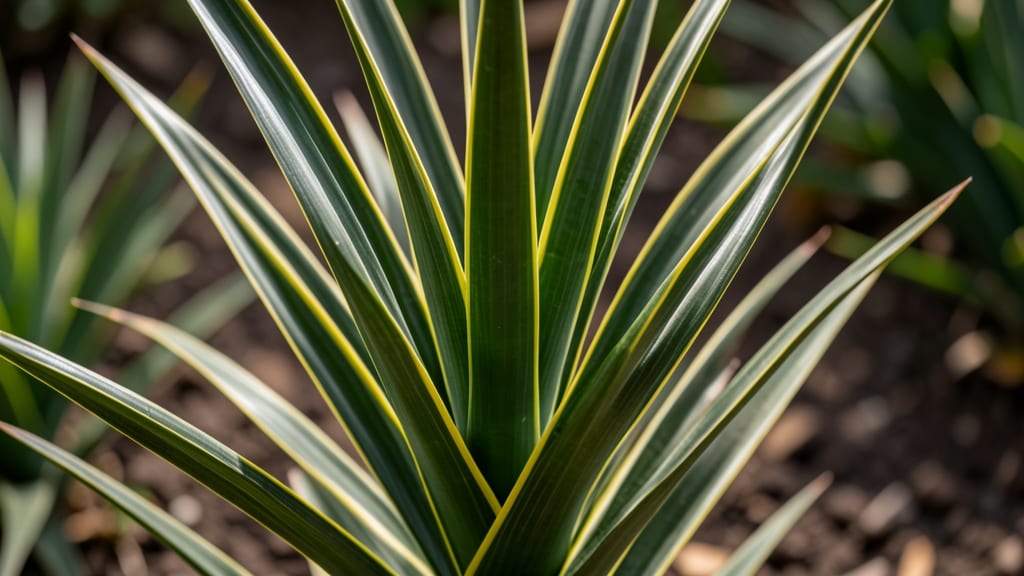
If you're wondering how tall a snake plant will grow, the answer might surprise you—some varieties stretch toward the ceiling while others stay neatly compact. This popular 🌿 plant thrives on flexibility, adapting its height based on care, space, and even its specific cultivar.
Whether you're dealing with a 4-foot 'Futura Superba' or the petite 'Hahnii' (which maxes out at 1-2 feet), understanding these growth patterns helps you plan your space and care routine.
The key lies in light exposure, pot size, and pruning—all factors that can either encourage vertical growth or keep your snake plant manageable.
Indoor snake plants typically grow slower than their outdoor counterparts, but with the right conditions, they can still reach impressive heights over time. I'll break down exactly what to expect from each variety and how to control their growth so your plant stays the size you want.
Ready to predict your snake plant's future height? Let's dive into the details so you can give your 🌿 the perfect growing conditions—whether you prefer a floor-filling statement plant or a compact desktop companion.

Snake plant height by variety: from compact to towering
Snake plants (Sansevieria trifasciata) are famous for their resilience, but their height potential varies dramatically by variety and growing conditions. Some stay under 2 feet while others can soar to 4 feet or taller—here’s how to predict your plant’s growth trajectory based on its genetics.
Understanding these differences helps you choose the right variety for your space and manage expectations for maintenance.
Genetics play the biggest role in determining a snake plant’s maximum height. For example, the compact 'Hahnii' variety rarely exceeds 12 inches, while the tall 'Futura Superba' can reach 3 to 4 feet.
Even within the same species, light exposure, pot size, and pruning habits can influence how quickly a plant reaches its genetic height limit. Let’s break down the most popular varieties and their typical growth ranges.
🌱
| Variety | Height Range | Growth Rate | Notes |
|---|---|---|---|
| Sansevieria trifasciata 'Laurentii' | 2–3 feet | Moderate (6–12 inches/year) | Classic variety with yellow edges; needs bright light for best color. |
| Sansevieria 'Futura Superba' | 3–4 feet | Fast (10–18 inches/year) | Tall, upright leaves; thrives in large pots with good drainage. |
| Sansevieria 'Hahnii' (Bird’s Nest) | 6–12 inches | Slow (2–4 inches/year) | Compact, rosette-forming; ideal for small spaces or desks. |
| Sansevieria 'Moonshine' | 1.5–2.5 feet | Moderate (8–12 inches/year) | Bright, chartreuse leaves; grows well in medium to large pots. |
| Sansevieria 'Black Gold' | 2–3 feet | Moderate (6–10 inches/year) | Dark, almost black foliage; prefers bright, indirect light. |
The 'Futura Superba' is one of the fastest-growing snake plants, often adding 10–18 inches per year under ideal conditions. If you’re growing it indoors near a south-facing window, expect it to reach its 3–4 foot height within 2–3 years.
In contrast, the 'Hahnii' variety stays tiny, making it perfect for desks or shelves where space is limited.
Light exposure directly impacts how quickly a snake plant grows. Plants in bright, indirect light (like an east or west-facing window) will grow 20–30% faster than those in low-light conditions. However, avoid placing them in direct midday sun, which can scorch the leaves and stunt growth.
If your snake plant starts stretching toward the light, it’s a sign it needs to be moved to a sunnier spot.
Pot size also affects height—snake plants in small pots (under 6 inches in diameter) will grow taller and leggier as they compete for nutrients.
To encourage a bushier, more compact plant, repot into a larger container (at least 8–10 inches wide) once the roots fill the current pot. This triggers the plant to focus on leaf production rather than reaching for the sky.
Pruning is another way to control height. If your snake plant becomes too tall or leggy, simply cut the longest leaves at the base with clean, sharp scissors. You can propagate these cuttings in water or soil to grow new plants.
Regular pruning also helps maintain a neat, full appearance and prevents the plant from becoming top-heavy and unstable.
Outdoor snake plants tend to grow taller and faster than indoor ones due to more sunlight and space. If you’re growing your snake plant outside in USDA Zone 9 or warmer, it can reach its maximum height within 2–3 years.
However, in colder climates, growth slows significantly during winter months, so expect slower height gains.
🌿
If you’re unsure which variety to choose, consider your space and light conditions. For small spaces or offices, the 'Hahnii' or 'Moonshine' varieties are ideal. For larger rooms or as a statement plant, the 'Futura Superba' or 'Laurentii' will make a bold impact. With the right care,
Snake plant height by variety: from compact to towering
Snake plants (Sansevieria) are known for their striking foliage and low-maintenance nature, but their height varies dramatically depending on the variety and growing conditions. Some stay compact and bushy, while others can grow into towering floor plants.
Understanding these differences will help you choose the right snake plant for your space and manage its growth effectively.
If you’re wondering how tall your snake plant will grow, start by identifying its specific variety.
The most common types—like 'Laurentii' and 'Futura Superba'—can reach 3 to 4 feet tall, while smaller varieties like 'Hahnii' (also called "Bird’s Nest") max out at just 1 to 2 feet.
Genetics play a huge role, so even with identical care, two different varieties will grow to vastly different heights.
⚠️ NON-NEGOTIABLE VISUAL ELEMENT ⚠️
| Variety | Height Range | Growth Habit |
|---|---|---|
| 'Laurentii' | 3–4 ft | Upright, tall leaves with yellow edges |
| 'Futura Superba' | 2–3 ft | Bushy, wide leaves with white stripes |
| 'Hahnii' | 1–2 ft | Compact, rosette-forming, shorter leaves |
| 'Moonshine' | 2–3 ft | Bright yellow-green, bushy growth |
| 'Black Gold' | 2–4 ft | Dark, almost black leaves, tall and slender |
🌱 Note: Heights are for mature plants (3+ years old) in ideal conditions.
For example, the 'Black Gold' variety can stretch up to 4 feet tall, making it a dramatic statement piece in a room. Meanwhile, the 'Hahnii' variety stays low and wide, perfect for small spaces or tabletops.
If you’re limited on vertical space, opt for a compact variety like 'Hahnii' or 'Futura Superba', which grow wider rather than taller.
Light exposure also influences height. Snake plants grown in bright, indirect light tend to grow taller and more upright, while those in lower light may develop shorter, wider leaves.
If you notice your plant stretching toward a window, it’s a sign it needs more light—but avoid direct sunlight, which can scorch the leaves. Balancing light and space is key to controlling your snake plant’s height.
Another factor is pot size. Snake plants left in small pots will focus their energy on leaf production rather than height growth, resulting in a bushier, more compact plant. If you want to encourage vertical growth, repot your snake plant into a larger container with room for deeper roots.
Just remember, bigger pots mean you’ll need to water less frequently, as the soil stays moist longer.
Finally, pruning plays a role in managing height. Regularly trimming leggy leaves or dividing mature clumps can encourage bushier growth and prevent your snake plant from becoming top-heavy. For taller varieties, pruning also helps maintain a neat appearance and prevents leaves from flopping over.
With the right care, you can keep your snake plant at your desired height—whether you prefer a tall floor plant or a compact tabletop companion.
🌿