
Plants
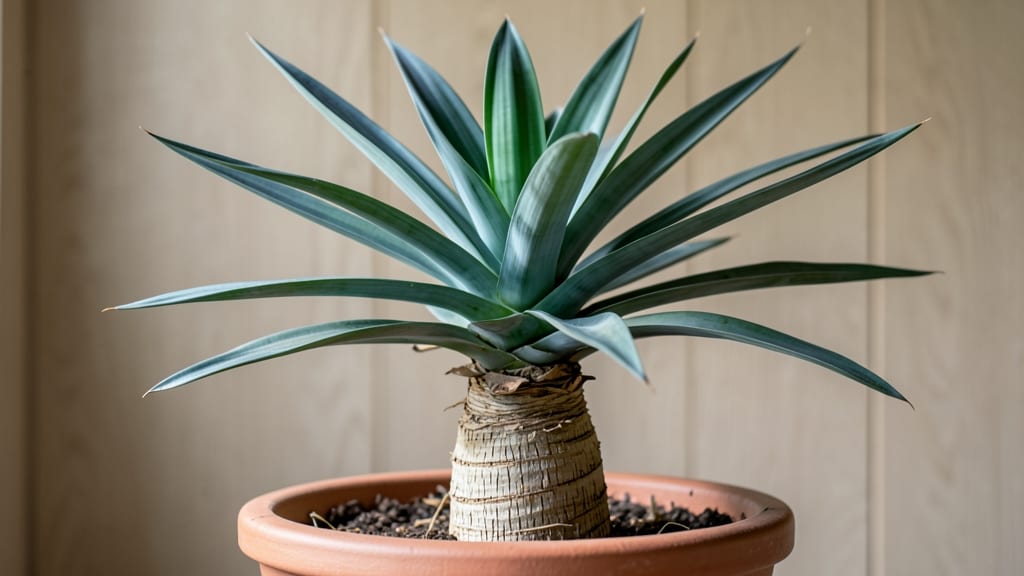
Yucca plant height by variety: from compact to towering giants
If you're choosing a yucca for your landscape, the first question should be: how tall can a yucca plant grow? The answer varies dramatically by variety, with some staying under 3 feet while others reach 20 feet or more.
Understanding these differences helps you select the perfect yucca for your space—whether it's a small container or a sprawling desert garden.
Yuccas are divided into dwarf, semi-dwarf, and standard varieties, each with distinct growth habits. For example, the Yucca rostrata (Beaked Yucca) can grow up to 15 feet tall, while the Yucca gloriosa (Spanish Dagger) typically stays between 6 and 10 feet.
Even within the same species, environmental factors like sunlight and soil quality can influence final height.
Here’s the key: most yuccas grow vertically over time, but their mature height depends on their genetic makeup. Some varieties, like the Yucca filamentosa (Adam’s Needle), spread more horizontally, reaching 3 to 5 feet tall but expanding 6 to 10 feet wide.
Others, like the Yucca elephantipes (Spineless Yucca), grow as tall as 12 to 20 feet in ideal conditions.
| Variety | Mature Height | Growth Habit | Best For |
|---|---|---|---|
| Yucca rostrata | 10–15 ft | Tall, slender trunk | Large landscapes, focal points |
| Yucca elephantipes | 12–20 ft | Tree-like, woody stem | Xeriscapes, arid climates |
| Yucca filamentosa | 3–5 ft tall, 6–10 ft wide | Clumping, spreading | Borders, ground cover |
| Yucca gloriosa | 6–10 ft | Upright, spiky leaves | Desert gardens, containers |
| Yucca recurvifolia | 2–4 ft | Compact, rosette form | Small gardens, pots |
| Yucca baccata | 8–12 ft | Multi-stemmed, branching | Dry slopes, erosion control |
Note: Heights vary based on climate, soil, and care. Container-grown yuccas stay smaller.
When selecting a yucca, consider not just height but also spread. For instance, the Yucca recurvifolia (Dwarf Yucca) stays under 4 feet tall but spreads 3 to 5 feet wide, making it ideal for small gardens or containers.
Meanwhile, the Yucca baccata (Datil Yucca) can reach 12 feet tall but spreads 8 to 10 feet wide, perfect for larger properties.
If you're limited on space, opt for dwarf varieties like Yucca smalliana or Yucca flaccida, which max out at 3 to 4 feet tall. These are great for container gardening or small urban yards.
For a bold statement, the Yucca elephantipes or Yucca rostrata will dominate any landscape—but only if you have the room!
Pro tip: Check the USDA hardiness zone for your area. Most yuccas thrive in zones 4–11, but taller varieties like Yucca elephantipes may struggle in colder zones unless protected. Always match your yucca’s native climate to your own for optimal growth.
Remember, height isn’t set in stone. With proper pruning and care, you can manage even the tallest yuccas. In the next section, I’ll show you how sunlight, soil, and pruning techniques can either encourage rapid growth or keep your yucca in check—no matter the variety.
How care affects Yucca growth: pruning, soil, and sunlight secrets
Yucca plants thrive on neglect but reward attentive care with controlled growth. The right conditions can keep your yucca at a manageable 3-5 feet or encourage it to reach its full 15-20 foot potential.
Understanding how pruning, soil quality, and sunlight exposure influence height helps you shape your plant’s future.
Pruning is your best tool to manage yucca height. Cutting back overgrown stems in late winter or early spring encourages bushier growth and prevents vertical sprawl. For tall varieties like Yucca elephantipes, prune the top third to maintain a compact shape while preserving the plant’s natural structure.
Soil plays a crucial role in yucca growth. Well-draining soil prevents root rot and ensures nutrients reach the plant efficiently. Amend heavy clay with sand or gravel to create an ideal growing medium.
Poor soil conditions can stunt growth or cause uncontrolled vertical expansion as the plant struggles to access nutrients.
Sunlight is non-negotiable for yucca health. These plants crave 6+ hours of direct sun daily—any less, and you’ll see slower growth and leggy stems. In partial shade, yuccas may grow taller but weaker, with stems stretching toward light.
Position your plant in full sun for the strongest, most compact growth.
Watering habits also impact height. Overwatering leads to soft, weak stems that grow taller as they seek stability. Yuccas are drought-tolerant—water deeply only when the top 2-3 inches of soil are dry. This encourages root depth and sturdy growth rather than rapid vertical expansion.
⚠️ Warning: Overpruning Risks
Cutting back more than 1/3 of the plant at once can shock your yucca, leading to stunted growth or dieback. Always prune in late winter when new growth begins, and avoid removing more than 2-3 stems per year for tall varieties.
For container-grown yuccas, root-bound conditions can limit height. Repot every 2-3 years into a slightly larger container with fresh cactus mix to encourage healthier, more controlled growth. In-ground plants benefit from mulching around the base to retain moisture and regulate soil temperature.
With the right care, you can guide your yucca’s growth to fit your space—whether you want a compact accent plant or a dramatic focal point. Pay attention to pruning, soil, and sunlight, and your yucca will reward you with balanced, healthy growth for years to come. 🌵