
Plants
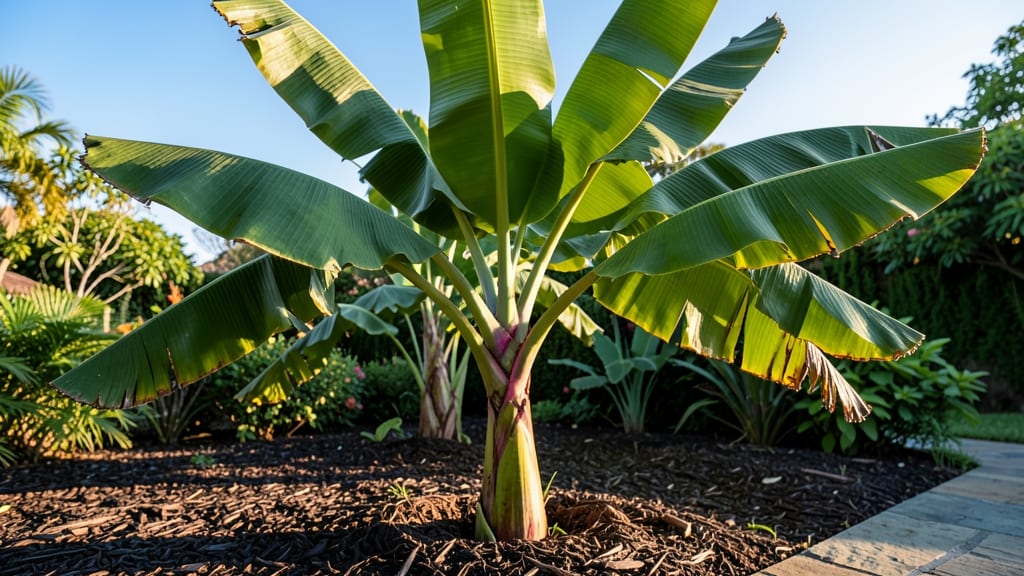
If you’ve ever wondered how much light does a banana plant need to thrive, the answer is key to fixing weak stems or sparse fruit—whether you're growing it outdoors or indoors.
The right amount of sunlight is the foundation for a thriving banana tree, but too much or too little can stifle its growth.
Most banana plants crave 6 to 8 hours of direct sunlight daily, but too much can scorch leaves while too little slows growth.
I'll break down exactly how much light your banana needs at each stage—from seedlings to fruiting—and how to adjust if you're dealing with shade or intense heat.
You don’t need a tropical climate to grow bananas. With the right lighting tricks—like using grow lights or strategic placement—you can optimize growth even in USDA Zone 6a or limited indoor spaces. Let’s get your banana plant soaking up the perfect amount of light for lush leaves and sweet fruit.
Ready to fix those yellowing leaves or boost fruit production? I’ll show you how to spot light issues early and make simple adjustments that make all the difference. Your banana plant’s future starts with sunlight—and I’ve got the exact formula to get it right.


Ideal sunlight requirements for banana plants by variety and growth stage
Banana plants are tropical powerhouses that crave sunlight—but not all varieties or growth stages have identical needs. Understanding these sunlight requirements is key to growing a productive banana tree, whether you're cultivating Cavendish bananas for fruit or dwarf varieties for ornamental appeal.
Most banana plants thrive with 6-8 hours of direct sunlight daily, but nuances exist based on type and maturity.
For standard banana varieties like Cavendish, full sun exposure is non-negotiable. These plants need at least 8 hours of sunlight to develop strong stems, large leaves, and heavy fruit loads.
In tropical climates, this means placing them where they receive morning sun and afternoon shade to prevent leaf scorch. Subtropical varieties, however, can tolerate slightly less intense light—around 5-6 hours of direct sun—especially in hotter regions where afternoon shade is beneficial.
Dwarf banana varieties, like the popular Dwarf Cavendish, are more adaptable and can thrive with 4-6 hours of sunlight daily, making them ideal for containers or smaller gardens.
These varieties often produce fruit even with partial shade, though yields may be smaller. Plantain varieties, on the other hand, require full sun exposure (8+ hours) to develop their characteristic starchy fruit and robust stalks.
Growth stages also influence light needs. Seedlings and young banana plants benefit from bright, indirect light to avoid stress, especially if grown indoors. Gradually acclimate them to direct sunlight over 2-3 weeks to prevent sunburn.
Once established, mature plants with flowering stalks or fruit need maximum sunlight to support energy-intensive processes like fruit development and flowering.
In subtropical zones (USDA 9-11), banana plants can often handle partial shade during peak summer heat, but this should be temporary. Prolonged shade can lead to weak stems, sparse foliage, and poor fruit set.
Conversely, tropical zones (USDA 10-12) require consistent full sun, with afternoon shade only if temperatures exceed 90°F (32°C).
Here’s how different banana varieties stack up in terms of sunlight needs, growth stages, and adaptability:
If you're growing banana plants in containers, prioritize placing them in the sunniest spot available, such as a south-facing patio or balcony. Rotate pots every 2-3 weeks to ensure even sunlight exposure, as banana plants grow toward the light.
In ground plantings, choose a location with minimal obstructions like tall buildings or trees that could cast shade during critical sunlight hours.
One common misconception is that banana plants can thrive in low-light conditions like a north-facing window or shady corner. While they may survive, their growth will be stunted, and you’ll likely see smaller leaves, weak stems, and little to no fruit production.
Even dwarf varieties need adequate light to maintain their compact size and ornamental value. For indoor growers, supplement natural light with a full-spectrum grow light (12-14 hours daily) to mimic tropical conditions.
In regions with intense summer heat, like the southwestern U.S., banana plants benefit from afternoon shade to prevent leaf burn. Use 30-50% shade cloth during peak sun hours (12 PM–4 PM) while still ensuring they receive at least 5-6 hours of direct morning sunlight.
This balance helps maintain leaf health while protecting the plant from heat stress.
🌱
Signs your banana plant has too much or too little light (and how to fix it)
Banana plants are sensitive to light extremes, and their leaves often reveal whether they're getting too much or too little sunlight. Watch for these visual cues to diagnose light stress quickly.
If your banana plant's leaves turn yellow between veins while keeping green veins, it's likely suffering from overwatering or root stress—but excessive light can also cause leaf scorch. Check for crispy, brown edges on leaves exposed to harsh afternoon sun.
For underlit banana plants, look for long, leggy stems and small, pale leaves. These signs mean your plant is stretching toward light sources, a classic indicator of insufficient sunlight (less than 4-6 hours of direct light daily).
🌱 Pro Tip: Rotate container-grown banana plants weekly to ensure even light exposure on all sides.
🚨 Light Stress Warning Signs
- 🔥 Brown leaf tips (leaf scorch)
- 🌡️ Wilting midday (heat stress)
- 🌿 Stunted growth despite ample water
- 🟢 Pale, yellowing leaves (chlorosis)
- 🌱 Leggy, weak stems (etiolation)
- 🍌 No flowering (fruit production halts)
- ☀️ Move to partial shade (use shade cloth for 30-50% reduction)
- 🌿 Relocate to east-facing window or greenhouse
- 💧 Increase watering frequency (drought-stressed plants burn faster)
If your banana plant shows brown patches on leaves facing west, it's likely suffering from afternoon sunburn. The solution? Provide morning sun (6-9 AM) and afternoon shade using a lightweight shade cloth (30% shade fabric works best).
For indoor growers, supplement natural light with a 14-hour grow light (LED or fluorescent) placed 12-18 inches above the plant. Keep lights on for 12-14 hours daily to mimic tropical daylight cycles.
🌿 Remember: Banana plants in containers need more frequent light adjustments than in-ground plants, as you can easily rotate them to balance exposure.