
Plants
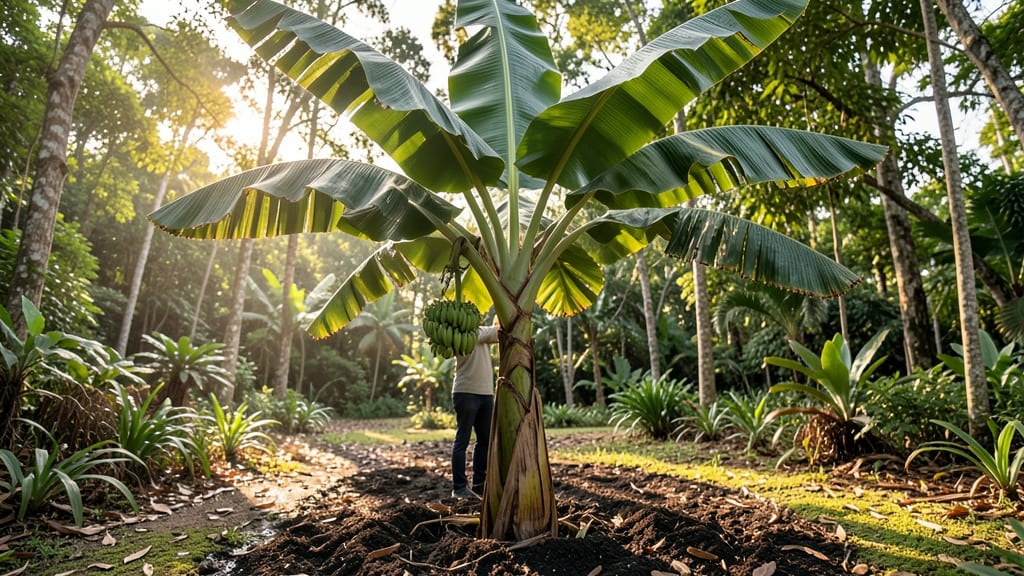
If you’ve ever wondered how tall a banana plant can grow—from a compact 🍌 in your backyard to a towering tropical giant—you’re not alone. These plants surprise even seasoned gardeners with their rapid growth and impressive heights, but the exact size depends entirely on the variety you choose.
Some dwarf varieties stay under 10 feet, making them perfect for containers or small gardens, while standard types can soar past 20 feet in ideal conditions.
Whether you’re planning a lush outdoor garden in USDA Zone 6a or dreaming of harvesting your own fruit, knowing these heights helps you pick the right plant for your space.
In this guide, I’ll break down the height ranges of popular banana varieties, explain what influences their growth, and share practical tips to manage their size—whether you want a manageable 🍌 or a full-size tropical showstopper. Let’s get growing!
From planting in spring to harvesting in fall, you’ll learn how to nurture your banana plant to its full potential—no matter how tall (or short) you want it to be.

Banana plant heights by variety: dwarf to giant species compared
Banana plants are famous for their rapid growth, but their mature height varies dramatically depending on the variety. Some stay compact enough for containers, while others become towering giants that dwarf your backyard. The key difference lies in their genetic makeup—whether they’re dwarf, semi-dwarf, or standard varieties.
Let’s break down the most common types and their heights to help you choose the perfect fit for your space.
Dwarf varieties like the Dwarf Cavendish top out at just 8-12 feet, making them ideal for patios or small gardens. Meanwhile, standard varieties such as the Gros Michel can shoot up to 20-30 feet, rivaling palm trees in height.
Understanding these differences ensures you pick a variety that matches your growing conditions and space constraints.
🌱
| Variety | Mature Height | Best For | Notes |
|---|---|---|---|
| Dwarf Cavendish | 8–12 ft | Containers, patios, small gardens | Compact, fast-fruiting, great for beginners |
| Lady Finger (Dwarf Red) | 10–14 ft | Backyards, tropical landscapes | Sweet fruit, cold-hardy for dwarf varieties |
| Sugar Banana | 12–18 ft | Medium gardens, privacy screens | Long, sweet fruit, semi-dwarf growth |
| Cavendish (Standard) | 18–25 ft | Large gardens, tropical climates | Most common commercial variety, sturdy stems |
| Red Dacca | 20–30 ft | Tropical regions, large estates | Giant variety, bold red fruit, aggressive growth |
| Gros Michel | 25–35 ft | Tropical climates, commercial farms | Historical variety, prone to disease, massive size |
If you’re growing bananas in containers, stick to dwarf varieties like the Dwarf Cavendish or Lady Finger. These can thrive in large pots (at least 15-20 gallons) and still produce fruit, though their height will be slightly stunted compared to in-ground plants.
For outdoor gardens, semi-dwarf varieties offer a balance—tall enough to make a statement but manageable for most backyards.
Standard and giant varieties like the Red Dacca or Gros Michel are best suited for tropical climates with ample space. Their towering heights mean they’ll need sturdy support and regular pruning to prevent damage from wind or storms.
Even in ideal conditions, these giants can take 12-18 months to reach maturity, so patience is key.
🌿
One common misconception is that all banana plants grow to 30+ feet. In reality, most home gardeners grow dwarf or semi-dwarf varieties, which stay well under that mark. The Cavendish, for example, is the variety you’ll find in grocery stores but typically reaches 18-25 feet in home gardens.
If you’re in a cooler climate (like USDA Zone 9 or below), even dwarf varieties may struggle to reach their full height without protection.
For those in warmer climates, giant varieties can become unruly quickly. I once grew a Red Dacca in my Florida garden, and within two years, it was taller than my garage roof!
The key to managing their height is regular pruning and providing physical support early in their growth phase. Without these steps, you risk a top-heavy plant that could snap in a storm.
🪴
Another factor to consider is the pseudostem—the false trunk made of tightly packed leaves. In dwarf varieties, this stays relatively thin, while standard and giant types develop thick, woody stems that can weigh hundreds of pounds.
This is why staking becomes essential for varieties over 15 feet. Use bamboo stakes or metal cages to guide the plant’s growth and prevent it from flopping over.
If you’re planning to grow bananas for fruit production, remember that taller plants don’t always mean better yields. Dwarf varieties like the Lady Finger produce smaller but sweeter bananas in abundance, while giant varieties may yield fewer but larger fruits.
Choose based on your priorities: space, fruit size, or aesthetic appeal.
🌳
How fast do banana plants grow and what affects their height?
Banana plants grow at an astonishing rate—some varieties can add 3-4 feet per year under ideal conditions. In their first year, you’ll see 3-5 feet of growth, while mature plants may surge 10-15 feet annually during peak seasons.
This rapid growth is why they’re often called the "giant of the garden," but their speed depends heavily on environmental factors and care.
Climate plays a massive role in height. Tropical zones with warm temperatures (75-85°F) and high humidity (60%+) encourage towering growth, while cooler climates stunt development. Even in USDA Zone 10 or warmer, banana plants thrive, but northern gardeners may struggle to exceed 10-12 feet without greenhouse support.
Timing matters too! Banana plants grow fastest during spring and summer when days are long and temperatures are ideal. In their first year, expect 3-5 feet of growth, but by year two, they’ll double or triple that height if conditions are perfect.
For example, a 'Lady Finger' banana might reach 12-15 feet in two years, while a 'Red Dacca' could soar past 25 feet in three years.
One common misconception is that banana plants grow indefinitely. In reality, they follow a 3-phase growth cycle: rapid vegetative growth, flowering, and fruiting. After producing fruit, the mother plant dies, but it sends out suckers (pups) that continue the cycle.
This means your banana "tree" is technically a bunch of connected plants, not a single towering stem.
To maximize height, focus on consistent care. Mulch around the base to retain moisture, stake tall varieties to prevent toppling, and avoid over-fertilizing with nitrogen (it encourages leaves over stems).
With the right approach, you could see a banana plant reach harvestable height in as little as 9-12 months, depending on the variety and climate.
If you’re growing bananas in containers, expect slower height growth due to root restrictions. Potted plants typically max out at 6-10 feet unless you use large, deep pots (20+ gallons) and fertilize aggressively. For the tallest results, in-ground planting in warm climates is the way to go!