
Planting
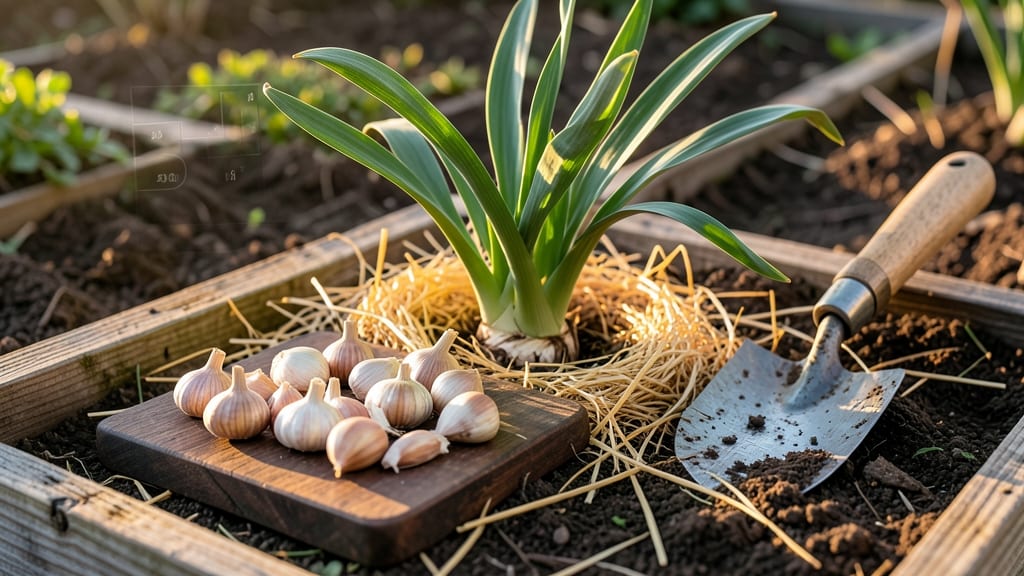
If you're growing garlic in Zone 8, timing your fall planting could mean the difference between plump, flavorful bulbs and disappointing harvests. The 6-8 week window before your first hard frost is critical, and getting it wrong can leave you with weak plants that bolt too early.
I’ve learned the hard way—skipping this window once meant my entire crop sent up scapes instead of forming proper bulbs. But once you nail the timing, you’ll see stronger plants that thrive through winter and reward you with bold, healthy garlic the following summer.
Whether you’re a seasoned gardener or just starting, knowing exactly when to plant in Zone 8 sets you up for success. Let’s break down the ideal months, soil prep secrets, and how to avoid common mistakes that sabotage yields.
By the end, you’ll have a clear, actionable plan to grow garlic that’s perfectly sized, flavorful, and ready for harvest—no guesswork required.
Best planting months for garlic in Zone 8: science-backed timing
Garlic thrives in Zone 8’s mild winters, but getting the timing right is critical. The ideal window is 6-8 weeks before your first hard frost—typically mid-October to early November. This gives roots time to establish before winter dormancy, ensuring plump, flavorful bulbs next summer.
Zone 8’s average last frost date is around December 15, so aim to plant by November 1 for hardneck varieties (like Rocky Mountain or Silverskin) or early December for softneck types (like Artichoke). Soil temps should drop to 40-50°F—perfect for root growth without bolting.
🌱
| Variety Type | Best Planting Window | Soil Temp Threshold | Key Notes |
|---|---|---|---|
| Hardneck (e.g., Rocky Mountain) | October 15–November 1 | 40–50°F | Needs cold dormancy; harvest scapes in spring. |
| Softneck (e.g., Artichoke) | November 1–December 1 | 45–55°F | Tolerates milder winters; stores longer. |
| Elephant (e.g., German White) | October 1–November 15 | 40–50°F | Larger bulbs; plant early for best size. |
Hardneck varieties require cold exposure to form bulbs, so plant them first in October. Softnecks, like Silverskin, are more flexible and can handle late-November plantings if your winters are mild.
For Zone 8a (colder microclimates), stick to the earlier window—by October 31—while Zone 8b growers can push it to early December.
Pro tip: Use a soil thermometer to confirm temps. If your soil stays above 55°F in November, your garlic may bolt prematurely. In Zone 8’s warmer pockets, consider shade cloth or a light mulch to cool the soil.
🌡️
Timing isn’t just about the calendar—it’s about soil conditions. Well-draining soil is a must in Zone 8’s clay-heavy areas. Amend beds with compost or aged manure 2–3 weeks before planting to improve structure.
If your soil feels compacted or waterlogged, mix in sand or perlite to prevent rot.
For container gardening, use pots at least 12 inches deep with drainage holes. Plant cloves 2 inches deep, leaving 4–6 inches between cloves. Containers warm up faster, so plant them 2–3 weeks earlier than in-ground garlic to match soil temps.
✂️
After planting, mulch heavily with straw or leaves (4–6 inches) to insulate roots during winter. In Zone 8’s unpredictable winters, this protects cloves from freeze-thaw cycles that can damage emerging shoots. Remove mulch in early spring (February–March) to let soil warm and encourage growth.
Finally, mark your planting date! Tracking when you plant helps you predict harvest time (240–300 days later). In Zone 8, that means June–July harvests—just in time for summer cooking.
Moon phase and soil prep secrets for Zone 8 garlic success
Timing your garlic planting with the moon phases isn’t just old wives’ tales—it’s a science-backed trick to boost root development.
Aim for the rooting phase (7 days before to 3 days after the new moon), when gravity pulls moisture toward the earth, helping your cloves establish strong roots before winter dormancy. In Zone 8, this often lands in late October or early November, aligning perfectly with your frost window.
For Zone 8’s clay-heavy soils, prep is everything. Start by testing your soil’s pH—garlic thrives in slightly acidic to neutral soil (6.0–7.0).
If your soil is alkaline, mix in sulfur or peat moss (1–2 pounds per 100 sq ft) 4–6 weeks before planting to adjust the pH. This gives microbes time to break it down and improve drainage, which is critical in heavy clay.