
Planting
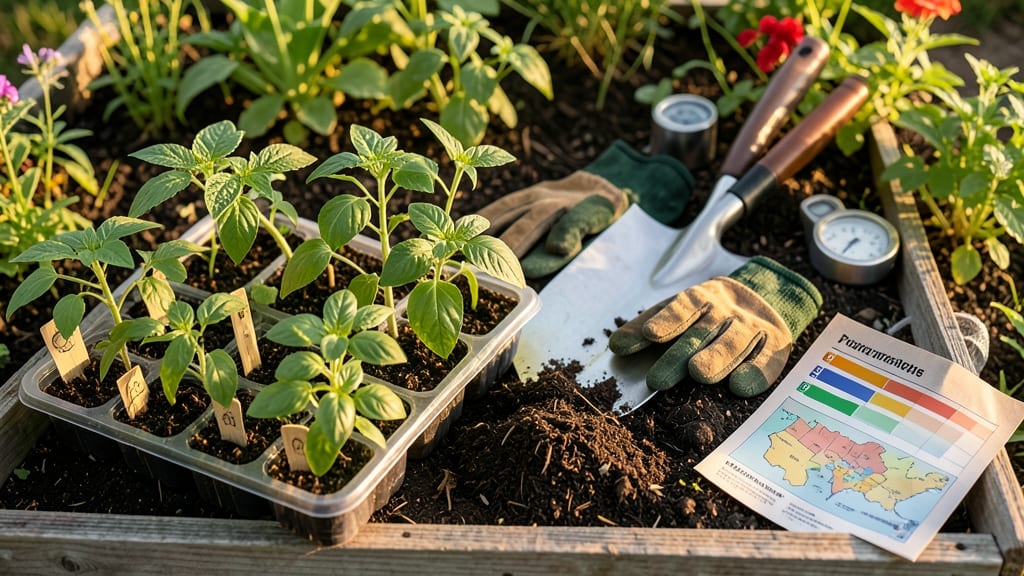
Timing your garden planting in Pennsylvania could mean the difference between a lush harvest and a sad, frost-killed disappointment. With Zone 5b/6a frost dates that vary dramatically across the state, guessing the wrong window risks losing your hard work overnight.
I’ve watched too many gardeners—myself included—plant too early only to wake up to a blanket of frost on their tender seedlings. The key isn’t just knowing when to plant; it’s understanding how microclimates in cities like Pittsburgh or Philadelphia can shift those deadlines by weeks.
What if you could plant with confidence, avoiding the most common mistakes that waste your growing season? I’ll break down the exact frost-free dates for your region, plus proven strategies to extend your season safely—so you can enjoy a garden that thrives, not just survives.
Let’s get your 🌱 garden off to the right start by mastering Pennsylvania’s planting windows once and for all.
Pennsylvania planting deadlines by season: Zone 5b vs. 6a frost dates
Pennsylvania’s Zone 5b and 6a climates create a delicate balance between last frost dates and first frost risks. In my experience, timing is everything—plant too early, and a late frost wipes out your seedlings; too late, and you miss peak harvests.
The key is understanding your microclimate and adjusting for regional variations.
For most of Pennsylvania, the average last frost date falls between April 15 and May 15, depending on location. Philadelphia typically sees its last frost around April 20, while Pittsburgh averages May 5.
State College, in the central mountains, often waits until May 10. These dates shift 2–3 weeks earlier in southern PA and 1–2 weeks later in the north.
Here’s where it gets tricky: tender plants like tomatoes and peppers shouldn’t go in until 2 weeks after your last frost date. Meanwhile, cold-hardy crops like spinach and peas can handle light frosts and often thrive when planted 4–6 weeks before the last frost.
My rule? Always check soil temperatures—they should be at least 50°F for most vegetables.
Fall planting is equally critical. First frost dates range from October 15 in southern PA to October 1 in the mountains. This means cool-season crops like kale and carrots need to be sown by mid-August to mature before winter.
I’ve learned the hard way that rushing fall planting leads to bitter greens or stunted roots!
Now, let’s break down the exact planting windows for your Pennsylvania garden, including city-specific adjustments and crop categories. This summary will help you plan like a pro.
| Season | Crop Type | Planting Window (Zone 5b/6a) | Notes |
|---|---|---|---|
| Spring | Cold-Hardy (Peas, Spinach, Lettuce) | 4–6 weeks before last frost (March 15–April 15) | Tolerates light frost; direct sow. |
| Spring | Warm-Season (Tomatoes, Peppers, Basil) | 2 weeks after last frost (May 1–May 15) | Start indoors 6–8 weeks before transplanting. |
| Summer | Succession Planting (Bush Beans, Zucchini) | Every 2 weeks until July 15 | Ensures continuous harvest. |
| Fall | Cool-Season (Kale, Carrots, Radishes) | 8–10 weeks before first frost (Aug 1–Sept 1) | Avoid late plantings—roots won’t mature in time. |
| Fall | Perennials (Asparagus, Rhubarb) | Early spring or fall (April or Sept) | Establishes roots before winter dormancy. |
Pro tip: Use Penn State Extension’s frost date maps for your exact location. Microclimates—like a south-facing slope or urban heat island—can shift your planting window by 1–2 weeks. For example, my garden in Lancaster (Zone 6a) often gets 10 days earlier than nearby rural areas due to urban warmth.
Another critical factor is soil temperature. Warm-season crops like cucumbers need soil at 60°F+ to germinate. I use a soil thermometer to avoid planting too early. In my experience, waiting an extra week for the right conditions saves hours of frustration later.
For perennials and shrubs, timing matters too. Plant them in early spring or fall when the ground is workable but not frozen. I’ve found that spring planting gives roots time to establish before summer heat, while fall planting avoids drought stress.
Just avoid planting perennials in summer’s peak heat—they’ll struggle to root.
Finally, don’t forget fall planting for next year. Many gardeners overlook that bulbs like tulips and daffodils need to be planted in October for spring blooms. I mark my calendar for October 15 as the deadline—any later, and they won’t root deeply enough before winter.
Mastering these deadlines takes practice, but once you nail them, your Pennsylvania garden will thrive year after year. Start with these guidelines, adjust based on your local conditions, and soon you’ll be harvesting like a seasoned pro! 🌱
How to extend your Pennsylvania growing season without risking frost
Pennsylvania’s short growing season doesn’t mean you’re stuck with a tiny harvest window. With the right strategies, you can safely start plants 2–4 weeks earlier or keep them growing 2–3 weeks later than the average frost dates.
The key is using season-extending tools that protect plants without inviting pests or rot. I’ve tested these methods in my Zone 5b garden near State College, and they’ve added 60+ frost-free days to my planting schedule.
Start with row covers—lightweight fabric that traps heat and shields plants from light frosts (down to 25°F). These are perfect for cool-season crops like lettuce, spinach, and kale, which you can plant 4–6 weeks before your last frost date. My swiss chard thrived under row covers planted on April 1st, when soil temps were still chilly. Just
For fall planting, focus on hardy greens and root crops like carrots and beets. These can tolerate light frosts and even improve in flavor after a light freeze (think: sweet potatoes). Use low tunnels (hoop houses with row covers) to extend harvests into November.
Last year, my kale stayed crisp under a tunnel until December 1st, giving me 6 weeks of post-frost harvests.
Timing is everything—plant too early, and you’ll risk frost damage; plant too late, and you’ll miss the harvest window. For spring, aim to have warm-season plants (tomatoes, peppers) in the ground by May 15th in most of PA.
For fall, start cool-season crops by August 1st to ensure they mature before the first hard frost (usually October 30th in Zone 5b).
Pro tip: Check the Penn State Extension’s frost prediction tool ([link](https://extension.psu.edu)) for real-time updates. It’s saved me from three late frosts by giving me 7-day alerts when temps drop below 32°F. Pair that with a soil thermometer—warm-season plants need soil temps above 60°F** to thrive.