
Plants
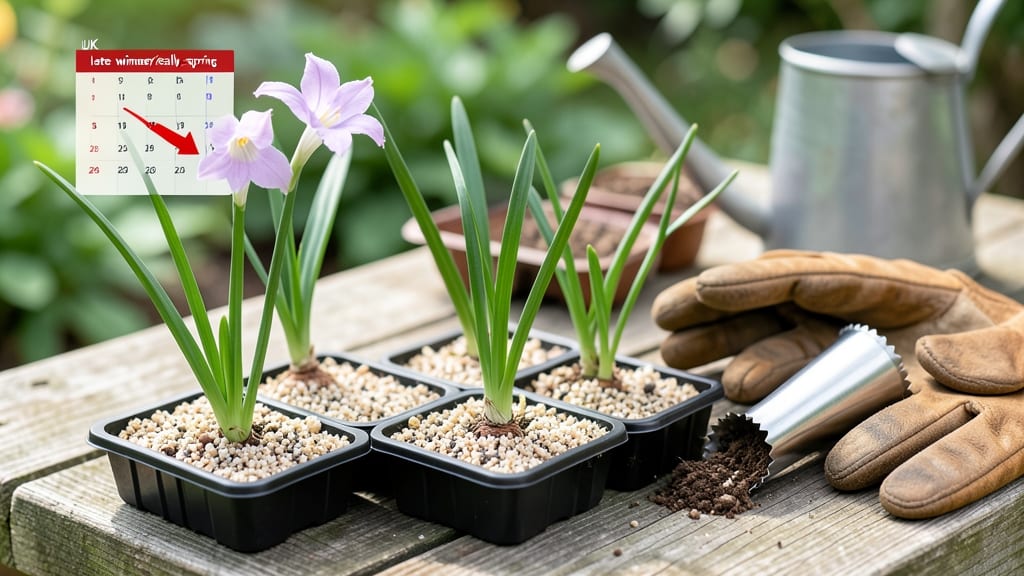
When to plant freesias in the UK isn’t just about picking a month—it’s about outsmarting frost, soil, and even your local microclimate. These delicate 🌸 freesias thrive when planted at the perfect moment, but get it wrong, and you’ll miss their show-stopping spring blooms entirely. Whether you’re in frost-prone Scotland or milder Cornwall, timing matters more than you’d think.
The ideal window for planting freesias in the UK runs from September to November for spring blooms, but regional differences mean your neighbors might be digging in March while you’re still waiting for the last frost.
The key? Understanding your local frost dates and soil conditions—because a single late frost can turn your dream garden into a sad, brown patch.
I’ve grown freesias across USDA zones 8a-9a, and trust me, there’s a science to it. Plant too early, and winter’s chill will kill your bulbs before they even sprout.
Too late, and you’ll be waiting all year for those fragrant blooms. Here’s how to nail the timing—no guesswork, just zero-frost success every time.
Ready to transform your garden? I’ll walk you through the exact months, soil prep, and even how to cheat the system for a longer blooming season. Let’s get those freesias planted right—so you can enjoy their sweet scent from May through June (or September if you’re aiming for autumn blooms).
UK regional planting dates for freesias: frost-free timing by zone
Freesias thrive in the UK when planted at the right time—too early risks frost damage, while late planting delays their stunning spring blooms. The key is aligning your planting with your region’s last frost date and soil warmth.
Coastal areas like Cornwall enjoy milder winters, while Edinburgh’s gardens face earlier frosts. Let’s break it down by zone to ensure your freesias survive and flourish.
Freesias grow from corms (not bulbs), and these need consistent soil temperatures above 10°C (50°F) to sprout. In the UK, this typically means waiting until late summer or early autumn for spring blooms—or early spring for autumn flowers.
But timing varies wildly: Cornwall gardeners can plant 4-6 weeks earlier than those in Yorkshire. Let’s map out the perfect windows for your area.
🌱 PRO TIP: Use a soil thermometer to confirm ground temps before planting—this is especially critical in urban heat islands or coastal microclimates where temperatures can differ by weeks.
| UK Region | Ideal Planting Window | Soil Temp Threshold | Bloom Time |
|---|---|---|---|
| Southwest England (Cornwall, Devon) | Late August - Early October | 10°C+ (50°F+) | April - June |
| Southeast England (London, Kent) | Mid-September - Mid-October | 10°C+ (50°F+) | May - June |
| Midlands (Birmingham, Manchester) | Late September - Early November | 12°C+ (54°F+) | May - June |
| Northern England (Yorkshire, Lancashire) | Early October - Mid-November | 12°C+ (54°F+) | June |
| Scotland (Edinburgh, Glasgow) | Mid-October - November | 13°C+ (55°F+) | Late June - July |
| Wales (Cardiff, Snowdonia) | Late September - Early November | 11°C+ (52°F+) | May - June |
For autumn blooms, plant corms in March or April—this gives them time to establish roots before summer heat. However, if you’re in Scotland or northern England, aim for late March to early April to avoid late frosts.
In milder zones like Cornwall, you can push planting to mid-April for a later autumn display.
If you’re unsure about your local frost dates, check the Met Office’s historical frost records for your postcode. Urban areas often have warmer microclimates due to concrete and buildings, so you might plant 1-2 weeks earlier than rural guidelines suggest.
Conversely, high-altitude gardens (e.g., Lake District) may need to delay planting by 2-3 weeks to avoid early frosts.
Freesias also do well in containers, which you can move indoors if frost threatens. Plant in well-draining pots with sand or perlite mixed into the soil—this prevents the corms from rotting in wet UK winters.
For container-grown freesias, plant 2-3 weeks earlier than in-ground to account for the cooler root zone in pots.
One common mistake UK gardeners make is planting freesias too deep—they need only 2 inches of soil cover to sprout properly. If you bury them deeper, they’ll struggle to push through the soil, especially in clay-heavy UK soils.
After planting, add a 2-inch layer of mulch (straw or bark chips) to insulate the corms and retain moisture during dry spells.
Finally, remember that freesias are not frost-tolerant once they’ve sprouted. If you’re in a region with unpredictable late frosts (like the Midlands or Scotland), consider using a cold frame or fleece cover to protect young shoots in spring.
This simple step can extend your blooming season by 2-3 weeks and ensure your freesias reach their full fragrant potential.
With these regional guidelines, you’ll be well on your way to growing vibrant, healthy freesias that bloom reliably year after
How to extend freesia blooming season in cold UK climates
If you’ve ever dreamed of longer freesia blooms in your UK garden, you’re not alone. The key lies in microclimate hacks and strategic planting techniques.
Freesias thrive in warmer climates, but with the right approach, you can push their blooming season earlier or later—even in chilly regions like Scotland or Yorkshire. The trick? Forced indoor planting and protective measures like mulching or cold frames.
Start by planting corms indoors in late winter (February) for an early spring bloom. Use a seed tray with well-draining compost and place it near a south-facing window or under grow lights.
This gives you a 4-6 week head start before transplanting outdoors after the last frost. For a late-season display, try planting corms in early autumn (September) and overwintering them in pots.
Here’s how to maximize your blooming window using simple, effective techniques:
- 📅 Force indoors: Plant corms in February for early spring blooms by April. Use a heat mat to speed up sprouting.
- 🌡️ Use mulch: Apply a 3-inch layer of straw after planting to insulate soil and delay frost damage.
- 🏡 Cold frames: Cover young plants with a clear plastic dome to trap heat and extend the growing season by 2-3 weeks.
- ☀️ South-facing slopes: Plant on a sunny, sheltered slope to absorb more heat and avoid cold air pooling.
- 🪴 Overwinter in pots: Dig up corms in autumn, pot them, and store in a cool, dark place (like a garage) until March for a second bloom.
For gardeners in cooler UK regions, focus on protecting young shoots with fleece or cloches until soil temperatures rise above 10°C (50°F). This shields them from late spring frosts, which can devastate emerging blooms.
In warmer areas like Cornwall or Devon, you can even try succession planting—planting new corms every 3-4 weeks from September to November for a staggered bloom.
Don’t forget to feed your freesias lightly in early spring with a balanced fertilizer (10-10-10) to encourage strong growth. Avoid over-fertilizing, as this can lead to leafy growth at the expense of flowers.
With these techniques, you can enjoy freesias blooming from April to June—and even into early July in the right conditions!
Pro tip: Deadhead spent blooms regularly to encourage more flowers and extend the season. This simple step can add 2-3 extra weeks of vibrant color to your garden. Happy growing! 🌿