
Flowers
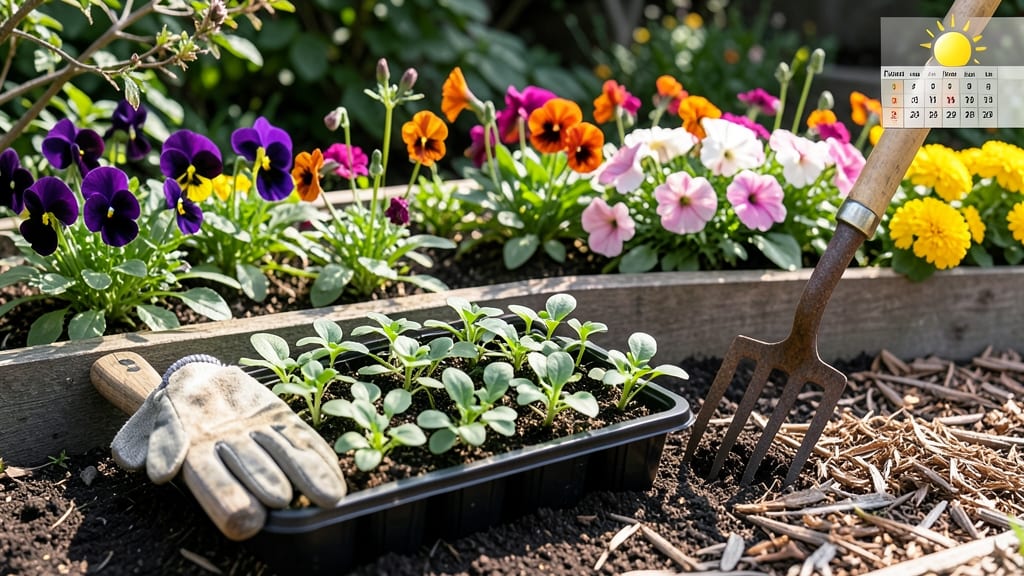
Timing your spring flower planting isn’t just about checking a calendar—it’s about unlocking nature’s hidden rhythm to grow stronger blooms and healthier roots. The right window can mean the difference between vibrant 🌸 displays and struggling seedlings, especially in Zone 6a where frost lingers until mid-April.
Most gardeners wait until after the last frost (usually April-May in your area), but did you know the moon’s phases can supercharge your success? Planting during specific lunar cycles boosts root growth and flowering—saving you time and frustration down the road.
In this guide, I’ll break down the exact dates for annuals, perennials, and bulbs, plus how to adjust for your microclimate. You’ll also learn the 5 biggest mistakes that derail spring planting (and how to avoid them).
Ready to transform your garden? Let’s dive into the science-backed secrets that’ll have your flowers thriving all season long—no guesswork required.
Best spring planting dates by flower type and US hardiness zones
Spring is the perfect time to bring your garden to life, but timing is everything. Planting flowers too early risks frost damage, while waiting too long can delay those vibrant blooms you crave.
The key lies in understanding your USDA hardiness zone, last frost date, and flower type—whether you're growing annuals, perennials, or bulbs. Let's break down the best planting windows to maximize your garden's potential.
For most regions, spring planting begins after the last frost date, typically between March and May, depending on your location. In USDA Zone 6a (like my garden), this usually falls in mid-April.
However, cooler zones (like Zone 3) may wait until late May, while warmer zones (like Zone 10) can start as early as February. Always check your local frost-free date—it’s your garden’s green light to plant!
Annual flowers like marigolds, zinnias, and petunias love warm soil and thrive when planted after the last frost. These heat-lovers can’t handle cold temperatures, so rushing them risks stunted growth.
Perennials, such as daylilies and coneflowers, are more forgiving—they can often tolerate a light frost and even benefit from early planting to establish roots before summer heat arrives.
Bulbs like tulips and daffodils are a special case. Most are planted in fall, but a few, like gladiolus and canna lilies, wait for spring.
These bulbs need soil temperatures above 60°F (15°C) to sprout successfully. If you’re unsure about your soil temperature, use a soil thermometer—it’s a game-changer for timing!
Regional adjustments are crucial. In the Southern Hemisphere (like Australia or New Zealand), spring planting happens in September-OctoberZone 5 garden might plant two weeks later than a Zone 8 garden. Always account for your microclimate—valleys stay colder longer, and urban areas can be 5-10°F warmer than rural spots.
| Flower Type | Best Planting Time | USDA Zones | Soil Temp Requirement | Notes |
|---|---|---|---|---|
| Annuals (e.g., Marigolds, Petunias) | After last frost | 3-10 | 60°F+ (15°C+) | Heat-lovers; avoid frost |
| Perennials (e.g., Daylilies, Coneflowers) | Early spring (4-6 weeks before last frost) | All zones | 40°F+ (4°C+) | Establish roots early |
| Bulbs (e.g., Gladiolus, Canna Lilies) | After soil warms to 60°F (15°C) | 7-10 | 60°F+ (15°C+) | Tropical bulbs only |
| Cool-Season Annuals (e.g., Pansies, Snapdragons) | Early spring or fall | 3-8 | 45°F+ (7°C+) | Tolerate light frost |
| Vegetative Perennials (e.g., Hostas, Ferns) | Early spring (before new growth) | All zones | 40°F+ (4°C+) | Divide in spring |
If you’re planting seeds indoors for a head start, begin 6-8 weeks before your last frost date. For example, in Zone 6a, that means starting seeds in early March. Use grow lights if your windows don’t get enough sunlight—your seedlings will thank you with stronger stems and healthier leaves!
Don’t forget to prepare your soil before planting. Amend it with compost or aged manure to improve drainage and fertility. A soil test can
Moon phase planting calendar for maximum flower growth
Aligning your spring flower planting with the moon's phases isn't just old folklore—it's a science-backed strategy to boost root development, flowering, and overall plant vitality. The moon's gravitational pull influences water movement in the soil, affecting how plants absorb nutrients and grow.
By planting during the right lunar phases, you can encourage stronger roots or more abundant blooms, depending on your goals.
For root crops and perennials, aim to plant when the moon is in its waxing (growing) phase, particularly during the root sign phases (when the moon is in Cancer, Capricorn, Taurus, or Virgo).
This phase promotes downward growth, helping your flowers establish deep, sturdy root systems. Conversely, plant leafy greens and flowering annuals during the waxing gibbous phase to encourage lush foliage and vibrant blooms.
2025 Spring Moon Phases for Flower Planting
The waxing gibbous phase, which occurs just before the full moon, is ideal for planting flowering annuals like marigolds, zinnias, and petunias. This phase enhances above-ground growth, helping your flowers produce more vibrant blooms.
For perennials and bulbs, such as peonies or tulips, the waning crescent phase (just before the new moon) is perfect for planting, as it encourages deep root penetration.
To maximize success, avoid planting during the full moon or new moon phases. The full moon's intense gravitational pull can stress plants, while the new moon's minimal pull may not provide enough energy for growth.
Instead, focus on the 7 days before and after these phases for optimal planting windows. For example, if the full moon occurs on April 11, 2025, aim to plant your flowers between April 4 and April 18 for the best results.
Pairing moon phase planting with soil temperature checks is equally important. Even if the lunar alignment is perfect, cold soil can stunt growth. Use a soil thermometer to ensure temperatures are at least 60°F (15°C) before planting.
This combination of celestial timing and environmental readiness will give your spring flowers the best possible start for a season of abundant blooms.
Pro tip: Keep a gardening journal to track which moon phases yield the healthiest plants in your specific climate. Over time, you'll refine your approach and uncover the perfect planting windows tailored to your garden's unique conditions. 🌱