
Flowers
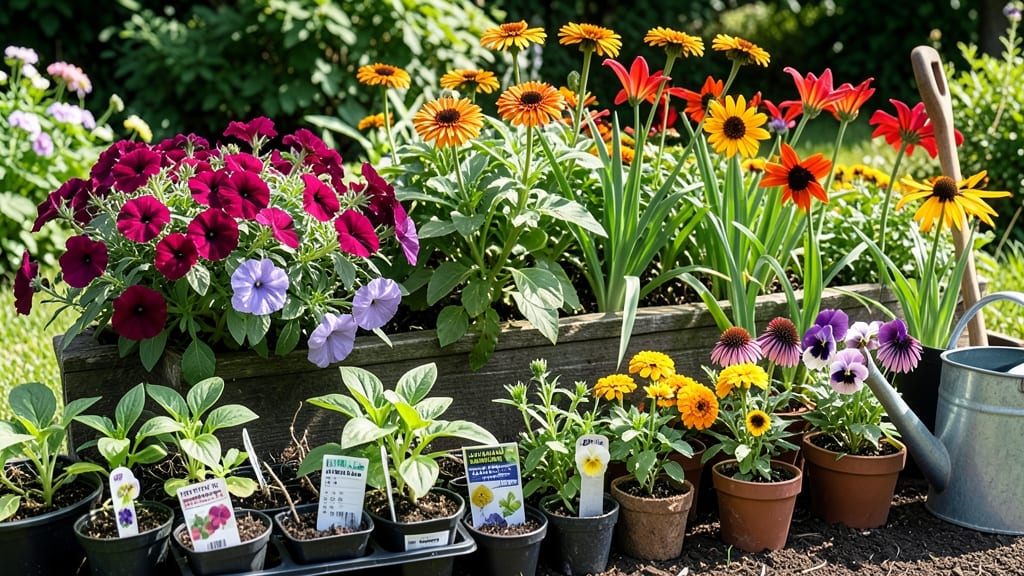
Timing your when to plant flowers in Rhode Island can mean the difference between a garden bursting with color and one that barely makes it past the first frost.
With Rhode Island’s Zone 6b climate, those late spring chills can sneak up faster than you think—especially if you’re planting annuals like petunias or marigolds too early.
I’ve learned the hard way that waiting until after the last frost date (usually around April 15) is non-negotiable for most 🌸 flowers.
But here’s the secret: perennials like coneflowers and black-eyed Susans actually thrive when planted in fall, giving them a head start for next year’s blooms.
Whether you’re a beginner or a seasoned gardener, knowing the exact windows—from late April to early June for spring plantings or August to early September for fall—will save you from wasted effort and disappointed blooms.
Let’s break down the perfect timing for every type of flower in Rhode Island’s unpredictable climate.
You’ll also discover how to stretch your planting season with smart tricks like row covers and microclimate spots, so you can enjoy vibrant 🌸 flowers from spring through fall—no matter what Mother Nature throws your way.
Rhode Island’s last frost dates by region: safe planting windows for annuals
Rhode Island’s Zone 6b climate means frost can linger well into spring, but knowing your local last frost dates is key to planting annual flowers successfully. Coastal areas like Newport often see frost 1-2 weeks earlier than inland spots like Providence, so regional timing matters.
The 30-day rule is my go-to: wait 30 days after the average last frost before planting warm-season annuals like petunias or marigolds.
For cool-season annuals (pansies, snapdragons), you can plant as early as March—they’ll handle light frosts. But warm-season varieties? Hold off until after May 10 in most of RI.
My 2024 rule of thumb: check NOAA’s Rhode Island frost alerts in April, then plant once nighttime temps stay above 50°F consistently.
Here’s the breakdown for RI’s three key regions—coastal, inland, and highland—with exact planting windows for your favorite annuals:
| Region | Avg. Last Frost | Safe Planting Window | Warm-Season Annuals | Cool-Season Annuals |
|---|---|---|---|---|
| Coastal (Newport, Narragansett) | April 15 | May 1–May 15 | Petunias, Marigolds, Zinnias | Pansies, Snapdragons, Lettuce |
| Inland (Providence, Warwick) | May 1 | May 15–May 30 | Geraniums, Sunflowers, Basil | Calendula, Arugula, Radishes |
| Highland (Gloucester, Foster) | May 10 | June 1–June 10 | Tomatoes, Peppers, Vinca | Kale, Spinach, Cilantro |
Pro tip: Stagger your plantings! Sow marigolds every 2 weeks from May to July for continuous blooms. And if you’re in a microclimate (like a south-facing slope), you can plant 2 weeks earlier than the regional average.
Always check the soil temperature—warm-season plants need soil at 60°F+ to thrive.
For container gardening, use the coastal timeline since pots warm up faster. Place containers near south-facing walls to create a mini microclimate and extend your season by 10–14 days. Just remember: black containers absorb heat—they’re great for early starts but can scorch roots in summer.
If you’re new to RI gardening, start with frost-tolerant annuals like calendula or snapdragons—they’ll handle light frosts and give you instant color. For bold blooms, petunias and zinnias are my top picks once the coast is clear.
And don’t forget: Mulch after planting to keep roots warm and retain moisture.
🌱
Perennial and bulb planting timing: when to break the ‘spring only’ rule
Most gardeners assume spring is the only time to plant perennials and bulbs, but Rhode Island’s Zone 6b climate actually rewards fall planting for many varieties. The key is understanding frost hardiness and soil conditions—both of which favor cooler months.
For example, coneflowers and black-eyed Susans establish stronger roots when planted in early fall, giving them a head start before winter dormancy.
Bulbs like daffodils and tulips also thrive when planted in October or November, as the cold period helps break dormancy. This timing ensures vibrant spring blooms without the late-spring frost risks that can damage tender shoots.
Even hardy perennials like lavender and Russian sage benefit from fall planting, as they avoid competition with summer weeds and establish deeper root systems.
Here’s why fall planting works in Rhode Island:
- ✅ Cooler soil temps reduce shock and stress on roots.
- ✅ Less competition from weeds and pests in early spring.
- ✅ Winter chilling (critical for bulbs) happens naturally.
- ✅ Earlier blooms next season compared to spring-planted varieties.
- ✅ Moisture retention is higher in fall, aiding root growth.
For spring planting, focus on early March to mid-April—but only for tender perennials like bee balm or columbine, which need time to establish before summer heat. Mulch heavily after planting to insulate roots and retain moisture, especially in Rhode Island’s variable spring rains.
A 3-inch layer of shredded leaves or straw can make all the difference in preventing soil erosion and temperature swings.
If you’re unsure about frost hardiness, use this quick rule: Perennials rated Zone 5 or higher (like hostas or daylilies) can handle fall planting with confidence. For Zone 6b borderline plants (e.g., salvia or catmintlate September to allow roots to establish before the first frost.
Always check the USDA Plant Hardiness Zone Map for your exact location, as microclimates—especially near coastal areas like Narragansett—can delay frost by 1–2 weeks.
Pro tip: Stagger your planting for extended blooms. Plant half your perennials in fall and the other half in early spring to ensure continuous color from May through October.
This strategy also minimizes the risk of disease outbreaks, as overcrowded spring plantings can stress roots in Rhode Island’s humid summers.
For bulbs, timing is everything. Daffodils and alliums should go in the ground by mid-November, while tulips and hyacinths prefer October planting. The soil should be cool (below 60°F) but not frozen—aim for 6–8 weeks before the ground freezes.
In Rhode Island, that’s typically late October to early November, depending on elevation and proximity to the coast.