
Plants
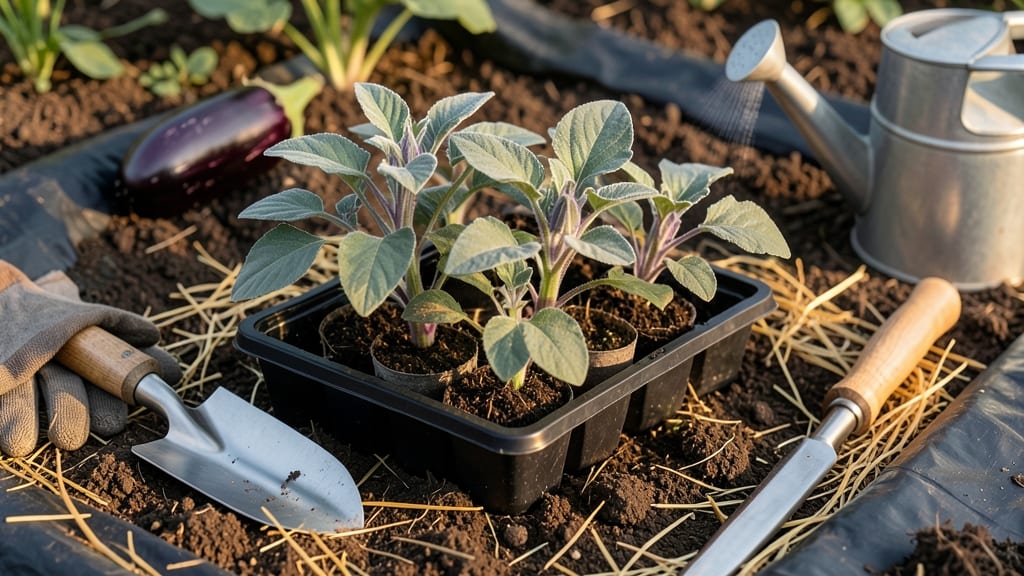
Timing your eggplant 🍆 planting in California can make or break your harvest—get it wrong, and you’re staring at stunted plants or fruit that never matures. The good news?
Unlike frost-prone states, California’s climate gives you flexibility, but coastal areas like San Diego and inland valleys near Sacramento have very different sweet spots for planting.
If you’ve ever wondered why your neighbors’ eggplants thrive while yours struggle, the answer likely lies in soil temperature and microclimates. Coastal growers can start as early as March, while inland gardeners should wait until May or June to avoid heat stress.
I’ll break down the exact windows so you can align your planting with your local conditions—no guesswork needed.
You’ll also discover how to extend your growing season with shade cloth, mulching, and variety selection tailored to California’s heat. Whether you’re a coastal gardener or inland farmer, these strategies will help you avoid common pitfalls like bolting or poor fruit set.
Let’s get your eggplants off to the best possible start.
Ready to plant with confidence? By the end of this guide, you’ll know not just when to plant, but how to optimize your schedule for maximum yields—no matter where you are in the Golden State.
California eggplant planting zones: coastal vs inland frost-free timing guide
Eggplant thrives in California’s frost-free zones, but timing varies dramatically between coastal (Zone 9-10) and inland (Zone 7-8) regions. Coastal areas like San Diego can plant 2-4 weeks earlier than inland valleys like Sacramento due to cooler ocean breezes.
Even without frost risks, soil temperature (minimum 60°F) and nighttime warmth (above 55°F) dictate your ideal window.
For coastal California, aim for March through early May—this aligns with soil warming and avoids summer heat stress. Inland growers should wait until late April to June to prevent bolting (premature flowering).
Even a 10°F difference in nighttime temps can shift your planting window by 3 weeks, so check local microclimates like urban heat islands or valley floors.
🌱
| Region | USDA Zone | Optimal Planting Window | Soil Temp Requirement | Nighttime Temp |
|---|---|---|---|---|
| Coastal (San Diego, Santa Barbara) | 9a-10 | March 15–May 1 | 60–65°F | 55–60°F |
| Central Coast (Monterey, Salinas) | 9b-10 | March 1–April 15 | 60–65°F | 50–55°F |
| Inland Valleys (Sacramento, Fresno) | 7b-8a | April 15–May 30 | 65–70°F | 60–65°F |
| Desert (Palm Springs, Imperial Valley) | 10a-11 | May 1–June 15 | 70–75°F | 65–70°F |
If you’re in Zone 9-10 coastal areas, start seeds indoors in February for transplants by March 15. Inland growers can sow seeds directly in late April once soil warms to 65°F.
Pro tip: Use a soil thermometer—eggplant seeds won’t germinate below 60°F, even in frost-free zones. For container growing, wait until nighttime temps stay above 55°F to avoid stunted growth.
🌿
For coastal regions, prioritize early-maturing varieties like ‘Black Beauty’ or ‘Ichiban’ (60–70 days to harvest) to avoid summer bolting. Inland areas can handle larger varieties like ‘Rosa Bianca’ (80+ days), but plant them before June 1 to finish harvests before fall rains.
Always check your local last-frost date (even if rare)—some inland valleys like Madera can dip to 30°F in winter.
🌡️
Microclimates matter! Urban heat islands (e.g., Los Angeles) may allow 2-week earlier planting than rural areas just 10 miles away. If your garden sits in a valley or low spot, wait 1–2 weeks longer—cold air pools there, delaying soil warming.
For high-altitude areas (e.g., Mount Shasta), treat planting like Zone 6 and use row covers for early starts.
✂️
Ready to plant
5 Critical factors that determine your eggplant planting schedule
Eggplant thrives in California’s warm climate, but timing is everything—especially when soil temperature and nighttime chill can make or break your harvest. Unlike frost-sensitive crops, eggplant needs consistent warmth to germinate and grow, but heatwaves can trigger bolting (premature flowering). Here’s what actually shifts your planting window by weeks.
First, soil temperature is non-negotiable. Eggplant seeds won’t sprout until the soil hits 60°F (15°C)—coastal areas like San Diego often hit this by mid-March, while inland valleys like Bakersfield wait until late April or May. Use a soil thermometer to confirm before planting.
Key Takeaway
Eggplant seeds need 60°F+ soil to germinate—check with a thermometer! Coastal CA hits this by March 15, inland by May 1.
Second, nighttime temperatures matter more than daytime heat. Eggplant struggles when nights dip below 55°F (13°C), which can stunt growth or cause blossom drop.
In coastal areas, this rarely happens after April 15, but inland regions like the Central Valley should wait until May 15 to avoid cold snaps.
Third, transplant shock is a silent killer. Eggplant seedlings are delicate, and moving them too early—before soil warms—leads to root stress and poor yields. If starting indoors, harden off seedlings for 7–10 days before transplanting after May 1 in most of California.
Fourth, microclimates can shift your window by weeks. Urban areas like Los Angeles (Zone 10) stay warm enough for February planting, while high desert regions like Palm Springs (Zone 9) might need to wait until April 1.
Check your local Almanac frost dates—even if frost is rare, cold air pockets can delay growth.
Finally, variety choice adjusts your schedule. Heat-tolerant varieties like ‘Ichiban’ or ‘Black Beauty’ handle inland summers better, while ‘Rosa Bianca’ (a white eggplant) thrives in coastal mildness. Match your variety to your USDA zone and local heat trends.
Pro tip: Use mulch (straw or black plastic) to warm soil faster in early spring, shaving off 2–3 weeks from your planting timeline. Just monitor soil temps to avoid overheating roots!