
Plants
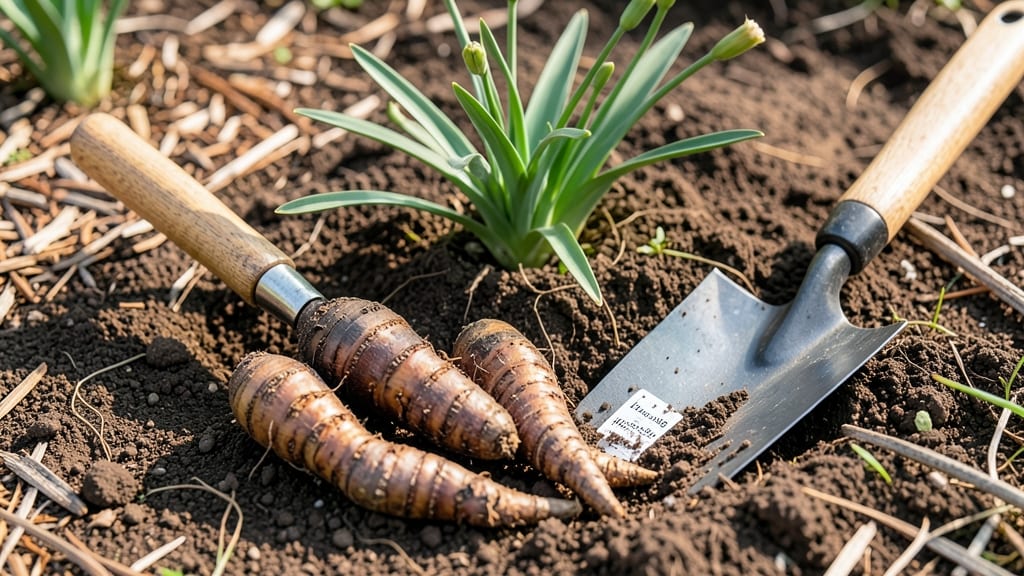
Timing is everything when it comes to planting Daylily 🌸 bulbs in Zone 5—get it wrong, and you risk frozen roots or stunted blooms. Unlike some plants that offer flexibility, Daylilies demand precision, especially in a climate where first frosts can arrive as early as mid-October.
Most gardeners swear by early spring planting after the last frost, but did you know fall planting can also work—if you time it just right? The key is understanding your Zone 5 subregion (5a vs. 5b) and soil temperatures, which should ideally be between 40-50°F for successful root establishment.
In this guide, I’ll break down the exact windows for both spring and fall planting, plus soil prep tips to ensure your Daylilies thrive. Whether you’re a beginner or a seasoned gardener, these insights will help you avoid common mistakes and maximize your blooms.
Ready to transform your garden? Let’s dive into the perfect planting strategy for Zone 5’s unpredictable climate—so you can enjoy vibrant Daylilies from mid-summer onward.
Optimal Daylily planting windows in Zone 5: spring vs fall timing guide
Daylilies in Zone 5 thrive when planted during two key windows: early spring (after the last frost) or early fall (before the ground freezes). These timings ensure your rhizomes establish strong roots before extreme temperatures hit. Let’s break down the best months and soil conditions for each approach.
Spring planting is ideal for Zone 5a gardeners (colder subregion) because it gives plants a full growing season to mature. In contrast, Zone 5b (milder) can handle fall planting with better success. Both methods require soil temperatures between 40-50°F for optimal root development.
Here’s the critical rule: Never plant daylilies when the ground is frozen or when nighttime temperatures dip below 35°F. This guarantees your rhizomes won’t suffer frost damage before they establish.
For spring planting, aim for March-April in most of Zone 5. In Zone 5a, wait until mid-April to avoid late frosts. For fall planting, September is your best bet—plant at least 6 weeks before the first frost (usually mid-October in Zone 5).
Now, let’s compare the two approaches side-by-side to help you decide which timing works best for your garden.
If you’re in a milder microclimate (like a south-facing slope), you can extend fall planting into early October. However, avoid planting after October 1st in most of Zone 5—this risks rhizomes freezing before they root.
For spring plantings, don’t rush! Wait until the soil warms to at least 50°F to prevent shock.
Pro tip: Use a soil thermometer to check temperatures before planting. Daylilies won’t thrive if planted in cold, damp soil—this leads to rot. Aim for dry, workable soil with good drainage, whether you’re planting in spring or fall.
In Zone 5a, where winters are harsher, I recommend spring planting unless you’re experienced with heavy mulching. For Zone 5b, fall planting can be just as successful—just plant early and mulch generously. Both methods yield stunning blooms if done correctly!
Remember: Daylilies are perennials, so proper timing now means years of low-maintenance color. Choose your window, prep your soil, and get those rhizomes in the ground before the next frost hits! 🌸
Optimal Daylily planting windows in Zone 5: spring vs fall timing guide
Daylilies grow from rhizomes, not bulbs, which means timing matters more than you might think. In Zone 5, the last frost date (mid-May) and first frost date (mid-October) create a tight window for planting.
Missing these can lead to stunted growth or winterkill. Let’s break down the best times to plant for maximum success.
Most gardeners in Zone 5 opt for early spring (March–April) or early fall (September–October) planting. Spring planting lets rhizomes establish roots before summer heat, while fall planting gives them time to root before winter dormancy.
Both strategies work, but your local microclimate and soil conditions will determine which is best for you.
Here’s the key rule: Plant when soil temperatures are between 40°F and 50°F. This ensures rhizomes don’t dry out in spring heat or rot in fall cold.
In colder Zone 5a areas, aim for late April or early September, while milder Zone 5b regions can extend to May or October.
| Planting Window | Best Months | Soil Temp | Zone 5a Adjustment | Zone 5b Adjustment |
|---|---|---|---|---|
| Early Spring | March–April | 40–50°F | Wait until late April | Plant by early April |
| Early Fall | September–October | 40–50°F | Plant by early September | Extend to mid-October |
Spring planting offers the advantage of longer root establishment before summer’s heat stress. Start in March if your soil thaws early, but avoid planting too soon—frozen ground can damage rhizomes. In fall, September is ideal for Zone 5, as it allows roots to grow before winter dormancy begins.
For container-grown daylilies, you have more flexibility. You can plant them up to 6 weeks before the first frost in fall, as containers insulate rhizomes better than in-ground beds. Just move them to a sheltered spot or indoors if temperatures drop below 20°F.
Pro tip: Use a soil thermometer to check temperatures before planting. If soil is still below 40°F, wait a week or two. Mulch heavily after planting to regulate soil temps and retain moisture—this is especially critical in Zone 5’s unpredictable fall weather.
Remember, daylilies are perennials, so getting the timing right now means fewer headaches (and more blooms!) for years to come. Once established, they’ll reward you with vibrant flowers from mid-summer to early fall—just don’t skip the timing.