
Plants
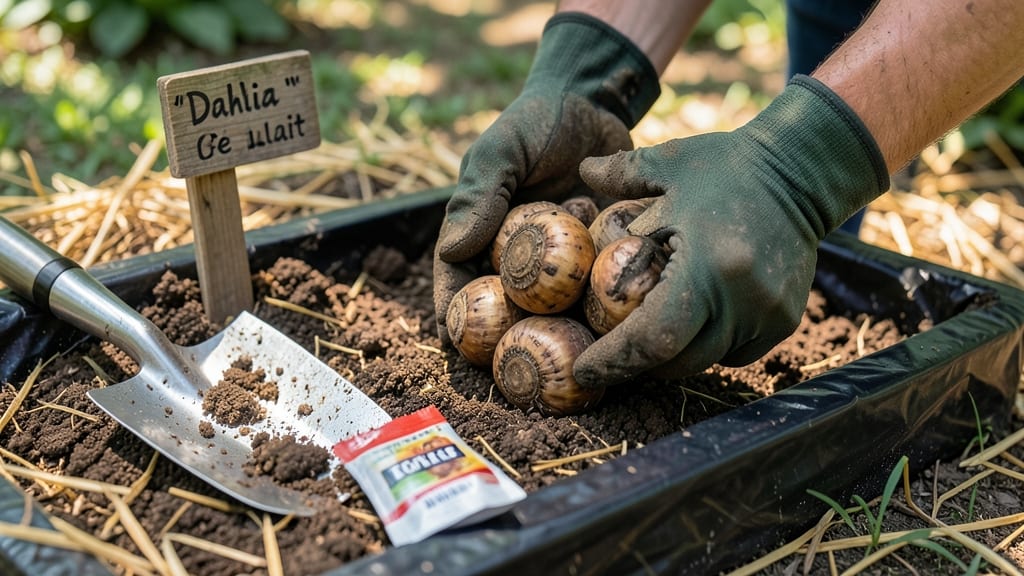
Florida dahlias planting calendar: coastal vs inland heat zones explained
Florida’s unique microclimates mean your dahlia planting window could differ by 6 weeks depending on whether you’re near the coast or inland. Coastal areas (like Miami) enjoy warmer winters, while inland zones (like Orlando) face cooler nights—both affect when to plant dahlia tubers or potted starts.
Let’s break it down by heat zone and planting method.
For coastal Florida (zones 8B-9A), the ideal planting window starts in late January for tubers and February for potted plants. Inland areas (zones 9A-10A) can wait until mid-February for tubers and March for potted starts.
The key is soil temperature—wait until it hits 60°F (15°C) at 6 inches deep.
Why the difference? Coastal zones rarely see frost, but humidity and heat stress can rot tubers if planted too early. Inland areas avoid late-winter cold snaps, but soil warms slower. Both regions benefit from chitting tubers (pre-sprouting indoors) 4-6 weeks before planting to jumpstart growth.
Here’s your month-by-month breakdown for both zones, including soil prep tips and hurricane season considerations:
| Zone | Planting Window | Soil Temp Threshold | Best Method | Notes |
|---|---|---|---|---|
| Coastal (8B-9A) | Late Jan–Early Feb | 60°F (15°C) | Tubers (chitted) | High humidity—use raised beds for drainage |
| Coastal (8B-9A) | Feb–March | 65°F (18°C) | Potted starts | Avoid June planting—hurricane risk |
| Inland (9A-10A) | Mid-Feb–March | 60°F (15°C) | Tubers (chitted) | Soil warms slower—test with thermometer |
| Inland (9A-10A) | March–April | 65°F (18°C) | Potted starts | Late starts bloom in fall—ideal for winter gardens |
| Both Zones | August–September | N/A (potted starts) | Potted starts | Fall blooms escape summer heat; mulch heavily |
For coastal gardeners, August planting is a hidden gem—it avoids summer heat stress and delivers stunning fall blooms. Use black plastic mulch to warm soil faster in early spring plantings, and stake tall varieties (like ‘Café au Lait’) to prevent wind damage near the coast.
Inland areas can push March plantings for larger tubers, but avoid planting after June—the humidity spike increases powdery mildew risk. If you’re in North Florida (zone 8B), protect tubers with frost cloth until mid-February to ensure healthy sprouts.
Pro tip: Mark your calendar for Florida’s average last frost dates—January 15 in North FL and December 15 in South FL. Planting 2 weeks after these dates gives tubers time to establish roots before summer’s brutal heat sets in.
Need a quick reference? Bookmark this: Coastal = late Jan, Inland = mid-Feb, and always chit tubers for a head start. Your dahlias will thank you with bold blooms all season!
5 Critical factors that determine dahlias’ success in Florida’s climate
Florida’s subtropical climate isn’t just about planting dates—it’s about mastering the hidden factors that make or break dahlia success. The humidity alone can turn your garden into a petri dish for fungal diseases, while sandy soil drains too quickly, leaving roots thirsty.
Let’s break down the 5 critical factors that separate thriving dahlias from sad, wilted failures.
First, soil moisture balance is your #1 challenge. Dahlias hate soggy roots but need consistent hydration—especially in Florida’s summer heat. The key? Mulch heavily (3-4 inches of organic mulch) to retain moisture while preventing fungal rot.
I’ve seen dahlias in coastal zones rot within weeks because gardeners overcompensated by watering daily—don’t make that mistake.
Next, afternoon sun intensity can scorch tender new growth. While dahlias love full sun, Florida’s 90°F+ afternoons demand shade cloth (30-50%) during peak heat. I use lightweight shade fabric over my tall varieties from 12 PM to 4 PM—it’s the difference between crisp petals and crispy leaves.
Don’t overlook tuber chitting, a pre-planting trick that gives your tubers a 4-6 week head start. Place tubers in potting mix with the eye (growth point) up, and keep them in bright indirect light at 60-65°F.
This mimics Florida’s spring warming and prevents the shock of sudden heat after planting. I chit mine in late January for coastal zones and early March inland.
Humidity management is where most Florida gardeners stumble. The 90%+ humidity in coastal areas creates the perfect storm for powdery mildew and botrytis. My secret? Airflow—space plants 18-24 inches apart and use fan circulation on calm days.
I also spray leaves with neem oil every 2 weeks as a preventative.
Finally, planting depth matters more than you’d think. In Florida’s sandy soil, tubers need extra depth (6 inches) to anchor roots and stay cool. But in heavy clay zones, shallow planting (4 inches) prevents rot.
Always adjust based on your soil type—this one tweak saved my ‘Café au Lait’ dahlias last summer.
Master these 5 factors, and your dahlias will reward you with bold blooms from June through November. Skip them, and you’ll be left with wilting stems and empty flowerbeds. 🌸