
Plants
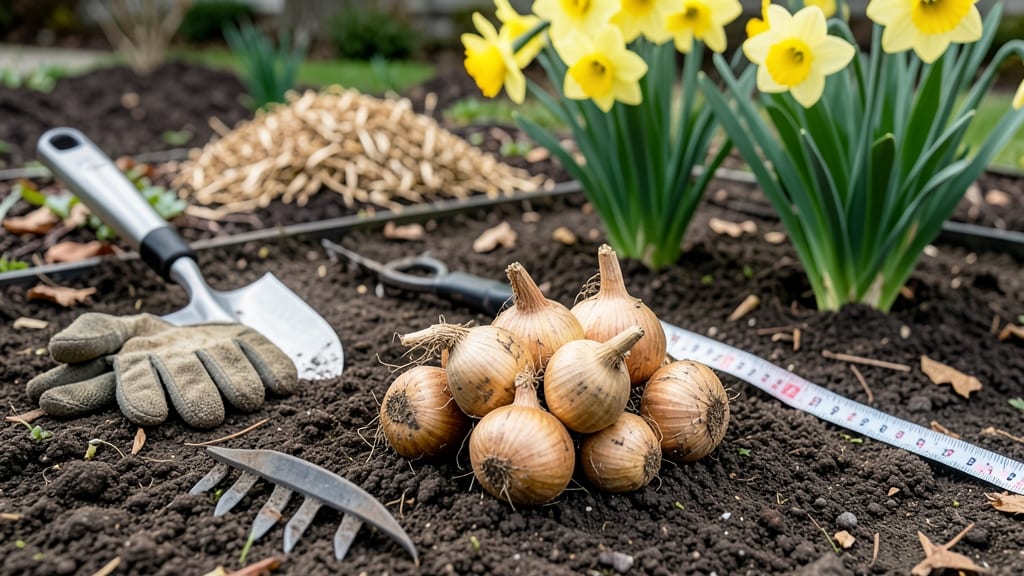
Planting daffodils in Washington State isn’t just about throwing bulbs into the ground—it’s about timing them perfectly to survive our unpredictable winters and bloom before the frost returns.
The ideal window is fall, but whether you’re in Seattle’s mild coastal zone or Spokane’s colder inland climate, getting it right means the difference between vibrant spring blooms and wasted bulbs.
Most gardeners in Washington’s 6b-9a zones plant daffodils between October and November, but the exact timing depends on your local chill hours and frost dates. Too early, and your bulbs might rot; too late, and they won’t establish before winter.
I’ll break down how to match your region’s microclimate to the perfect planting schedule—so you can enjoy those cheerful 🌼 faces popping up just as the snow melts.
Here’s the game-changer: Western Washington’s longer frost-free season gives you a slightly extended window, while Eastern WA’s earlier freezes demand quicker action. We’ll also cover how to protect early bloomers from late frosts, so you’re not left with brown, frost-nipped flowers when spring finally arrives.
Ready to turn your garden into a springtime daffodil parade? Let’s dive into the region-specific strategies that’ll have your bulbs thriving—and your neighbors asking for your secrets.
Washington State planting zones: chill-hour breakdown for daffodils
Washington State’s diverse climates—from the mild coastal regions of Seattle to the cold mountain valleys of the Cascades—create unique challenges for daffodil planting. Unlike many bulbs, daffodils thrive when they experience a specific range of chill hours (temperatures between 32°F and 45°F).
In Washington, these chill hours vary dramatically, from 300 hours in Zone 9 (like parts of the Columbia Basin) to 1,200 hours in Zone 6b (eastern WA). Planting too early or too late can result in weak blooms or no flowers at all.
Daffodils need 6-8 weeks of cold dormancy before spring growth. In Western WA (Zones 7b-9a), where winters are wet but mild, daffodils often need fewer chill hours, while Eastern WA (Zones 5b-7a) requires more extended cold exposure.
The key is planting bulbs 4-6 weeks before the ground freezes—this ensures they’ve established roots but haven’t sprouted prematurely. For example, in Seattle (Zone 8a), aim for mid-October planting, while Spokane (Zone 6b) gardeners should plant by late September.
Here’s how Washington’s USDA zones and chill-hour requirements translate to your planting schedule:
| Region | USDA Zone | Chill Hours Needed | Ideal Planting Month | Key Notes |
|---|---|---|---|---|
| Western WA (Seattle, Portland) | 7b-9a | 300-600 hours | Mid-October to early November | Mild winters; prioritize well-draining soil to prevent rot. |
| Eastern WA (Spokane, Wenatchee) | 5b-7a | 900-1,200 hours | Late September to mid-October | Colder winters; plant earlier to avoid frost heave. |
| Mountain Zones (Leavenworth, Snoqualmie) | 5a-6b | 1,000-1,200 hours | Late August to early September | Short growing season; use early-blooming varieties. |
| Columbia Basin (Yakima, Tri-Cities) | 7a-8a | 600-900 hours | Early October to November | Hot summers; mulch heavily to retain moisture. |
One common mistake is assuming that cooler temperatures alone are enough—daffodils also need well-draining soil to prevent bulb rot during Washington’s rainy winters. In Zone 9 areas like Vancouver, where winters are almost frost-free, choose low-chill varieties like ‘Tête-à-Tête’ or ‘Carlton.’
Meanwhile, gardeners in Zone 6b (like Pullman) should opt for higher-chill varieties like ‘Mount Hood’ or ‘Ice Follies’ to ensure robust blooms.
Pro tip: Use a soil thermometer to monitor ground temperatures. Daffodils should be planted when soil temps consistently drop below 60°F—this signals the start of their dormancy period.
In Western WA, this typically happens in late September, while Eastern WA sees these temps as early as mid-August in higher elevations. Planting too early in warm soil can cause premature sprouting, which weakens the bulb.
Washington’s microclimates add another layer of complexity. For example, urban heat islands in Seattle can delay frost, while coastal areas like Bellingham experience more consistent chill hours.
To adapt, observe your local last frost dates (e.g., November 15 in Seattle vs. October 30 in Spokane) and adjust your planting window accordingly. A general rule: plant daffodils 6-8 weeks before the first hard frost to give roots time to establish without exposing the bulb to freezing temperatures.
If you’re unsure about your chill hours, check your local Cooperative Extension Service data or use a chill-hour calculator tailored to Washington. Many nurseries in the state also provide region-specific planting guides—a great resource for beginners. Remember, daffodils are perennial, so getting the timing right
Best months to plant daffodils by Washington region (with frost-proofing tips)
Washington State’s diverse climate means Seattle’s mild winters differ dramatically from Spokane’s harsh freezes. In Western WA (Zones 7b-9a), like Seattle and Portland, plant daffodils between mid-October and November 15—after soil temps drop below 60°F but before hard frost.
For Eastern WA (Zones 6b-7a), like Spokane and Wenatchee, aim for late September to mid-October to beat the earlier freezes.
Mountain regions (e.g., Mount Rainier) have unique microclimates—plant in early October when nights consistently dip below 50°F. The key is planting 4-6 weeks before your area’s first hard frost, ensuring bulbs establish roots before winter dormancy. Check your local USDA zone and chill hours for precision.
⚠️ Frost-proofing tip: In areas with late spring frosts (like Eastern WA), choose late-blooming varieties (e.g., ‘Mount Hood’) or use frost cloth to protect emerging stems in March-April. A 2-3 inch mulch layer of straw or leaves also insulates bulbs during winter.
- 1. Western WA (Sept 15 - Nov 15) – Plant after first 50°F nights (Seattle: Oct 15; Portland: Oct 20).
- 2. Eastern WA (Sept 1 - Oct 15) – Plant 6+ weeks before frost (Spokane: Sept 25; Wenatchee: Oct 1).
- 3. Mountain Zones (Early Oct) – Plant when soil cools to 60°F (e.g., Mount Rainier: Oct 5).
- 4. Frost-Proofing (Mar-Apr) – Cover early blooms with frost cloth if temps dip below 32°F.
- 5. Mulch (Nov) – Add 2-3" straw after planting to insulate bulbs.
For container gardening, plant daffodils in October-November regardless of region—potted bulbs need consistent moisture and drainage to prevent rot. Use well-draining pots and place them in sheltered spots (e.g., against a south-facing wall) to extend the growing season.
In Zone 9a (e.g., Vancouver), you can even plant as late as December, but aim for early fall for best results.
Pro tip: Test your soil before planting—daffodils thrive in slightly acidic to neutral soil (pH 6.0-7.0). Amend heavy clay with compost or sand, and avoid soggy spots.
Plant bulbs 6" deep and 6" apart for optimal airflow and bloom production. In urban areas with compacted soil, consider raised beds for better drainage.
Remember, late planting (after November 15) risks bulbs not establishing roots before winter, while early planting (before September 1) may cause premature sprouting. Adjust your schedule based on your local frost dates—check resources like the Washington State University Extension for your county’s specifics.
With the right timing, your daffodils will reward you with bold, frost-resistant blooms come spring! 🌷