
Plants
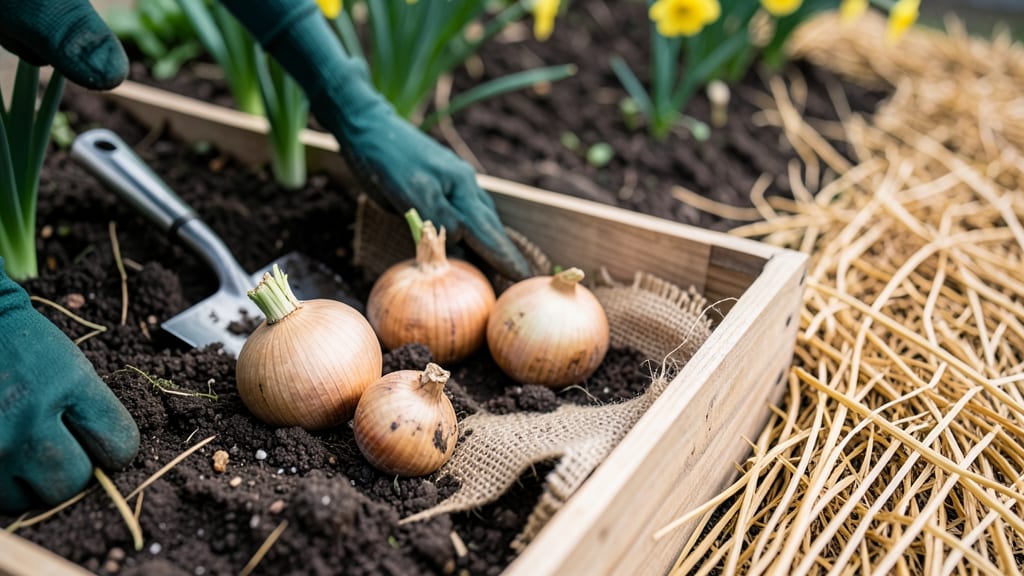
Planting daffodils in Tennessee at the wrong time can mean the difference between a show-stopping spring display and wasted effort.
These cheerful 🌼 bloomers thrive when planted 6-8 weeks before your first hard frost, but Tennessee’s unique Zone 6B-7A climate demands precision—too early, and bulbs rot; too late, and they won’t bloom.
Most gardeners in Tennessee know October and November are the sweet spot, but did you know chill-hour requirements vary by daffodil type? Low-chill varieties like ‘Tête-à-Tête’ need just 300-400 hours below 45°F, while high-chill types like ‘Ice Follies’ demand 600+ hours.
Matching your bulbs to your microclimate is the key to avoiding disappointment.
Let’s break down the exact planting windows for your region, soil prep secrets to protect bulbs from Tennessee’s unpredictable freezes, and which daffodil varieties perform best in Nashville’s heat versus Chattanooga’s humidity. You’ll learn how to time it perfectly for vibrant blooms in March and April—no guesswork required.
Whether you’re a first-time gardener or a seasoned pro, these strategies will ensure your daffodils emerge strong and beautiful every spring. Ready to transform your Tennessee garden? Let’s get started.
Optimal planting windows for Tennessee daffodils by chill-hour requirements
Tennessee’s Zone 6B-7A climate creates a unique challenge for daffodil growers. Unlike northern states, we don’t get the deep, prolonged freeze that many chill-hour dependent bulbs crave. Instead, we need to match low-chill varieties with our mild winters and warm springs for reliable blooms.
The key is planting 6-8 weeks before the first hard frost—typically between mid-October and early November across most of Tennessee. This timing ensures bulbs establish roots before winter while avoiding rot from soggy soil in late fall. For high-chill varieties, we’ll need to adjust our approach entirely.
Here’s how Tennessee’s microclimates affect planting windows:
| Region | Chill-Hour Needs | Ideal Planting Window | Notes |
|---|---|---|---|
| Nashville (Zone 6B) | 300-500 hours | Mid-October - Early November | Early frost risk; use mulch |
| Chattanooga (Zone 7A) | 200-400 hours | Late October - Mid-November | Warmer winters; extend window |
| East TN (Zone 6A-7A) | 400-600 hours | Late September - Early October | Higher elevation; plant earlier |
| West TN (Zone 7B) | 100-300 hours | November - Early December | Mildest winters; late planting OK |
For low-chill varieties like ‘Tête-à-Tête’ or ‘Ice Follies’, our Zone 7A areas can even plant as late as December—though spring blooms may be delayed. Meanwhile, high-chill varieties like ‘Gladiator’ or ‘Peeping Tom’ need earlier planting (late September) in cooler Zone 6B areas.
Spring planting is possible in Tennessee, but it’s risky. Bulbs planted in February-March need consistent moisture and shade protection until roots establish. I’ve had success with container-grown daffodils planted in spring, but they often bloom 2-3 weeks later than fall-planted bulbs.
Pro tip: Use a soil thermometer to confirm 60°F soil temps before planting. In Tennessee, this usually happens by mid-October in most regions, but mountain areas may need to wait until late October. The goal is to give bulbs 4-6 weeks of root growth before winter sets in.
Remember, daffodils are hardy to Zone 3, but their blooming success depends on matching chill hours with our Tennessee climate. Plant too early, and bulbs may rot in wet soil; too late, and they won’t bloom until summer.
The 6-8 week window before frost is your sweet spot.
For container gardens, the rules change slightly. Potted daffodils can be planted 2-3 weeks later than in-ground bulbs since containers warm up faster in spring. Just ensure pots have drainage holes to prevent root rot during Tennessee’s wet winters.
One final Tennessee-specific tip: If you’re in an area with heavy clay soil (common in Middle TN), amend with compost or sand to improve drainage. Poor drainage is the #1 reason daffodils fail in our state’s high-rainfall zones.
How to adjust planting for Tennessee’s early freezes and late springs
Tennessee’s weather can be as unpredictable as a toddler’s mood—one day it’s warm, the next it’s a sudden freeze. This volatility makes protecting your daffodil bulbs critical, especially in areas like Nashville (Zone 6B) where temperatures can drop below 20°F overnight.
The key is preparing your soil and mulching strategy before the first frost hits.
For most of Tennessee, the average first frost falls between October 20 and November 15, but mountain regions like Great Smoky Mountains (Zone 6A) can freeze as early as October 1.
Planting 6-8 weeks before your local frost date ensures bulbs establish roots before winter sets in. In Chattanooga’s Zone 7A, this often means late October to early November.
Here’s the critical step most Tennessee gardeners miss: amending soil with compost before planting. Daffodils need well-draining soil to prevent rot, especially in heavy clay soils common in Middle Tennessee. Mix in 2-3 inches of compost or aged manure to improve drainage and provide nutrients for spring growth.
FROST ALERT: Don’t Plant Too Early!
Planting daffodil bulbs in September (even in Zone 7A) risks rot from wet soil. Bulbs need cooler temps (50-60°F) to root properly. If you’re eager to start, pre-chill bulbs in the fridge for 4-6 weeks before planting in late September.
Pro Tip: Use a soil thermometer—plant when soil temps are below 60°F.
Once planted, mulch heavily with straw or shredded leaves (3-4 inches) to insulate bulbs from freeze-thaw cycles. In Northeast Tennessee, where winters are colder, add an extra layer of pine straw mulch for added protection. Remove mulch in early spring (February) to prevent soggy soil from prolonged rain.
For gardeners in late-spring regions like Memphis (Zone 7B), where winters are milder, you can plant daffodils as late as December. However, these bulbs may need extra chill hours—consider choosing low-chill varieties like ‘Minnow’ or ‘Tête-à-Tête’ for reliable blooms.
Finally, mark your planting spots with biodegradable flags to avoid disturbing bulbs in spring. Tennessee’s unpredictable weather means your daffodils could emerge anywhere from late February to April—stay vigilant and protect new shoots from late frosts with frost cloth if needed.